

Also known as pak choi or Chinese cabbage, bok choy is a nutritious vegetable that deserves a spot in your diet. It belongs to the same family as broccoli, cauliflower, and brussel sprouts – the brassica family in particular.
With its crisp texture, bok choy is not only versatile in the kitchen but also packed with several vitamins, minerals, and health-boosting compounds.
In this guide, you’ll learn about 11 amazing health benefits of bok choy, how to incorporate it into your diet, and potential side effects.
Bok choy nutrition facts
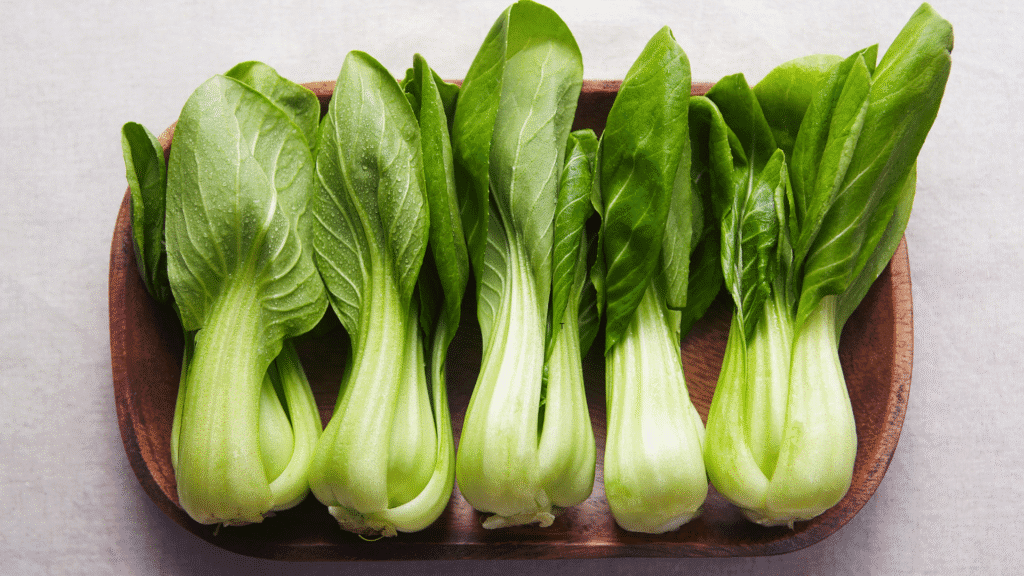
One cup of shredded bok choy contains only about 9 calories, making it an excellent addition to a weight management diet. Here’s the detailed nutritional profile for 1 cup (approximately 70 grams) of shredded raw bok choy:
- Calories: 9
- Protein: 1 gram
- Total Fat: 0 grams
- Total Carbohydrates: 1.5 grams
- Dietary Fiber: 0.7 grams
- Sugars: Less than 1 gram
- Vitamin A: 156 micrograms (17% of the DV)
- Vitamin C: 31.5 milligrams (35% of the DV)
- Vitamin K: 31.8 micrograms (27% of the DV)
- Calcium: 74 milligrams (17% of the DV)
- Potassium: 176 milligrams (4% of DV)
- Iron: 0.56 milligrams (3% of DV)
- Folate: 46 micrograms (12% of the DV)
Health benefits of bok choy
The rich nutritional profile of bok choy makes it an excellent choice for anyone looking to enhance their diet with wholesome, nutrient-dense foods. Here are some valued benefits of eating bok choy:
May reduce cancer risk
One of the key benefits of bok choy is that it contains powerful antioxidants and sulfur-based compounds, such as isothiocyanates, which have been shown to help prevent cancer.
These compounds help eliminate free radicals and protect cells from DNA damage, reducing the risk of cancers such as breast, prostate, and lung cancer.
Aids digestion
Another benefit of bok choy can be linked to its fiber content. Bok choy is a good source of dietary fiber, which is essential for healthy digestion. Fiber helps maintain regular bowel movements, preventing constipation and diarrhea.
Consuming fiber-rich foods like bok choy can also aid in weight management and reduce the risk of developing digestive disorders.
Supports healthy bones
Bok choy is an excellent source of calcium, vitamin K, and other minerals like magnesium and phosphorus, which are crucial for maintaining strong bones and preventing osteoporosis.
Vitamin K, in particular, helps improve bone density and reduces the risk of fractures.
- Also read: Does Bone Broth Help With Osteoporosis?
Good for your skin
Another benefit of bok choy is collagen production, brought about by its vitamin C content.
Collagen is essential for maintaining healthy skin, and regular bok choy intake can help reduce aging signs like wrinkles and fine lines while protecting the skin from damage caused by free radicals.
Faster wound healing
As stated in the nutrition facts above, bok choy is an excellent source of Vitamin K, an essential vitamin for blood clotting.
By incorporating bok choy into a post-surgery diet, your body can repair itself more quickly, supporting tissue regeneration and reducing excessive bleeding.
Good for your heart
The high fiber content, along with vitamins and minerals like potassium and magnesium, makes bok choy beneficial for heart health.
It helps lower blood pressure, reduce cholesterol levels, and prevent the accumulation of homocysteine, a compound that can damage blood vessels and increase heart disease risk.
Supports vision
The high levels of vitamin A and beta-carotene in bok choy are essential for maintaining good vision. These nutrients protect against age-related macular degeneration and improve overall eye health.
Boosts your immune system
Rich in vitamin C, bok choy enhances the immune system by promoting white blood cell production. This helps the body fend off infections and diseaseswhile acting as an antioxidant to protect cells from damage.
Anti-inflammatory effects
The polyphenols and vitamin K in bok choy help reduce inflammation, the root of many chronic diseases. These anti-inflammatory properties can alleviate conditions like arthritis and promote overall health.
May help prevent anemia
The iron and folate in bok choy are essential for producing red blood cells and preventing anemia. Folate enhances iron absorption, thus maintaining healthy hemoglobin levels and adequate oxygen transport throughout the body.
Supports healthy pregnancy
Folate is a vital nutrient during pregnancy, and bok choy is a good source of it. Adequate folate intake helps prevent birth defects in developing fetuses and supports overall maternal health.
- Also read: Salami for Pregnant Women: Is It Safe?
How to incorporate bok choy into your diet
Incorporating bok choy into your diet can be as simple as adding it to salads, stir-fries, soups, or even roasting it as a side dish. Here’s how:
Stir-fries
Stir-frying is one of the most popular ways to prepare bok choy. Simply sauté it with garlic, ginger, and a splash of soy sauce. For added protein, you can include tofu, chicken, or shrimp.
Soups and broths
Add bok choy to soups and broths for extra flavor and nutrition. It works particularly well in miso soup, wonton soup, and ramen. Simply chop and add it in the last few minutes of cooking to ensure it remains tender-crisp.
Salads
Bok choy can be eaten raw, making it a great addition to salads. Thinly slice the leaves and stalks and mix them with other fresh vegetables like cherry tomatoes and cucumbers. Add a tangy vinaigrette or a sesame-based dressing for extra flavor.
Noodle and rice bowls
The crunchy texture of bok choy pairs well with soft noodles and rice, providing a delightful contrast. Toss it in with a flavorful sauce, along with other vegetables and protein, for a complete meal.
Grilled or roasted
Grilling or roasting bok choy brings out a unique, caramelized flavor. Brush the halved bok choy with olive oil, season it lightly, and grill or roast until tender. This method adds depth to its taste and makes a great side dish.
Smoothies
For a nutrient-packed smoothie, add a handful of baby bok choy leaves to your blend. It pairs well with fruits like apples, pears, and pineapples, and you won’t even notice its taste amidst the sweetness of the fruits.
Pickled bok choy
Pickling bok choy is another unique way to enjoy this vegetable. The tangy, slightly spicy flavor of pickled bok choy makes a great accompaniment to meats and sandwiches or can be enjoyed on its own as a snack.
- Also read: 6 Reasons For Craving Pickles.
Side effects and precautions
While the benefits of bok choy are plentiful, there are certain side effects to be mindful of, particularly when consumed in large amounts:
Thyroid interference
Bok choy contains myrosinase, an enzyme that can interfere with iodine absorption, potentially leading to hypothyroidism. It is therefore advisable to eat bok choy in moderation, especially if consuming it raw. However, cooking bok choy deactivates myrosinase, reducing this risk.
Allergic reactions
Although uncommon, some individuals may experience allergic reactions to bok choy. Symptoms can include itching, swelling, and difficulty breathing.
If you have known allergies to other cruciferous vegetables, it’s best to introduce bok choy into your diet gradually and monitor for any adverse reactions
Interaction with blood thinners
Bok choy is high in vitamin K, which aids blood clotting. If you’re on blood-thinning medications like warfarin, it’s important to consult with your doctor before consuming bok choy. This is because a sudden increase in vitamin K intake can interfere with the medication’s effectiveness.
Digestive issues
Eating large amounts of bok choy, particularly raw, can cause bloating and gas due to its high fiber content. It’s best to introduce high-fiber foods gradually and ensure proper hydration to help mitigate these effects.
Also read: Does Dragon Fruit Make You Poop?
Wrapping up
Bok choy is a low-calorie vegetable packed with many essential nutrients. If you’re looking to improve heart health, support your immune system, or aid digestion, bok choy is a choice worth considering.
Beyond its health benefits, bok choy is incredibly versatile; it can be eaten raw in salads, added to soups, stir-fried with other vegetables, or even roasted as a side dish. Its mild flavor complements a wide range of ingredients, making it an easy addition to various recipes.
