

Mustard oil is embraced in many traditional diets like sarson da saag, but regulatory concerns in some regions have led to restrictions on its use, leading many to ask if mustard oil is edible.
In this article, we’ll dive into the facts about mustard oil’s edibility, backed by science and expert insights. You’ll learn about its nutritional makeup, potential health advantages when used in cooking, any associated risks, and practical tips for incorporating it safely.
By the end, you’ll have a clear picture to decide if it fits your dietary needs. Let’s get into it!
What Is Mustard Oil?
Mustard oil is a golden-yellow oil with a sharp, nutty taste. It comes from the seeds of the mustard plant, specifically varieties like Brassica juncea or Brassica nigra. It is extracted by cold-pressing the seeds to retain natural flavors and nutrients, though some refined versions use heat or chemicals for higher yield.
It’s important to note that mustard oil is different from mustard essential oil, which is steam-distilled and used mainly as a flavoring agent rather than a base oil. The oil’s high smoke point, around 480°F, sets it apart from many alternatives, allowing it to handle frying without breaking down quickly.
Is Mustard Oil Edible?
The straightforward answer to “is mustard oil edible” depends on where you live and the type you are considering. In countries like India, Bangladesh, and Pakistan, pure mustard oil is widely regarded as safe for cooking and is a dietary mainstay, regulated by bodies like the Food Safety and Standards Authority of India (FSSAI). In these regions, it is routinely used for frying, sautéing, and tempering spices, with a long history of daily consumption.
In contrast, in countries such as the United States and parts of Europe, mustard oil is often labeled “for external use only.” This is largely due to concerns around erucic acid, a naturally occurring fatty acid present in traditional mustard oil. Regulatory agencies like the FDA restrict its sale as a cooking oil, not because of immediate toxicity, but due to precautionary standards based on older animal studies.
What this means in practical terms is that mustard oil is edible when it meets local food safety standards and is traditionally processed. Cold-pressed mustard oil sold for culinary use in South Asia is intended for cooking, while refined or restricted versions in Western markets may not be approved for the same purpose.
Nutritional Profile of Mustard Oil
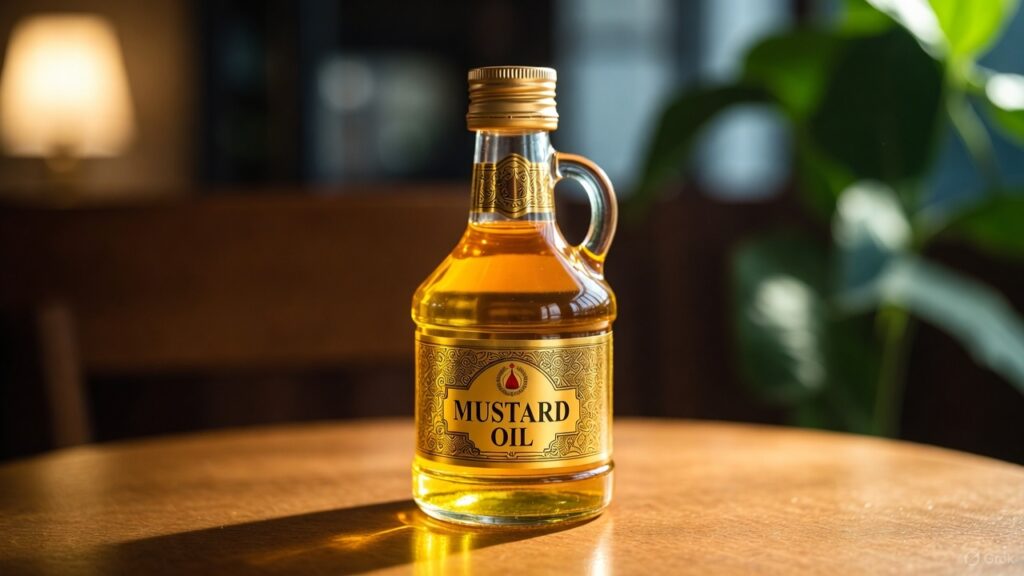
Mustard oil has a distinctive nutritional makeup that separates it from many refined vegetable oils. It contains a mix of monounsaturated fats, polyunsaturated fats, and a small amount of saturated fat.
Below is a simplified nutritional overview per tablespoon of mustard oil.
| Nutrient | Amount |
| Calories | 120 |
| Total Fat | 14g |
| Saturated Fat | 2g |
| Monounsaturated Fat | 8g |
| Polyunsaturated Fat | 4g |
| Vitamin E | 3.5mg |
| Omega-3 (ALA) | 0.8g |
Health Benefits of Using Mustard Oil for Cooking
When used appropriately, mustard oil may offer several health-related benefits. Traditional diets that include mustard oil often rely on it as a primary fat source rather than an occasional addition.
Research and traditional use suggest the following benefits:
- Supports heart health when consumed in moderation due to high monounsaturated fat content.
- Contains omega-3 fatty acids that may help reduce inflammation.
- Exhibits antibacterial and antifungal properties.
- May aid digestion by stimulating digestive juices.
It is important to emphasize moderation. Like all fats, mustard oil is calorie-dense, and excessive intake can offset its potential benefits. Used as part of a balanced diet, it can contribute positively rather than act as a standalone health solution.
Potential Risks and Side Effects
Despite benefits, risks exist, primarily from high erucic acid in unregulated oils, potentially leading to fat buildup in the heart based on animal research. This underpins why mustard oil’s edibility remains debated in restricted regions.
Allergic reactions are possible, as mustard is a known allergen, causing rashes or digestive issues. Overheating can produce irritants, and excessive use might upset the stomach due to pungency.
Those with thyroid concerns should be cautious, as goitrogens in raw seeds could interfere if consumed in large quantities. Always opt for certified edible grades.
How To Use Mustard Oil Safely For Cooking
Before introducing mustard oil into your cooking, it helps to understand proper usage. The oil has a low tolerance for raw consumption due to its pungency, but it performs well when heated.
Heating And Smoking Mustard Oil
Mustard oil is traditionally heated until it reaches its smoking point, then allowed to cool slightly before cooking. This process reduces its sharpness and enhances its nutty flavor.
Practical tips for safe use include:
- Heat the oil until it just begins to smoke, then lower the flame.
- Use it for sautéing, stir-frying, and tempering spices.
- Avoid using it as a salad dressing unless specifically labeled edible and refined.
This method is common in Eastern Indian and Bangladeshi cooking and helps make the oil more palatable.
Comparing Mustard Oil to Other Cooking Oils
Comparing mustard oil with common cooking oils helps put its role into perspective.
See this comparison table for 1 tablespoon servings:
| Oil Type | Smoke Point (°F) | Best Uses |
| Mustard Oil | 480 | Stir-fries, Curries |
| Olive Oil | 375 | Light sauteing |
| Coconut Oil | 350 | Baking and Frying |
| Sunflower Oil | 440 | Deep frying |
Mustard oil stands out for flavor intensity and traditional cooking applications rather than versatility. It works best when paired with bold spices and robust dishes.
Conclusion
Mustard oil stands out as a flavorful option with potential benefits like supporting heart health through its fatty acids and offering antimicrobial effects in cooking. However, its edibility hinges on regional regulations and personal health factors, so weighing the risks of erucic acid is essential.
Consult a nutritionist to tailor it to your needs, ensuring it enhances rather than complicates your wellness routine.
