
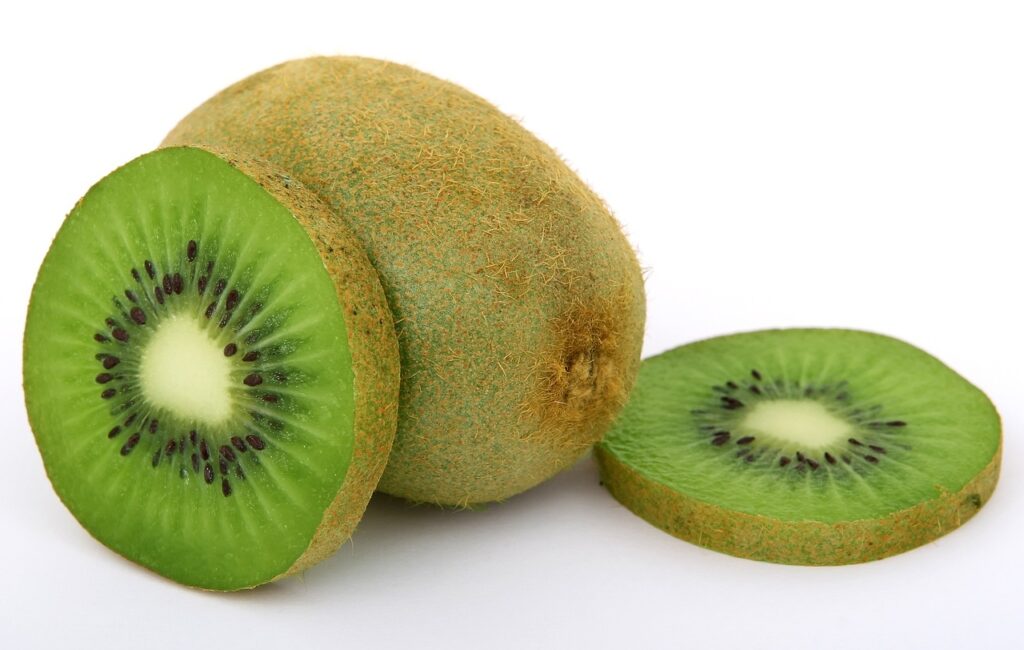
You’re probably aware of the health benefits of the kiwi fruit. What about its fuzzy brown skin? Can you eat kiwi skin? Surprisingly, the skin of a kiwi is not only edible but also packed with nutrients.
In this article, I share the advantages of eating kiwi skin, tips on how to enjoy it, and answer some common questions to help you make the most of your kiwi.
How healthy is kiwi skin?
As earlier mentioned, you can eat kiwi skin, and it’s packed with nutritional benefits. While the fuzzy texture might take some getting used to, the skin contains more fiber, vitamins, and antioxidants than the flesh alone.
Here’s why you might want to consider eating kiwi with the skin:
Boosts fiber intake
The skin of a kiwi is rich in dietary fiber. Eating the whole fruit, skin included, can increase your fiber intake significantly. Fiber is essential for digestive health, helping to prevent constipation and promote a feeling of fullness.
Rich source of Vitamin C
While kiwi flesh is well-known for its high vitamin C content, the skin offers an additional vitamin C boost. This vitamin is crucial for immune function, skin health, and collagen production.
It also aid in healing wounds and absorbing iron from plant-based foods.
Packed with antioxidants
Kiwi skin contains more antioxidants than the flesh alone. These antioxidants, such as flavonoids, act as free radical scavengers, protecting your body from oxidative stress and inflammation.
Regular consumption of antioxidants can lower your risk of chronic diseases and boost overall health.
- Also read: Health Benefits Of Fenugreek
How to eat kiwi skin

If you’re not quite sold on eating the fuzzy skin of a kiwi, don’t worry – there are ways to make it more palatable:
Choose the right kiwi
Not all kiwis have the same skin texture. Gold kiwi, for example, has smoother skin and a less fuzzy texture compared to the more common green variety. These are often easier to eat whole.
Rub or scrub the kiwi
If you’re bothered by the fuzzy feel, give the kiwi a gentle rub under running water to reduce some of the fuzz. You can also use a vegetable brush to scrub off the outer layer without losing the nutritious skin.
Slice and bite
Slice the kiwi into thin rounds or wedges, and eat it like you would an apple or peach, skin included. The tartness of the skin blends with the sweet, juicy flesh for a delicious flavor combo.
Blend it in smoothies
Another great way to enjoy kiwi skin is by blending the whole fruit into a smoothie. The skin adds extra fiber and nutrients without affecting the taste too much, especially when combined with other fruits and ingredients.
- Also read: Best Fruit Smoothies For Pregnant Women
Pair with other fruits
You can also pair kiwi slices with other fruits to create a mixed fruit salad. The added flavors and textures from other fruits like strawberries, bananas, or oranges can balance out the taste and fuzziness of the kiwi skin.
Who should avoid eating kiwi skin?
While kiwi skin is generally safe and nutritious for most people, certain individuals should avoid eating it. Here’s a list of who might want to skip eating the skin of a kiwi:
Those with kiwi allergies and oral allergy syndrome (OAS)
Individuals allergic to kiwi may experience itching, swelling, hives, or even anaphylaxis. If you’re allergic to the flesh of the kiwi, you should avoid the skin as well.
Additionally, those with oral allergy syndrome may experience an itchy or tingling sensation in the mouth and throat after eating kiwi skin.
People sensitive to high-fiber foods
Kiwi skin is rich in fiber, which benefits most people. However, if you’re sensitive to high-fiber foods or have digestive issues like irritable bowel syndrome (IBS), eating the skin could cause bloating, gas, or discomfort.
Start with small portions or stick to just the flesh if you have a sensitive stomach.
Those at risk of kidney stones
If you are prone to kidney stones or have been advised to follow a low-oxalate diet, consuming foods high in oxalates, including kiwi skin, could increase your risk of stone formation.
For individuals with a history of kidney stones, avoiding or limiting foods with high oxalate content may be recommended.
Frequently Asked Questions
What does kiwi skin taste like?
Kiwi skin has a slightly tart, earthy flavor compared to the sweet and tangy flesh. Some describe the taste as similar to the peel of an apple but with a bit more tanginess. When eaten with the fruit’s flesh, the skin’s flavor becomes much less noticeable.
Is eating kiwi skin safe for everyone?
For most people, eating kiwi skin is safe and beneficial. However, those with a kiwi allergy should avoid eating both the skin and the flesh. Additionally, if you have a sensitive digestive system, the extra fiber from the skin might cause discomfort, so start with small amounts to see how your body reacts.
Can you eat the skin of both green and gold kiwis?
Yes, the skin of all kiwi varieties is edible, but some types, like golden kiwi, have smoother and thinner skin, making them easier to eat. Green kiwi skin tends to be fuzzier, which can be a turn-off for some people, but it’s still perfectly safe and nutritious.
Should you peel kiwi for children?
While kiwi skin is safe to eat, you might want to peel it for children who are sensitive to texture. The fuzziness of the skin might make it less appealing to young kids, but blending the whole fruit in smoothies is a great way to sneak in those extra nutrients.
Final thoughts: Can you eat kiwi skin?
The simple answer is yes. Eating kiwi skin can help improve digestion and enhance your immune function. Note that, like many fruits, non-organic kiwi may have pesticide residues on the skin.
So always wash the fruit thoroughly before eating, and start with small amounts if you’re unsure how your body will react.