
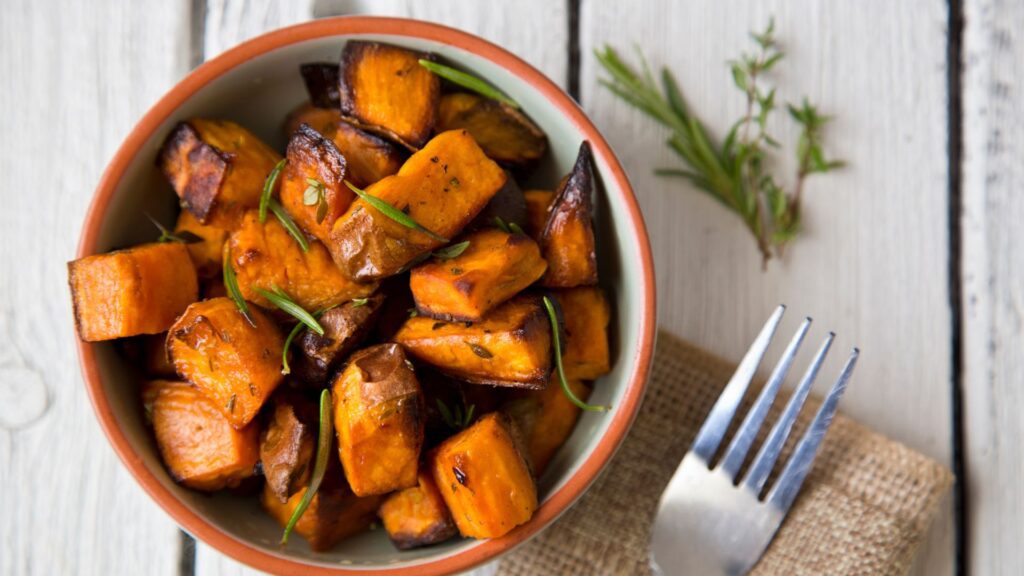
Sweet potatoes often carry the reputation of being a “carb-heavy” vegetable, leading many weight-conscious eaters to avoid them. But this popular tuber, known for its vibrant orange flesh and naturally sweet flavor, is far from a nutritional villain.
In fact, sweet potatoes can be a powerful ally in your weight loss journey, when prepared the right way. In this article, we’ll explore the science behind sweet potatoes, and provide a clear answer to the question: Are sweet potatoes good for weight loss?
Nutritional Overview of Sweet Potatoes
One medium (130–150g) cooked sweet potato provides:
| Nutrient | Amount |
| Calories | ~100–110 kcal |
| Carbohydrates | ~26 g |
| Fiber | ~4 g |
| Sugar | ~5 g |
| Protein | ~2 g |
| Fat | <0.2 g |
| Vitamin A | 400% DV |
| Potassium | ~440 mg |
| Vitamin C | ~20% DV |
| Glycemic Index | Moderate (varies by cooking method) |
The nutrient-dense profile combined with relatively low calories makes sweet potatoes a smart choice for dieters, especially when compared to refined carbs like white bread or pasta.
How Sweet Potatoes Support Weight Loss
High in Fiber for Satiety and Appetite Control
One of the biggest challenges in weight loss is managing hunger. Sweet potatoes are rich in dietary fiber, particularly soluble fiber, which slows digestion and helps you feel full longer. This reduces overall calorie intake and helps curb overeating.
Fiber also plays a role in gut health, supporting the growth of beneficial bacteria, which have been linked to healthier metabolism and fat storage patterns.
Low Energy Density, High Nutrient Density
Foods that provide fewer calories per gram but are rich in nutrients tend to promote weight loss more effectively. Sweet potatoes have a low energy density, meaning you can eat a substantial portion for relatively few calories, while still getting a high dose of vitamins and minerals.
This contrasts with energy-dense processed foods, which are easy to overconsume and poor in nutrients.
Regulates Blood Sugar Levels
Despite being a carbohydrate-rich food, sweet potatoes have a moderate glycemic index (GI), especially when boiled (GI ~44–61). This means they cause a slower, more controlled rise in blood sugar compared to refined carbs.
Maintaining stable blood sugar levels is crucial for weight loss, as spikes followed by crashes can lead to cravings and overeating. The fiber and complex carbs in sweet potatoes reduce the likelihood of such spikes.
Naturally Sweet, But Less Addictive
Sweet potatoes offer a naturally sweet flavor, which may help satisfy sweet cravings without resorting to high-sugar snacks or desserts. Unlike processed sweets, sweet potatoes contain natural sugars accompanied by fiber, which moderates their effect on blood glucose.
This makes them a craving-friendly food that can be part of a healthy, balanced diet without derailing progress.
Contains Resistant Starch (When Cooked & Cooled)
When sweet potatoes are cooked and then cooled, a portion of their starch turns into resistant starch, a type of carbohydrate that resists digestion in the small intestine and functions like soluble fiber.
Resistant starch feeds good gut bacteria and has been linked to improved insulin sensitivity and increased fat oxidation, both of which support weight loss efforts.
Boosts Metabolism With Vitamin A and B6
Sweet potatoes are one of the best sources of beta-carotene, a precursor to vitamin A, which is essential for hormone production and fat metabolism. They also contain vitamin B6, a coenzyme involved in energy production from food.
Although these vitamins alone won’t trigger weight loss, a deficiency can impair metabolic function and slow fat loss.
How to Eat Sweet Potatoes for Weight Loss

To maximize their weight loss benefits, preparation matters:
- Best methods: Boiling, steaming, or roasting without added fat
- Avoid: Deep-frying or loading with butter, sugar, or marshmallows
- Portion control: Stick to ½ to 1 cup per meal as a complex carb source
- Pairing: Combine with lean protein and healthy fats for balanced meals
Examples of healthy combinations:
- Boiled sweet potatoes + grilled chicken + steamed broccoli
- Mashed sweet potatoes + sautéed kale + lentils
- Roasted sweet potatoes + quinoa + avocado
Sweet Potatoes vs. White Potatoes for Weight Loss
Many people compare sweet potatoes to white potatoes when evaluating weight loss potential. Here’s how they stack up:
| Nutrient | Sweet Potato | White Potato |
| Calories (per 100g) | ~86 kcal | ~92 kcal |
| Fiber | ~3 g | ~2 g |
| Vitamin A | 400% DV | 0% DV |
| Glycemic Index | Moderate (~61) | Higher (~78–85) |
| Antioxidants | High (beta-carotene) | Lower |
While both can be part of a healthy diet, sweet potatoes offer more nutritional value and a lower glycemic index, giving them an edge for those focused on weight management.
Frequently Asked Questions (FAQ)
Can I eat sweet potatoes every day to lose weight?
Yes, you can include sweet potatoes in your daily meals, provided they fit your calorie and macronutrient needs. Rotate preparation styles and pair with other vegetables, proteins, and healthy fats for variety and balance.
What’s the best time to eat sweet potatoes for weight loss?
There’s no fixed “best” time, but many prefer them around workouts for energy or as part of a hearty dinner to feel full longer. Their complex carbs make them ideal for sustained energy.
Is it better to eat them boiled or roasted?
Boiled sweet potatoes have a lower glycemic index and retain more resistant starch, making them more favorable for weight loss. Roasting is still healthy but can concentrate sugars and increase GI slightly.
How much is too much?
One medium-sized sweet potato (about 130–150g) per day is a reasonable serving. Overconsumption can lead to excess calorie intake, even from healthy foods.
Are sweet potatoes keto-friendly?
Not typically. Sweet potatoes are high in carbohydrates and don’t fit into strict ketogenic diets. However, they can be incorporated into cyclical or targeted keto plans.
Bottom Line: Are Sweet Potatoes Good For Weight Loss?
Sweet potatoes are not only safe for weight loss; they may actively support it. Their high fiber content, low energy density, and micronutrient richness make them an excellent substitute for less healthy carbohydrate sources.
As long as you watch portions, avoid frying, and maintain an overall calorie-controlled diet, sweet potatoes can be a smart, satisfying, and health-promoting part of your weight loss strategy. Far from being the “enemy of the carb-conscious,” sweet potatoes might just be the comfort food your body needs to burn fat more effectively.