

Osteoporosis is characterized by the weakening of bones, making them fragile and more susceptible to fractures. This condition predominantly affects older adults, especially postmenopausal women, due to the decrease in estrogen levels, which plays a crucial role in maintaining bone density.
Among various dietary interventions, bone broth has emerged as a popular remedy believed to support bone health. But does bone broth really help with osteoporosis?
In this article, you’ll learn about the potential benefits of bone broth for managing osteoporosis and ways to incorporate it into your diet.
What is bone broth?
Before examining whether or not bone broth helps with osteoporosis, it’s important to understand what it is and its composition.
Bone broth is made by simmering animal bones, usually chicken, beef, or fish bones, for a prolonged period, about 24 to 72 hours. This slow-cooking process breaks down the bones and connective tissues, resulting in a nutrient-dense liquid of collagen, amino acids, and gelatin, amongst other beneficial compounds.
How bone broth may help with osteoporosis
Although research on bone broth specifically targeting osteoporosis is limited, studies have shown that the individual components found in bone broth can aid better bone health. Here’s how bone broth potentially help with osteoporosis:
Collagen
Bone broth is rich in collagen, a protein that forms the structural framework of bones, skin, and connective tissues. When consumed, collagen breaks down into amino acids, including glycine and proline, which are vital for collagen synthesis in the body.
This process can support bone strength and flexibility, potentially mitigating some effects of osteoporosis.
Gelatin
Another key element in bone broth is gelatin, which is derived from collagen. Gelatin is known to support joint health by aiding in the maintenance and repair of cartilage.
While its direct effect on bone density is still under investigation, maintaining healthy joints can indirectly benefit individuals with osteoporosis by improving mobility and reducing the risk of fractures due to falls.
Minerals
Another important aspect of bone broth is its high calcium and phosphorus content. Calcium helps build strong bones and teeth and supports muscle function. Phosphorus, on the other hand, works with calcium to enhance its absorption and utilization in the body.
Together, these minerals help maintain bone density and prevent the weakening of bones that occurs in osteoporosis.
Magnesium
Bone broth also contains magnesium, which plays a significant role in bone health. Magnesium helps regulate calcium levels and supports bone formation. It activates vitamin D, which is crucial for calcium absorption. Adequate magnesium intake can help maintain healthy bone density and reduce the risk of osteoporosis
Anti-inflammatory properties
Bone broth contains glucosamine and chondroitin, which are often associated with joint health. These compounds may support the repair and maintenance of cartilage and connective tissues, providing additional support to the skeletal system.
How to make bone broth
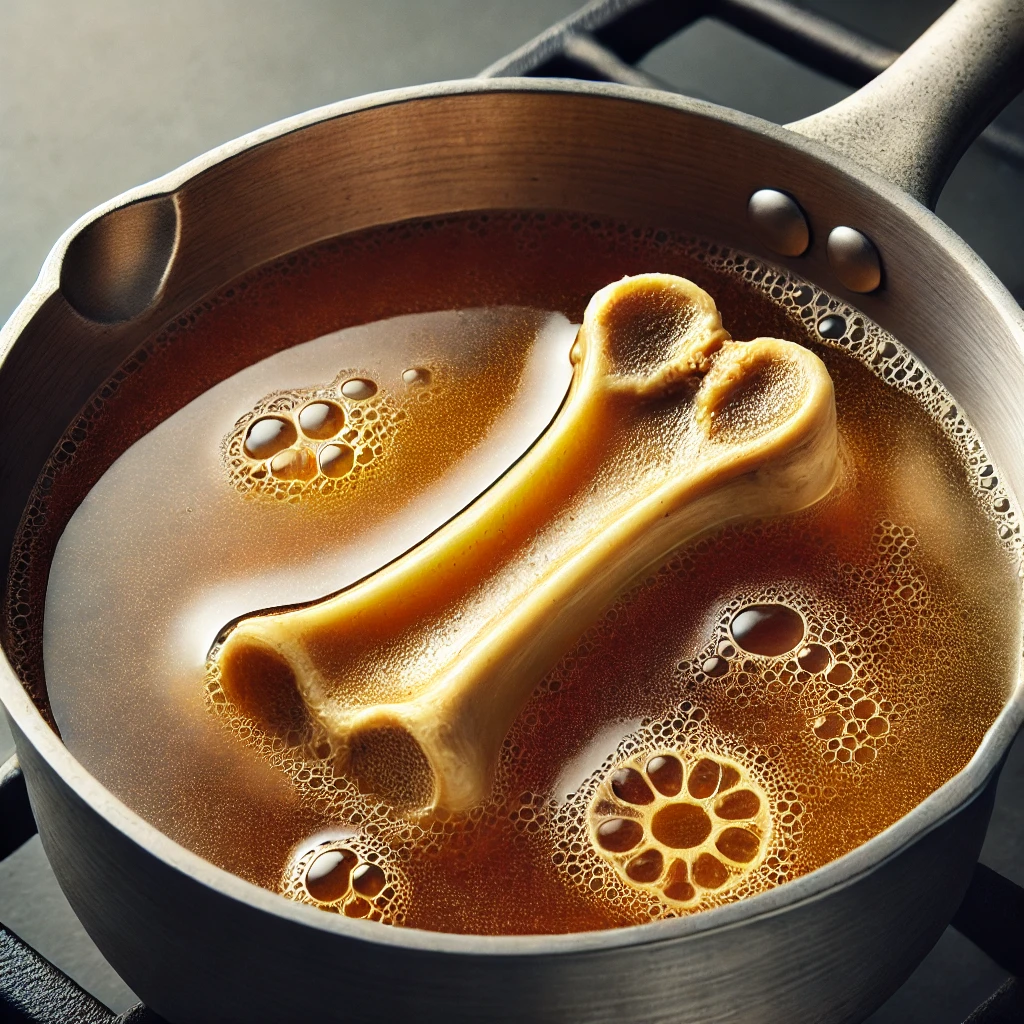
Making bone broth at home is simple:
- Start by roasting animal bones (chicken, beef, or fish) to enhance their flavor.
- Simmer the bones in water with a splash of vinegar, which helps extract minerals.
- Add vegetables like carrots, celery, and onions for additional nutrients and flavor.
- Simmer the mixture for 12 to 24 hours, strain out the solids, and you have a nutritious bone broth.
Tips for enjoying bone broth
Below are some suggestions to help you incorporate bone broth into your meals:
As a warm beverage
This is the simplest way to enjoy bone broth. You can drink it plain or add a pinch of sea salt and some herbs like thyme or rosemary for extra flavor. This can be a comforting and nutritious drink, especially during colder months.
As a base for soups and stews
Replace water or store-bought stock with bone broth in your favorite soup recipes to boost their health benefits. Classic choices include chicken soup, beef stew, and vegetable soups.
Sauces and gravies
Use bone broth instead of water or regular stock for your sauces and gravies. It can add a rich, savory depth to dishes like pasta sauces, gravies for roasted meats, or pan sauces for sautéed vegetables.
Cook grains and legumes in bone broth
Replace water with bone broth when cooking rice, quinoa, or barley. The same can be done with legumes like lentils and beans for a hearty, nutrient-dense dish.
Freeze bone broth for convenience
To ensure you always have bone broth on hand, consider freezing it in portion-sized containers or ice cube trays. This makes it easy to add a cube or two of bone broth to various dishes without preparing a fresh batch each time.
Frequently Asked Questions
How long is bone broth good in the refrigerator?
Bone broth can last 4 to 7 days in the refrigerator if stored properly in an airtight container. After this period, it’s recommended to discard it to avoid the risk of bacterial contamination. Read about bone broth fridge life here.
Is bone broth the same as chicken broth?
Bone broth and chicken broth are not the same. Bone broth is made by simmering bones for an extended period to extract nutrients, including collagen, while chicken broth is typically made by boiling meat and some bones for a shorter time.
Is bone broth protein a complete protein?
Bone broth protein is not considered a complete protein because it lacks certain essential amino acids found in complete proteins. However, it is rich in collagen and other beneficial compounds, such as glycosaminoglycans, which support joint, gut, and overall health.
Can you take collagen and bone broth together?
Yes, you can take collagen and bone broth together. They complement each other well, with collagen supplements supporting the body’s natural collagen production and bone broth providing additional nutrients like amino acids, minerals, and gelatin.
Final thoughts: Does bone broth help with osteoporosis?
In summary, bone broth is not a miracle cure for osteoporosis but can be a valuable addition to a bone-healthy diet. Its collagen and mineral content can support overall bone health, reduce inflammation, and improve gut health, all of which are important for managing osteoporosis.
Incorporating a balanced diet rich in calcium and vitamin D, regular weight-bearing exercise, and medical interventions can help manage and prevent osteoporosis effectively.