
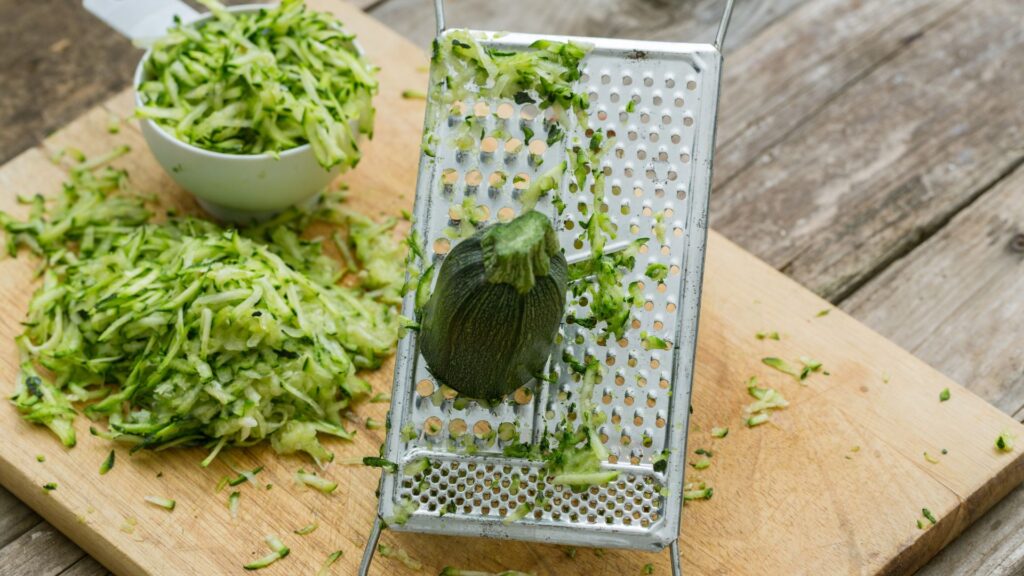
Freezing grated courgettes is an excellent way to preserve this versatile vegetable, allowing you to use it in future recipes without worrying about spoilage. Courgettes are great in a variety of dishes, from courgette fritters to courgette cake, and freezing them ensures that you can enjoy these delicious flavors all year long.
In this guide, we’ll walk you through everything you need to know about freezing grated courgettes, whether to blanch or not, how to remove excess moisture, and the best storage methods to ensure they stay fresh. Additionally, we answer some of the most commonly asked questions, including whether you can freeze courgettes whole or how blanching affects the freezing process.
Why Freeze Grated Courgettes?
Freezing grated courgettes offers a convenient way to save time and prevent waste. Grated courgettes can be quickly added to recipes like soups, casseroles, and baked goods, which makes having a stash of frozen courgettes incredibly useful. Additionally, freezing courgettes helps preserve their nutrients, so you can enjoy the same fresh taste even when they’re not in season.
However, freezing courgettes comes with a few challenges. Courgettes are naturally high in water, and without proper preparation, freezing them can result in a soggy texture upon thawing. That’s why it’s essential to follow the right steps to prepare the courgettes for freezing.
How to Freeze Grated Courgettes

Freezing grated courgettes is straightforward, but it requires careful preparation to maintain their texture and quality. Follow these simple steps:
- Wash and Dry: Start by washing the courgettes thoroughly to remove any dirt or pesticides. Pat them dry using a towel to remove excess moisture.
- Grate the Courgettes: Use a box grater or a food processor to grate the courgettes. If you’re dealing with a large quantity, a food processor is a faster option.
- Remove Excess Moisture: Courgettes have a high water content, and it’s crucial to remove as much moisture as possible before freezing. Place the grated courgettes in a clean kitchen towel or cheesecloth and squeeze out the excess water.
- Portion the Grated Courgettes: Divide the grated courgettes into meal-sized portions. This will make it easier to thaw only what you need without wasting any.
- Freeze the Courgettes: Put the portions of grated courgettes into freezer-safe bags or airtight containers. Be sure to remove as much air as possible to prevent freezer burn. Label each container with the date so you can track how long they’ve been in the freezer.
- Store: Store the containers or bags in the freezer. Grated courgettes can be stored for up to 3 months, and using them within that timeframe will ensure the best quality.
Can You Freeze Grated Courgettes Without Blanching?
A common question when it comes to freezing courgettes is whether they can be frozen without blanching. The answer is yes, you can freeze grated courgettes without blanching, but there are some things to consider.
Blanching is the process of briefly boiling vegetables and then cooling them quickly in ice water. It helps to preserve flavor, texture, and nutrients. While blanching is recommended for many vegetables before freezing, it’s not always necessary for courgettes. Because they have a high water content, blanching can sometimes cause them to become mushy after freezing and thawing.
If you plan to use your grated courgettes in dishes where texture isn’t a concern, such as in smoothies, soups, or casseroles, freezing without blanching should work fine. However, if you’re looking to preserve the courgette’s texture more closely, consider blanching them before freezing.
Can You Freeze Courgettes Whole?
Another common question is whether you can freeze whole courgettes. While it’s possible, this method is typically not recommended if you plan to grate them later. Whole courgettes tend to become watery and soft after freezing and thawing, which can make them less ideal for grating.
However, if you plan to use the courgettes for stuffing or other dishes that require slicing, freezing them whole can work well. To freeze whole courgettes, simply wash and dry them, then place them in freezer-safe bags or containers. Keep in mind that they may become slightly mushy once thawed, so they may not be suitable for all recipes.
How to Blanch Courgettes for Freezing
If you prefer to blanch your courgettes before freezing, here’s how to do it:
- Boil Water: Bring a large pot of water to a boil. You’ll need enough water to submerge the courgettes.
- Blanch the Courgettes: Once the water is boiling, add the grated courgettes and let them boil for 1-2 minutes. Be sure not to overcook them, as this can affect their texture.
- Ice Bath: After blanching, quickly transfer the courgettes to an ice bath to stop the cooking process.
- Dry and Freeze: Once the courgettes have cooled, remove them from the ice bath, pat them dry, and proceed with the freezing process as mentioned earlier.
Tips for Freezing Grated Courgettes
- Avoid Freezer Burn: When freezing grated courgettes, ensure they are stored in airtight containers or freezer bags to prevent freezer burn.
- Use Within 3 Months: For the best texture and flavor, use the frozen courgettes within three months.
- Thawing: To thaw, remove the courgettes from the freezer and allow them to defrost in the fridge. If you’re using them in a recipe that will be cooked, you can add them directly from the freezer.
Wrapping Up
Freezing grated courgettes is a simple, effective way to preserve this versatile vegetable for future use. Whether you choose to blanch them or freeze them without blanching, the key is to remove excess moisture before freezing to ensure the best texture.
With the steps outlined here, you can confidently store grated courgettes in your freezer, knowing they’ll be ready to enhance your future meals. So, next time you find yourself with an abundance of courgettes, don’t hesitate to freeze them for later use!
