
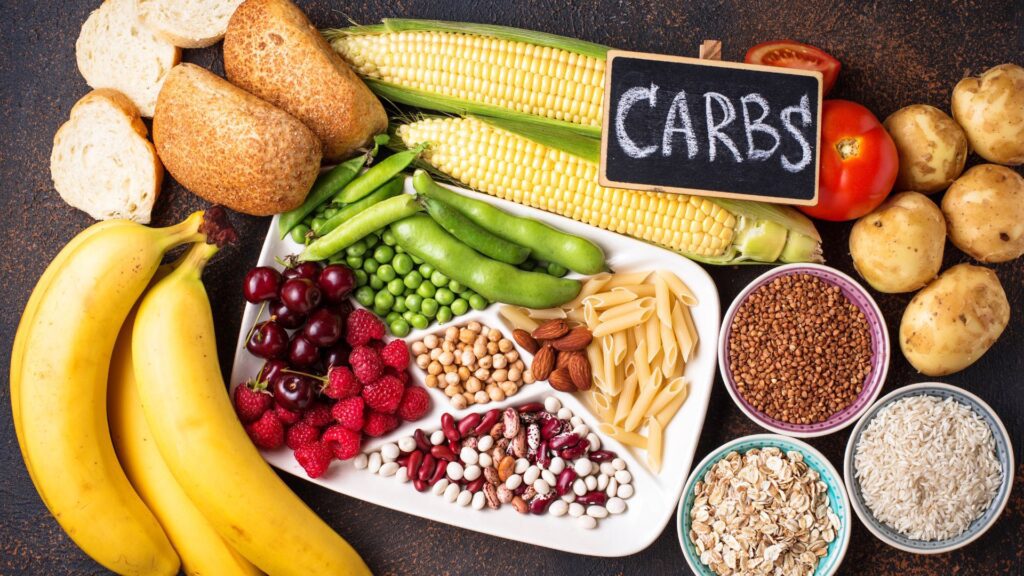
Carbohydrate cravings can feel sudden and hard to control. You may wonder why you want a bagel, cookie, or bowl of pasta instead of a piece of fruit or a salad. These cravings are often tied to your biology, daily habits, emotional state, and even sleep patterns.
This article will explain the main reasons behind carb cravings. You’ll learn how your body responds to stress, hunger, hormones, and diet, and how to manage carb cravings
Possible Reasons for Craving Carbs
Carbohydrate cravings can arise from a number of internal and external factors. Below, we explore the most evidence-based reasons why you might be reaching for sugar and starch.
Low Blood Sugar (Hypoglycemia)
One of the clearest biological reasons for craving carbs is low blood glucose levels. Carbohydrates are the body’s primary source of glucose, the sugar used for immediate energy by your muscles, brain, and organs.
When your blood sugar dips below optimal levels, whether from fasting, skipping meals, overexertion, or insulin sensitivity, your body goes into compensation mode, driving you to seek out the quickest energy source available: carbs.
Signs you may be dealing with low blood sugar:
- Sudden fatigue
- Lightheadedness
- Shakiness
- Anxiety or irritability
- Intense hunger, especially for sugar or starch
Stress-Induced Cortisol Spikes
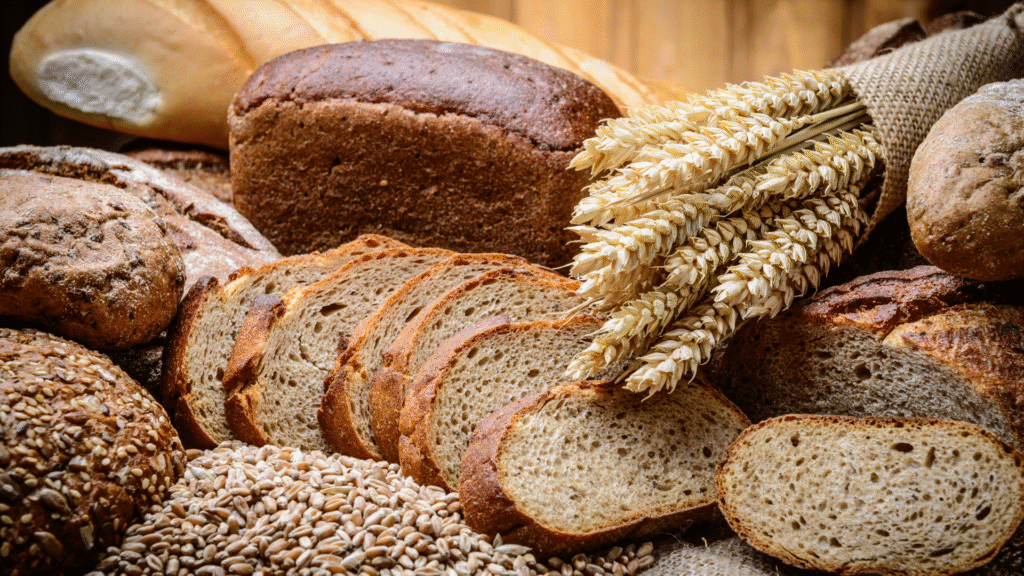
When you’re stressed, your body releases cortisol, the so-called “fight or flight” hormone. While cortisol plays an important role in managing acute stress, chronic elevation of this hormone can have unintended consequences, including an increased appetite for high-carb, high-fat foods.
How cortisol drives cravings:
- Increases blood sugar temporarily for energy
- Promotes fat storage, especially abdominal fat
- Enhances reward sensitivity in the brain, making sweet and starchy foods more satisfying
Hormonal Fluctuations (Especially in Women)
Hormonal shifts, particularly around the menstrual cycle, are a major reason why carbohydrate cravings intensify at certain times of the month. During the luteal phase (post-ovulation), progesterone levels rise and estrogen drops—changes that are known to affect both mood and appetite.
Specific hormonal contributors:
- Estrogen: Promotes serotonin, helping regulate mood and satiety
- Progesterone: Increases appetite, especially for carbs
- Insulin sensitivity: May decline slightly during the luteal phase, leading to fluctuations in blood sugar
Low Serotonin Levels
Serotonin is a neurotransmitter that regulates mood, sleep, and appetite. When serotonin levels drop, you may experience symptoms such as low mood, irritability, and—you guessed it—carb cravings.
Why carbs increase serotonin:
- Carbohydrates increase insulin, which clears competing amino acids from the bloodstream
- This allows tryptophan, the precursor to serotonin, to enter the brain more effectively
This is one reason people with Seasonal Affective Disorder (SAD) or those going through depression often report strong cravings for sugary or starchy foods. Your brain is trying to self-medicate by seeking out foods that restore chemical balance.
Nutrient Imbalances in Your Diet
A diet too low in protein or fat can lead to constant hunger and cravings for fast energy. Without adequate macronutrients, blood sugar levels may rise and fall unpredictably, creating cycles of cravings and energy crashes.
Key nutrients to consider:
- Protein: Regulates hunger hormones (like ghrelin) and supports stable blood sugar
- Fiber: Slows digestion of carbohydrates, reducing blood sugar spikes
- Fat: Adds satiety and balances hormone production
Sleep Deprivation
Not getting enough sleep may be a bigger factor in your carb cravings than you think. Studies show that sleep loss alters hunger-regulating hormones, namely ghrelin and leptin.
What happens when you’re sleep-deprived:
- Ghrelin (hunger hormone) increases
- Leptin (satiety hormone) decreases
- Insulin sensitivity drops
- You become more impulsive and emotionally reactive
The result? You wake up craving a sugary latte and bagel, and the cycle of cravings continues throughout the day.
Habitual and Environmental Triggers
Sometimes, we crave carbs not because of a deficiency or hormonal issue, but because our environment and habits condition us to do so. If you’re used to eating snacks while watching TV or grabbing a muffin with your morning coffee, your brain begins to associate those environments with carb consumption.
These behavioral cues can reinforce a dopamine loop—pleasure from food reinforces the habit, making it more likely to repeat.
How to Reduce or Control Carb Cravings
Now that we’ve broken down the major causes, here are some effective ways to curb your carb cravings in a sustainable way:
1. Eat Balanced Meals
Include protein, fiber, and healthy fats with every meal to maintain blood sugar stability.
2. Don’t Skip Meals
Regular meals prevent blood sugar crashes that lead to emergency carb cravings.
3. Manage Stress
Try stress-reducing activities like walking, yoga, breathing exercises, or journaling to avoid emotional eating.
4. Prioritize Sleep
Sleep at least 7–9 hours per night to regulate appetite hormones and reduce impulsive eating.
5. Focus on Complex Carbs
Choose whole grains, fruits, legumes, and vegetables to support serotonin without the crash.
6. Identify Emotional Triggers
If you eat carbs to cope with boredom, anxiety, or sadness, consider working with a mental health professional.
Frequently Asked Questions (FAQ)
Is craving carbs a sign of a deficiency?
While not always a sign of micronutrient deficiency, carb cravings often reflect imbalances in glucose regulation, serotonin levels, or emotional state. In some cases, magnesium or chromium deficiencies may play a role, but this is less common.
Why do I crave carbs more in the evening?
Evening cravings can stem from stress buildup, fatigue, blood sugar dips, and reduced willpower. Also, people tend to eat fewer nutrients during the day, creating a deficit that drives evening snacking.
Do low-carb diets increase cravings?
Initially, yes. Cutting carbs suddenly can lead to withdrawal-like symptoms. However, many people report fewer cravings once the body adjusts, especially when fat and protein are increased to compensate.
Can emotional eating cause carb cravings?
Absolutely. Carbs boost serotonin, so people often turn to them for emotional comfort. Learning non-food coping mechanisms is key to breaking this cycle.
What’s the difference between hunger and a craving?
Hunger is physiological and grows gradually. Cravings are often sudden, tied to specific foods, and emotionally charged. Understanding the difference can help you make better choices.
Bottom Line
Craving carbs is often a response to what your body or brain needs. Blood sugar drops, hormone shifts, lack of sleep, or even emotional habits all play a part. These signals aren’t random; they’re your body’s way of asking for balance.
By learning what drives these cravings, you can make more informed choices. You don’t have to cut out carbs completely. Instead, you can meet your needs with smart, nourishing foods and better lifestyle habits.
