
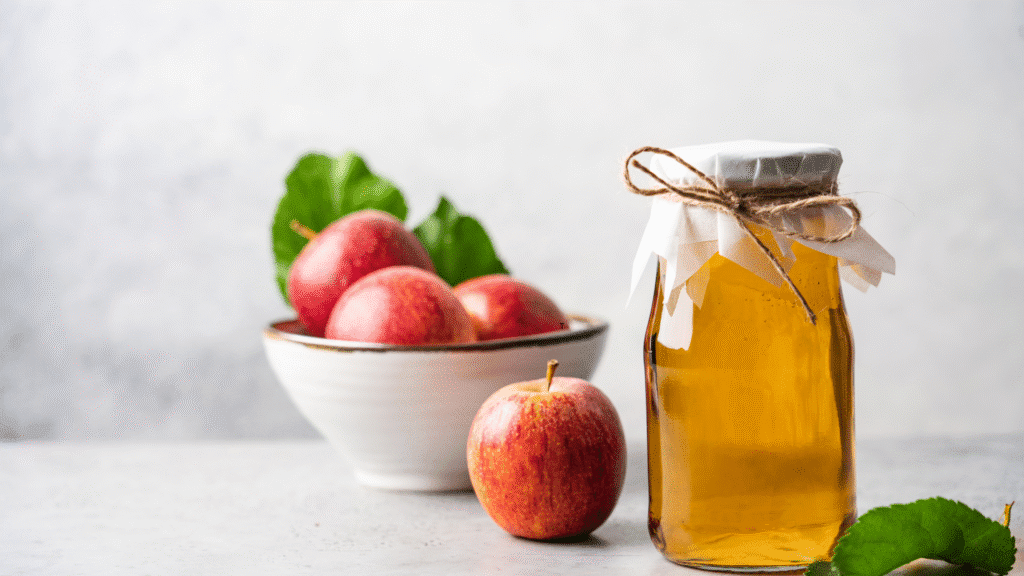
Amongst several home remedies, apple cider vinegar is renowned for its ability to aid digestion. But when it comes to bloating, does it live up to the hype? How effective is apple cider vinegar in providing relief from bloating?
This article will answer these questions and more.
Table of Contents
ToggleWhat is bloating?
Before diving into apple cider vinegar and bloating, let’s clarify what bloating is and why it occurs. Bloating involves the buildup of gas in your stomach and intestines, leading to a feeling of fullness, discomfort, and sometimes an increase in stomach size.
Various factors, including diet, stress, and digestive issues, can contribute to this condition. For instance, foods high in salt, carbonated drinks, and certain carbohydrates that aren’t easily digested may lead to an uncomfortable sensation of bloating. Additionally, eating too quickly or consuming large meals can exacerbate this feeling.
Does apple cider vinegar help bloating?
So, onto the million-dollar question: Can apple cider vinegar help with bloating? Yes, ACV may help provide relief from bloating. Like other fermented foods, apple cider vinegar increases stomach acid and enzyme production, which can help break down food more efficiently, reducing the likelihood of gas and bloating.
Additionally, the probiotics present in raw, unfiltered ACV may support gut health, which can also contribute to reducing bloating.
How to use apple cider for bloating
Integrating apple cider vinegar into your routine for bloating relief can be simple and effective if done correctly. Here’s a step-by-step guide on how to use ACV to potentially ease your discomfort:
Select the right type of ACV
First things first, ensure that the apple cider vinegar you choose is of high quality. Look for organic, raw, and unfiltered ACV that contains “the mother.” This type retains the beneficial bacteria, enzymes, and proteins believed to contribute to its health benefits.
Start with a small dose
If you’re new to using apple cider vinegar, it’s important to start with a small amount to see how your body responds. Begin with 1 teaspoon of ACV in a large glass of water (about 8 ounces). This diluted form reduces the risk of any potential side effects, like tooth enamel erosion or throat irritation.
Increase the dose gradually
Once you’ve determined that your body handles ACV well, you can gradually increase the dose to 1-2 tablespoons per glass of water, if needed. Some people find that taking it 20-30 minutes before meals can aid digestion and possibly prevent bloating.
Mix ACV with other ingredients
To enhance the flavor and health benefits, consider adding a teaspoon of honey or a sprinkle of cinnamon to your ACV water mixture. These additions can make the drink more palatable and boost its digestive benefits.
Use ACV in your cooking
If drinking apple cider vinegar isn’t appealing, try incorporating it into your meals. Use it as a salad dressing, in marinades, or as a tangy addition to sauces. This way, you can still enjoy its health benefits without having to drink it directly.
You may also like: Does Green Tea Contain Caffeine?
Alternative remedies to bloating
Aside from apple cider vinegar, there are several other natural remedies worth considering. Here’s a look at some alternative options that could help you find relief from bloating.
Peppermint tea
Peppermint has been used for centuries to aid digestion and relieve gas and bloating. The menthol in peppermint leaves acts as a natural antispasmodic, relaxing the muscles of your digestive tract and easing the discomfort associated with bloating. Enjoying a cup of peppermint tea after meals can help soothe your stomach.
Ginger
Another powerful natural remedy is ginger, which can help speed up gastric emptying and relieve bloating and gas. You can consume ginger in various forms – fresh, powdered, or as a tea. Adding ginger to your diet not only helps with bloating but can also provide other health benefits.
Probiotic foods
Incorporating probiotic-rich foods into your diet, such as yogurt, kefir, sauerkraut, and kimchi, can improve your gut health. Probiotics introduce beneficial bacteria to your digestive tract, which can enhance digestion and reduce symptoms of bloating.
Fennel seeds
Fennel seeds have been traditionally used to treat bloating, indigestion, and gas. Chewing on a few fennel seeds after meals or drinking fennel tea can help relax the muscles in your digestive tract and reduce bloating.
Hydration
Drinking plenty of water is essential for good digestive health. Water helps to move food through your digestive system and can prevent constipation, which is often a culprit behind bloating. Aim for at least 8-10 glasses of water daily, and consider increasing your intake if you’re active or live in a hot climate.
Dietary adjustments
Sometimes, the foods you eat can contribute to bloating. Foods high in salt, certain carbohydrates (known as FODMAPs), and carbonated drinks can increase bloating. Identify any food sensitivities or intolerances you might have, such as to lactose or gluten, and adjust your diet accordingly.
Regular exercise
You can never go wrong with exercise. Physical activity can help to move gas through your digestive system and reduce bloating. Even a simple walk after meals can make a significant difference. Regular exercise also helps with overall digestive function and health.
Also read: How Long Does Apple Cider Vinegar Last?
Wrapping up: So, does apple cider help bloating?
Apple cider vinegar may offer a natural and accessible solution for relieving bloating. Its potential digestive benefits can contribute to managing and preventing bloating. However, as with any natural remedy, individual experiences may vary.
Additionally, you might not notice immediate relief, but regular, moderate consumption might yield benefits over time.
