
If you have ever tried to lose weight, you know that the biggest challenge is not a lack of willpower. The real struggle is hunger. Most traditional diets fail because they focus on eating less and moving more without considering how satisfied you feel.
While calories are important for weight loss, this old-fashioned approach often leaves you feeling empty and tired. When you are constantly hungry, your brain eventually signals you to overeat, which ruins your progress.
Below are 12 filling foods that can help with weight loss by keeping you full for longer.
What Makes a Food Filling?
Not all calories affect your appetite in the same way. A 200-calorie sugary snack will leave you hungry within an hour, while 200 calories of boiled potatoes might keep you full until your next meal.
This difference is measured by the Satiety Index, a system developed to rank how well different foods satisfy hunger. According to research, three main factors determine how filling a food is. These are high protein, high fiber, and low energy density.
Protein is the most effective part of your diet for controlling hunger. It changes the levels of several fullness hormones, including ghrelin and GLP-1.
Fiber is another key factor because it provides bulk and slows down the rate at which your stomach empties. This means you feel full faster and stay full longer.
Finally, low energy density refers to foods that are heavy or large but low in calories. These foods usually contain a lot of water and air.
1. Boiled Potatoes
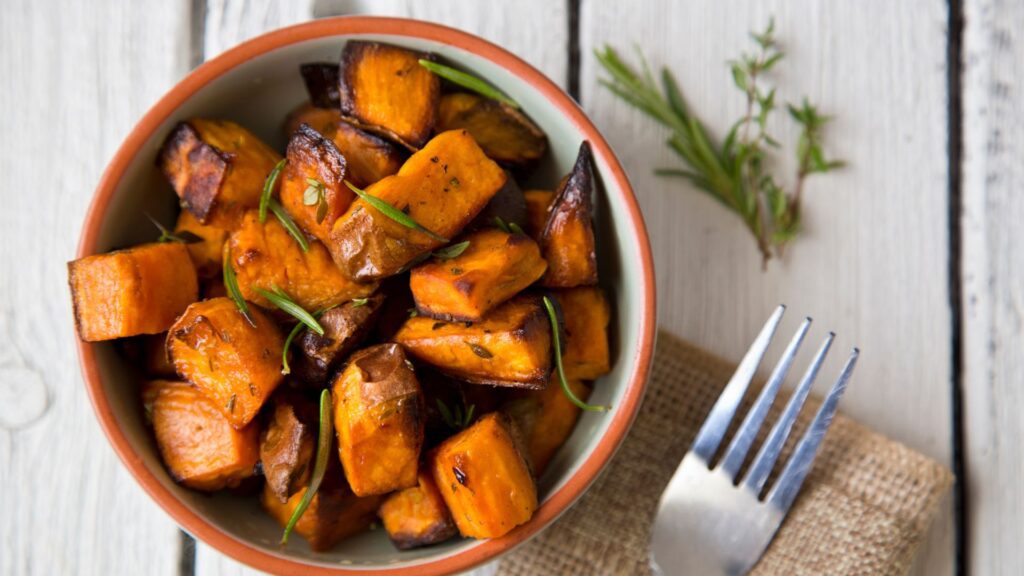
Potatoes have been unfairly labeled as unhealthy for a long time, but when boiled, not fried, they are one of the best foods for staying full. Boiled potatoes contain resistant starch, a type of fiber that acts as a prebiotic and slows digestion. A 2022 study in the Journal of Medicinal Food found that potato-based diets led to high levels of fullness and helped people stick to their weight-loss goals.
To get the most out of this food, let your potatoes cool after boiling them. This cooling process increases the amount of resistant starch, making them even more filling than when they are hot.
Boiled potatoes have an excellent calorie-to-fullness ratio, meaning you get a lot of satisfaction for a relatively small number of calories. They provide the energy your brain needs to function without the blood sugar crashes associated with processed carbohydrates.
2. Whole Eggs
Eggs are a powerhouse of nutrition and contain almost every nutrient your body needs. They are an incredibly high-quality source of protein, which makes them a staple for anyone trying to manage their weight.
Don’t skip the yolk when eating eggs. Most of the nutrients and a good portion of the protein are found in the yellow center. When you eat the whole egg, you receive a complete profile of amino acids that help your body feel satisfied.
3. Oatmeal
Oatmeal is a powerful breakfast choice for appetite control. It is specifically rich in a soluble fiber called beta-glucan, which creates a gel-like substance in your gut. This slows down digestion and the absorption of sugar into your bloodstream, preventing the energy crashes that lead to hunger.
You can improve the satiety of your oats by making them with water or skim milk and topping them with berries for extra fiber. Avoid pre-sweetened instant packets, as the added sugar can cause a hunger spike later.
4. Greek Yogurt
Greek yogurt is much thicker and contains significantly more protein than regular yogurt. The high protein content, specifically the combination of whey and casein, helps preserve lean muscle mass while you lose weight.
When shopping, choose plain, unsweetened Greek yogurt to avoid hidden sugars. You can add your own fresh fruit or a small number of nuts to control the flavor and texture. Because of its high protein-to-calorie ratio, Greek yogurt is an excellent snack or meal base that ranks high on the satiety scale.
5. Legumes
Beans, peas, and lentils are excellent for weight loss because they are packed with both protein and fiber. This combination is a double threat against hunger because it triggers fullness from two different angles.
Legumes also have a low energy density, which means you can eat a large portion for relatively few calories. A great way to use legumes is to add lentils to soups or salads to bulk up the meal without adding many calories.
6. Fish
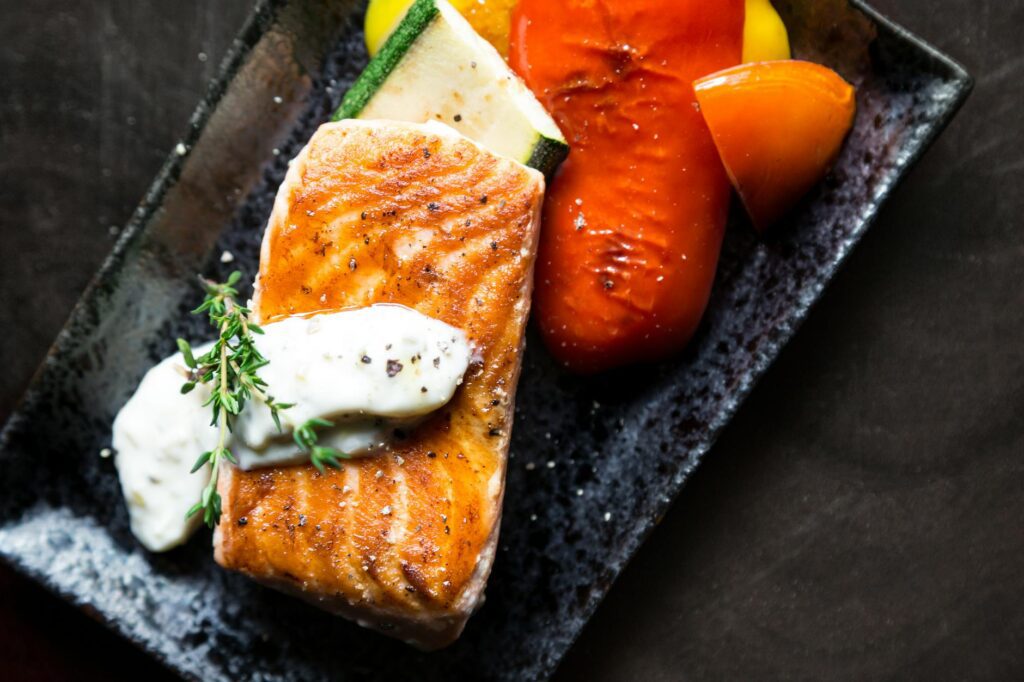
Fish is often overlooked in discussions about filling foods, but it is actually more filling than beef or chicken. It is rich in high-quality protein and omega-3 fatty acids. These healthy fats may increase the feeling of fullness in people trying to lose weight by triggering satiety hormones.
White fish like cod or halibut are lower in calories, while fatty fish like salmon provide more heart-healthy fats. Both types are very effective at keeping you full. Fish has a high calorie-to-fullness ratio, making it a perfect main course for a weight-loss dinner.
7. Apples and Citrus Fruits
Fruit is a vital part of a satiety-focused diet, specifically apples and oranges. Apples contain pectin, which is a natural fiber that slows down your digestion. They also require a lot of chewing. This physical act of chewing gives your brain the time it needs to register that you’re full.
You should always eat the whole fruit rather than drinking the juice. Juice lacks the fiber and the chewing requirement that makes the fruit filling. Apples and citrus fruits have a moderate-to-high calorie-to-fullness ratio, making them the perfect snack to bridge the gap between meals.
8. Cottage Cheese
Cottage cheese is a favorite for many people because it is almost pure protein. It is specifically high in casein protein, which is a slow-release protein. This means it provides a steady stream of nutrients to your body over several hours, which prevents sudden hunger pangs.
You can try cottage cheese as a savory snack with cracked black pepper and cucumber slices. It has a high calorie-to-fullness ratio and is very versatile for different meals.
9. Cruciferous Vegetables

Broccoli, cauliflower, and cabbage are the champions of volume eating. These vegetables are very low in calories but very high in fiber and water. This allows you to eat a massive plate of food for the same number of calories as a single bite of a high-fat snack.
You can roast these vegetables with spices like garlic and paprika to make them delicious without adding heavy sauces or oils. Because they take up so much space in your stomach, they trigger stretch receptors that tell your brain you are full.
10. Lean Beef and Chicken
Lean meats are essential for those who want a high-protein diet that keeps them satisfied. Protein has a high thermic effect of food. This means your body actually burns more calories just trying to digest protein than it does when digesting fats or carbohydrates. This process helps you feel full while also slightly increasing your metabolism.
To keep the calorie count low, opt for cuts like sirloin or chicken breast. These provide the protein you need without the extra calories from animal fat. Lean meats have a high calorie-to-fullness ratio and are very effective at preventing late-night snacking.
11. Nuts
Nuts are high in fat and calories, which usually makes people avoid them during weight loss. However, they are incredibly satiating. A systematic review in Nutients found that despite their calorie density, nuts do not typically lead to weight gain. This is because they are so filling that people naturally eat less later in the day to compensate.
The best way to eat nuts is to stick to a small handful, which is about one ounce. The combination of protein, fiber, and healthy fats provides a powerful punch of fullness. While their calorie-to-fullness ratio is moderate due to the high calorie count, their ability to kill cravings is unmatched.
12. Air-Popped Popcorn
When you want a snack while watching a movie or relaxing, popcorn is your best friend. Popcorn is a whole grain that is very high in fiber. Because it is full of air, it takes up a lot of physical space in your stomach, which helps you feel satisfied.
Avoid the pre-packaged microwave bags that are filled with butter and salt. Instead, use an air-popper and season it with a little sea salt or nutritional yeast. Popcorn has a high calorie-to-fullness ratio because you can eat several cups of it for a very low number of calories.
How to Build a Satiety Plate
Knowing which foods are filling is the first step toward success. The second step is putting them together in a way that maximizes their effect.
To ensure you stay full, follow the 50/25/25 rule. This means you fill half of your plate with low-energy-density foods like broccoli, spinach, or peppers. These provide the volume your stomach needs to feel stretched and full.
The next 25 percent of your plate should be a palm-sized portion of lean protein like fish, chicken, or Greek yogurt. The final 25 percent, a portion of high-satiety carbohydrates like a boiled potato or lentils.
Hydration is also a key part of this strategy. Many of these foods are high in fiber, and fiber needs water to move through your system and create that full feeling. Drinking a glass of water with your meal will make these foods even more effective.
Wrapping Up
The era of starving yourself to reach a goal is over. As we move through 2026, the most successful health strategies are those that prioritize hormonal balance and satisfaction.
By choosing foods that rank high on the Satiety Index and focusing on protein and fiber, you can take control of your hunger. This approach makes weight management feel like a natural part of your life rather than a daily struggle. Which of these 12 foods will you add to your grocery list this week?
Sources
- Moon, J., & Koh, G. (2020). Clinical Evidence and Mechanisms of High-Protein Diet-Induced Weight Loss. Journal of Obesity & Metabolic Syndrome.
https://www.ncbi.nlm.nih.gov/pmc/articles/PMC8017325/ - Rebello, C. J., et al. (2022). Low-Energy-Dense Potato- or Bean-Based Diets in an 8-Week Randomized Clinical Trial: Effects on Self-Reported Satiety and Adherence. Journal of Medicinal Food.
https://pubmed.ncbi.nlm.nih.gov/36367831/ - Paudel, D., et al. (2021). A Holistic Review on Oats: What Makes Them a Healthy Whole Grain? Foods.
https://www.ncbi.nlm.nih.gov/pmc/articles/PMC8622909/ - Gwin, J. A., et al. (2021). Increased Protein Consumption During Weight Loss: A Review of the Nutritional and Physiological Effects. Current Opinion in Clinical Nutrition and Metabolic Care.
https://pubmed.ncbi.nlm.nih.gov/33323731/ - Nishi, S. K., et al. (2021). Are fatty nuts a weight-gain risk? A Systematic Review and Meta-Analysis of Randomized Controlled Trials. Obesity Reviews.
https://pubmed.ncbi.nlm.nih.gov/34363711/ - Centers for Disease Control and Prevention (CDC). (2022). Eat More, Weigh Less? How to Manage Your Weight Without Being Hungry.
https://www.cdc.gov/healthyweight/healthy_eating/energy_density.html
