
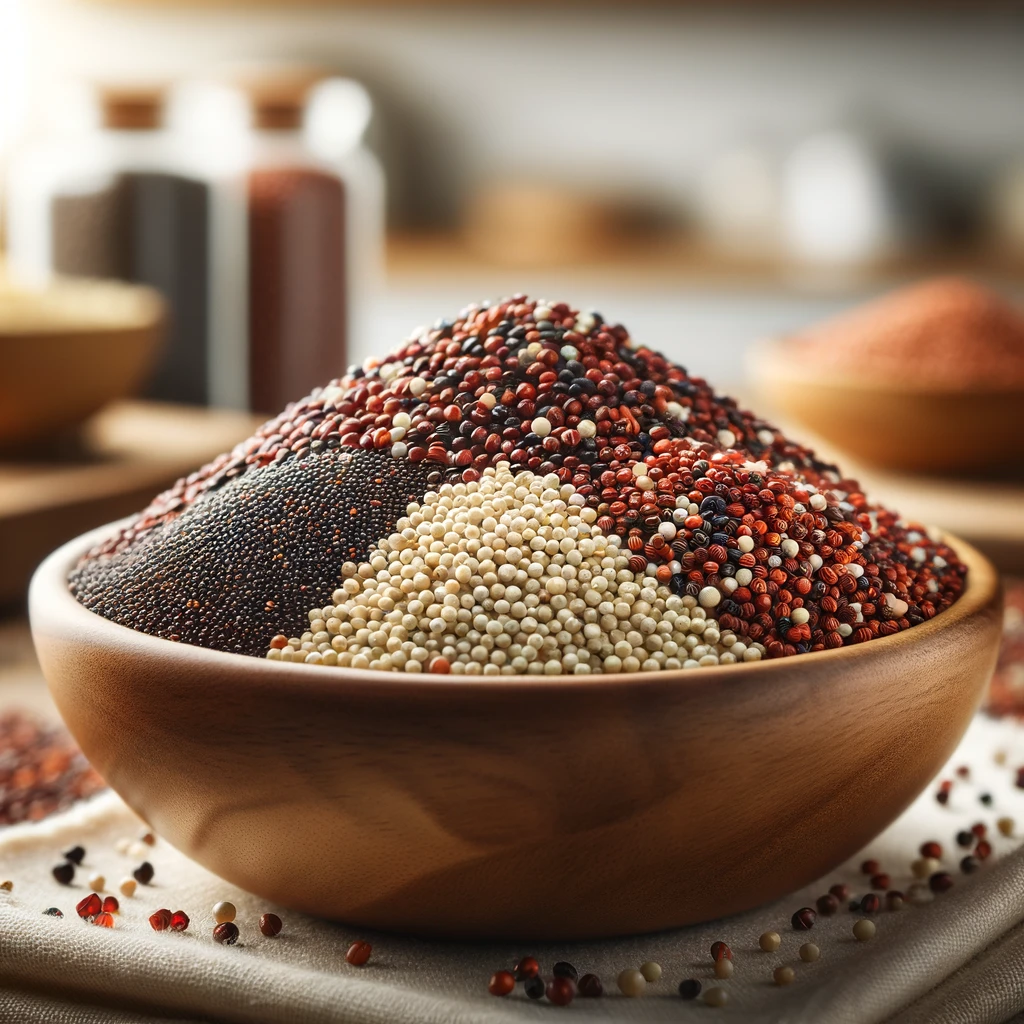
Though commonly referred to as a grain, quinoa is actually a seed from the Chenopodium quinoa plant, a relative of spinach, beets, and chard. With its impressive profile of protein, fiber, and essential minerals, quinoa presents a promising alternative to traditional grains. But is it truly gluten-free?
In this article, we answer the question ‘Is Quinoa a gluten-free food?’, offering insights into its health benefits.
What is gluten?
Gluten is a group of proteins found in certain grains, such as wheat, barley, and rye. It gives bread and other baked goods shape, strength, and elasticity.
While gluten is harmless for most people, it can trigger health issues for certain individuals, such as people with celiac disease, gluten insensitivity, or wheat allergy.
In those with celiac disease, consuming gluten may lead to damage in the small intestine, causing symptoms like abdominal pain, bloating, diarrhea, and nutritional deficiencies. Non-celiac gluten sensitivity, on the other hand, is a condition where people experience symptoms similar to those of celiac disease but without intestinal damage.
Is quinoa gluten-free?
Quinoa is naturally gluten-free. Unlike wheat, barley, or rye, which contain gluten, quinoa belongs to a different plant family altogether, as stated in the first paragraph.
Scientific studies have supported quinoa as a safe and nutritious option for those following a gluten-free diet.
It’s important to note, however, that while quinoa is a gluten-free food, cross-contamination can occur during farming or preparation stages. Quinoa grown, processed, or packaged in facilities that handle gluten-containing grains might be contaminated with gluten.
To ensure your quinoa is truly gluten-free, consider the following tips:
- Look for certified gluten-free labels: This certification ensures that the product has been tested and found to contain less than 20 parts per million (ppm) of gluten, which is the safe threshold for people with celiac disease.
- Purchase whole quinoa: Whole quinoa that has not been processed with other products is less likely to be contaminated than products made with quinoa, such as flours or mixes.
- Rinse quinoa before cooking: Rinsing quinoa under running water before cooking can help remove any surface contaminants. While this doesn’t eliminate the risk of gluten contamination, it is a good practice for removing quinoa’s natural coating of saponins, which can be bitter.
Health benefits of quinoa
Quinoa, often hailed as a superfood, packs a nutritional punch surpassing many traditional grains. Here are some health benefits quinoa offers:
High nutritional value
Quinoa is one of the few plant foods considered a complete protein, meaning it contains all nine essential amino acids that the human body cannot produce on its own. This is particularly valuable for vegetarians, vegans, or those looking to reduce their meat consumption while ensuring they receive sufficient protein.
According to the United States Department of Agriculture (USDA), a 100-gram serving of cooked quinoa provides approximately:
- Protein: 4.4 grams
- Fiber: 2.8 grams
- Magnesium: 64 mg (16% of the Daily Value, DV)
- Phosphorus: 152 mg (22% DV)
- Folate: 42 micrograms (10% DV)
- Iron: 1.49 mg (19% DV)
Quinoa also boasts a high content of vitamins B1, B2, B6, and E.
High in fiber
Quinoa contains more fiber than most grains, with one cup of cooked quinoa providing about 5 grams of dietary fiber. A fiber-rich diet is linked to a lower risk of several diseases, including heart disease, diabetes, and obesity. It helps in maintaining healthy digestion and regularity.
May aid in blood sugar control
The high fiber content and the low glycemic index (GI) of quinoa can help manage blood sugar levels. Foods with a low GI value are less likely to cause a rapid spike in blood sugar, making quinoa a good choice for people with diabetes.
Lowers the risk of heart disease
Quinoa contains heart-healthy fats like oleic acid, a monounsaturated fat, and alpha-linolenic acid (ALA), a type of omega-3 fatty acid. These fats contribute to reducing blood pressure and bad cholesterol levels, lowering the risk of heart disease.
Supports weight loss
The protein and fiber in quinoa can increase metabolism and reduce appetite, potentially aiding in weight loss. Since it has a high protein-to-carbohydrate ratio compared to other grains, it can make for a more filling meal option that supports weight management efforts.
Also read: Best foods for colds
How to incorporate quinoa into a gluten-free diet
Quinoa is not only nutritious but also extremely versatile. Its easy preparation and mild, nutty flavor allow it to blend seamlessly into various dishes, from breakfasts to desserts. Here are some practical ideas for incorporating quinoa into your daily meals:

Quinoa breakfast ideas
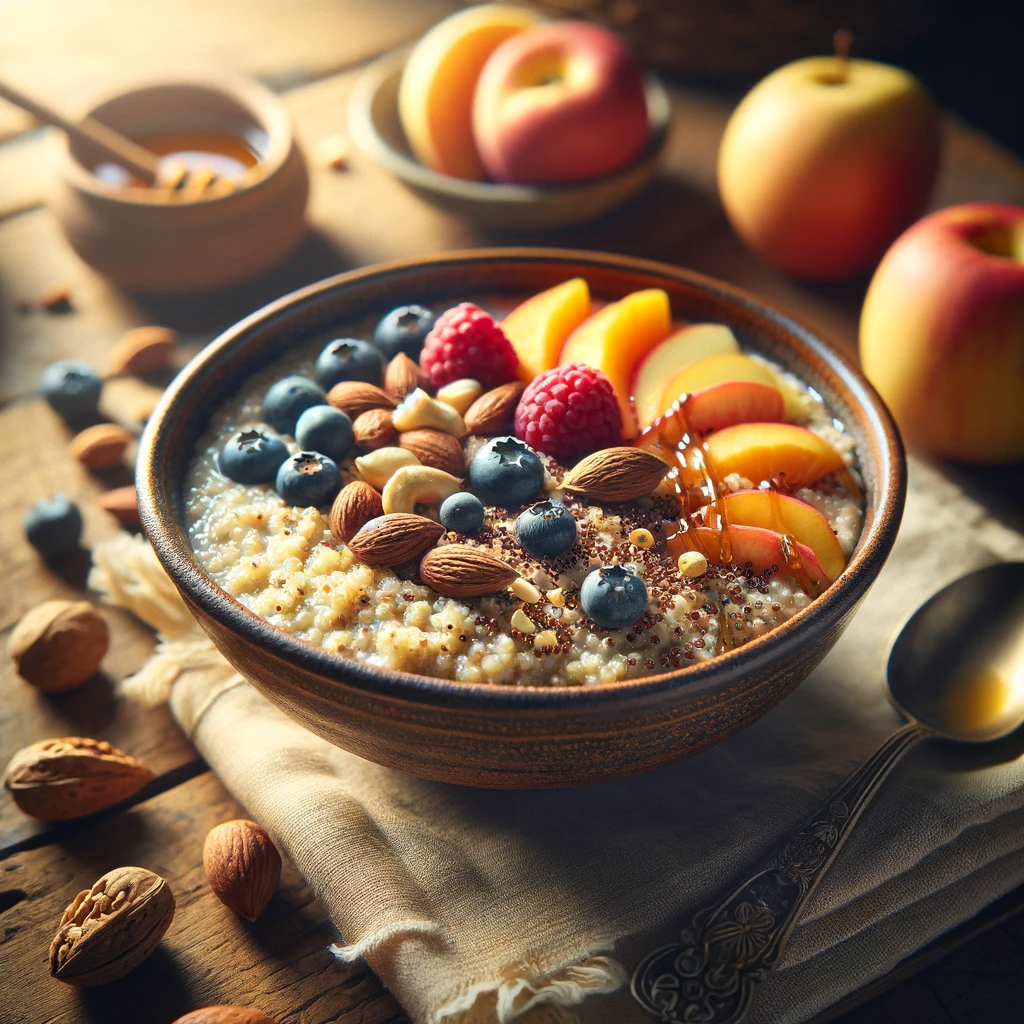
- Quinoa porridge: Swap traditional oatmeal for a warm, comforting bowl of quinoa porridge. Cook quinoa in almond or coconut milk, and top with fresh fruits, nuts, and a drizzle of honey or maple syrup for a nutritious start to your day.
- Quinoa pancakes: Mix cooked quinoa into your gluten-free pancake batter for added texture and protein. Serve with your favorite toppings for a delicious and hearty breakfast.
Quinoa lunch and dinner ideas
- Quinoa salads: Combine cooked quinoa with a mix of vegetables, beans, and a dressing of your choice for a filling salad. It’s perfect for meal prep and can be customized with different ingredients each time.
- Stuffed peppers: Use quinoa as a base for stuffed peppers. Mix it with black beans, corn, tomatoes, spices, and cheese for a satisfying and balanced meal.
- Quinoa bowls: Layer cooked quinoa with roasted vegetables, a protein source like grilled chicken or tofu, and a flavorful sauce for an easy and nutritious bowl meal.
Snacks, soups and desserts
- Quinoa tabouli: Substitute bulgur with quinoa in your tabouli recipe for a gluten-free version of this classic Middle Eastern dish.
- Hearty quinoa soup: Add quinoa to vegetable or chicken soup to create a more filling dish. Quinoa adds texture and boosts the nutritional value of any soup or stew.
- Quinoa chocolate cake: For a gluten-free dessert option, use quinoa flour or cooked quinoa in your chocolate cake recipe for a moist and rich texture.
- Quinoa pudding: Like rice pudding, quinoa pudding made with milk (dairy or non-dairy), sugar, and spices offers a comforting and sweet treat.
Also read: Benefits of cloves for sexual health
Potential side effects of quinoa
As with any food, some individuals may experience side effects from consuming quinoa. These side effects are generally mild and can often be mitigated with proper preparation methods. Here’s what you should know:
Fiber content
Quinoa is high in fiber, which is beneficial for digestive health. However, for some people, a sudden increase in fiber intake can lead to digestive discomfort, such as bloating, gas, or diarrhea. To minimize these effects, it’s advisable to introduce quinoa gradually into your diet and ensure adequate hydration.
Allergic reactions
Though rare, some individuals may be allergic to quinoa. An allergic reaction can manifest as skin rashes, itching, or more severe symptoms such as difficulty breathing or anaphylaxis.
Oxalates content
Quinoa is among the foods that contain oxalates, natural compounds that, in excessive amounts, can contribute to the formation of kidney stones. People with a history of oxalate-type kidney stones may need to moderate their intake of oxalate-rich foods, including quinoa.
Final thoughts: Is quinoa a gluten-free food?
Quinoa is naturally gluten-free, making it an excellent option for people with celiac disease or those following a gluten-free diet. Whether used in breakfast porridge, salads, main courses, or even desserts, quinoa’s nutty flavor and satisfying texture make it a delightful and nutritious choice for everyone.