
Do you ever feel full, tight, or gassy even hours after eating? Bloating is a common issue that can make your stomach feel uncomfortable or look swollen. Many people reach for kombucha to ease that feeling, but does it actually work?
This article explains what kombucha is, what causes bloating, and how the two may be connected. You’ll learn how kombucha affects your gut, what to look out for, and whether it’s right for you.
What Is Kombucha?
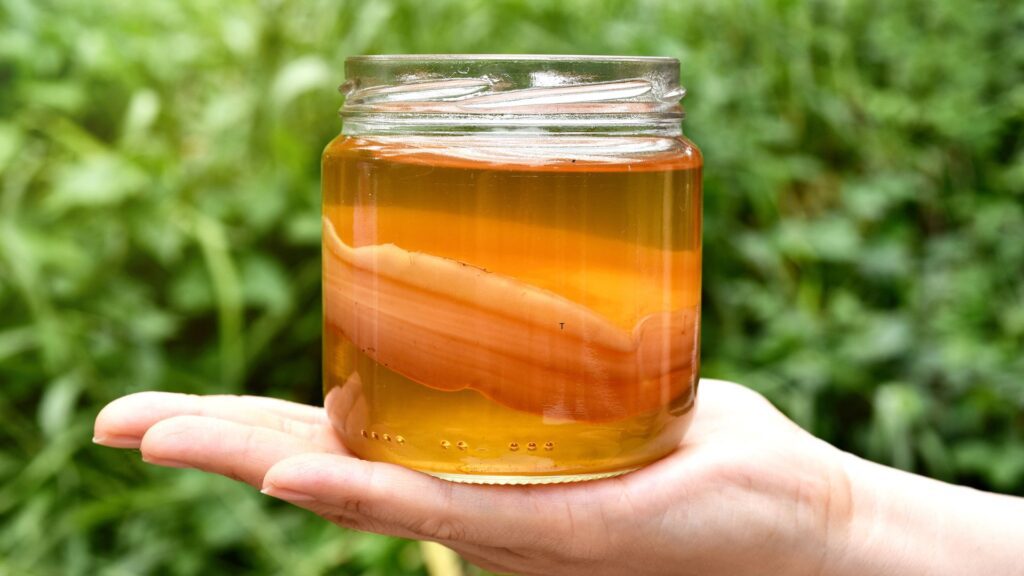
Kombucha is a slightly fizzy tea made through fermentation. It contains live bacteria, yeast, and acids. People often drink it for digestive support, energy, or simply for the taste.
The process begins with brewed tea and sugar. A SCOBY (symbiotic culture of bacteria and yeast) gets added, which starts fermentation. Over time, the mixture develops probiotics, enzymes, and small amounts of alcohol.
The final drink is low in sugar, sour in taste, and often flavored with fruit or herbs. It’s widely available in grocery stores and can also be made at home.
What Causes Bloating?
Bloating happens when gas builds up in your digestive system. It can cause a swollen belly, discomfort, or pressure.
Common causes include:
- Eating too fast or overeating
- Consuming carbonated drinks
- High intake of fiber or sugar alcohols
- Imbalances in gut bacteria
- Food intolerances such as lactose or gluten
Bloating is often linked to digestion. That’s why people look at probiotics, like those in kombucha, as possible relief.
How Kombucha May Affect Digestion

Kombucha contains probiotics. These are live bacteria that may help support a healthy balance in your gut. A better balance can improve how your body breaks down food.
Fermented foods like kombucha may support digestion by:
- Reducing harmful bacteria in the gut
- Producing short-chain fatty acids
- Aiding nutrient absorption
- Supporting bowel regularity
While probiotics in kombucha might help some people with bloating, the results vary. Your response depends on your current gut health and how your body handles fermented products.
Can Kombucha Reduce Bloating?
The idea that kombucha helps with bloating comes from its probiotic content. Some strains of bacteria found in kombucha are known to support digestion.
Possible Benefits
You may notice a change in how your gut feels after adding kombucha to your routine.
- Some users report less gas and more regular bowel movements
- The acids and enzymes in kombucha might improve how food is broken down
- It may support microbial balance in the intestines
While this sounds promising, kombucha is not a cure. Its effects on bloating depend on the individual and the type of kombucha consumed.
Potential Drawbacks
Kombucha is carbonated and slightly acidic. For some, this can increase bloating rather than relieve it.
- The gas in kombucha may worsen bloating in sensitive people
- It contains FODMAPs, which can trigger symptoms in those with IBS
- Overconsumption may lead to discomfort or excess sugar intake
Try small amounts first to see how your body reacts. If bloating increases, kombucha may not be the right option for you.
Best Ways To Use Kombucha For Digestive Health
If you decide to try kombucha for bloating, focus on timing and quantity. Drink it with meals to support digestion and avoid large servings.
Tips for use:
- Start with 4 to 6 ounces per day
- Choose raw, unpasteurized kombucha for live cultures
- Avoid varieties high in sugar or artificial flavors
- Track your symptoms after drinking
If bloating improves, continue with a small daily serving. If symptoms worsen, consider other sources of probiotics like yogurt or kefir.
Conclusion
Kombucha might help with bloating by supporting gut bacteria and digestion. Its probiotics and enzymes offer potential relief, but results vary based on the individual.
Some people feel better after drinking kombucha. Others may feel more bloated due to the carbonation or sugar content. Start slow, pay attention to your body, and adjust based on how you feel.