
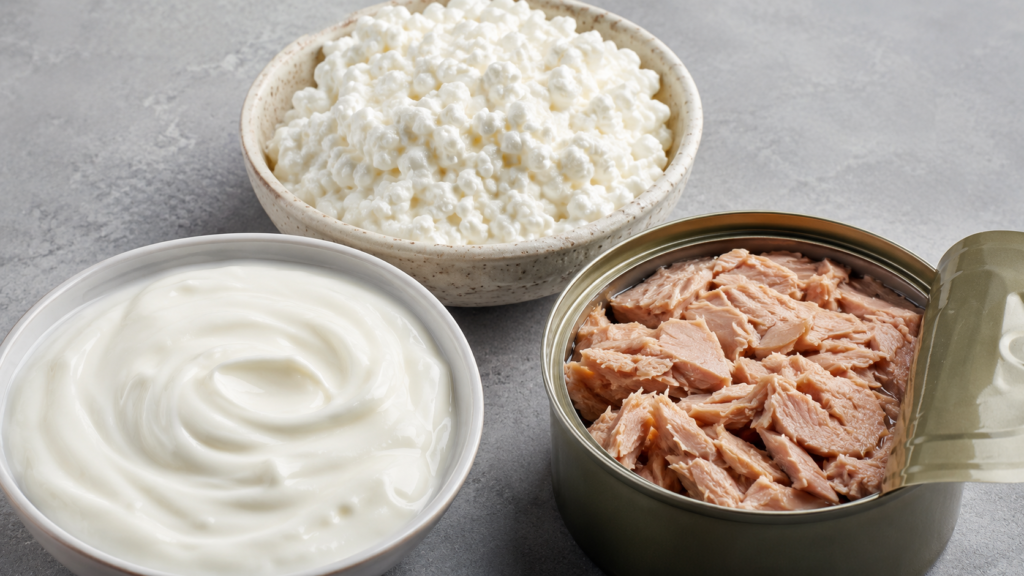
You do not need an expensive tub of protein powder or a cart full of chicken breasts to meet your daily protein goals. Some of the most effective protein sources available cost less than two dollars a serving and work just as well for building muscle, staying full, and supporting your overall health.
The idea that quality protein has to be expensive is one of the biggest myths in the nutrition world, and this article is going to break it down for you with real numbers and practical advice.
Table of Contents
ToggleWhat Makes a Protein Source Actually Worth It
Before jumping into the list, it helps to understand what actually makes one protein source better than another. The key factor is bioavailability, which simply means how much of the protein your body can actually absorb and use. Scientists measure this using a score called PDCAAS, which stands for Protein Digestibility Corrected Amino Acid Score. A perfect score is 1.0.
Here is what surprises most people. Eggs score a perfect 1.0. Canned tuna scores close behind. Cottage cheese and Greek yogurt are not far off either. Meanwhile, the expensive whey protein isolate you see advertised everywhere also scores a 1.0.
This means a dozen eggs from your local grocery store delivers the same quality protein as a forty-dollar tub of premium powder. Cost per gram is also a smarter way to shop. It tells you how much you are paying for the actual protein inside the food, rather than the water, fat, or fancy packaging, and the foods below win that comparison every time.
The Best Cheap Protein Sources Ranked by Value
These eight foods give you the most protein for your money. Each one is widely available at American grocery stores, easy to prepare, and backed by solid nutritional science.
Eggs
Eggs are the gold standard of budget protein and one of the most nutritionally complete foods you can put in your cart. A dozen large eggs costs around two to three dollars and gives you about seventy-two grams of protein total, working out to roughly six grams per egg at about twenty-five cents per serving.
Eggs score a perfect 1.0 on the PDCAAS scale, meaning your body absorbs and uses virtually all of the protein they provide. You can scramble them, hard boil a batch for the week, mix them into fried rice, or pair them with vegetables for a fast and filling meal any time of day.
Canned Tuna
Canned tuna is one of the most underrated and overlooked protein sources in any American grocery store. A five-ounce can typically costs between one and two dollars and delivers around twenty-five grams of high-quality protein with almost no fat.
It requires zero cooking, has a long shelf life, and mixes easily into salads, wraps, pasta, or eaten straight from the can. Look for tuna packed in water rather than oil for the leanest option. If you are trying to get more protein into your diet without spending more time in the kitchen, canned tuna is one of the smartest swaps you can make.
Canned Sardines
Canned sardines do not get nearly enough credit in the American diet. A tin costs about one to two dollars and provides roughly twenty-three grams of protein, along with a significant dose of heart-healthy omega-3 fatty acids, calcium, and vitamin D.
Sardines are one of the few foods that deliver this combination of nutrients at such a low price point. They work well on whole grain crackers, stirred into pasta, or added to a simple salad with olive oil and lemon. If the flavor feels strong at first, try the versions packed in olive oil or with added mustard or hot sauce to ease your way in.
Dried Lentils
Dried lentils are the most cost-effective protein source on this entire list. A one-pound bag costs under two dollars and yields multiple servings, with each cooked cup delivering around eighteen grams of protein alongside iron, fiber, folate, and complex carbohydrates. That makes lentils an exceptional all-around food, not just a protein source.
They cook in about twenty to thirty minutes without soaking, which makes them more convenient than most dried legumes. Use them in soups, stews, curries, or as a base for grain bowls. For plant-based eaters especially, dried lentils are one of the most reliable and affordable staples you can keep in your pantry.
Cottage Cheese
Cottage cheese has made a serious comeback in American kitchens, and for good reason. A sixteen-ounce container costs around three dollars and provides roughly fifty grams of protein, making it one of the highest protein-per-dollar options in the entire dairy aisle. It is particularly rich in casein protein, which digests slowly and keeps you feeling full for longer compared to faster-digesting proteins.
This makes cottage cheese an especially smart choice between meals or as a late-night snack if you are trying to preserve muscle overnight. Eat it plain, mix in fruit or honey, blend it into smoothies, or use it as a creamy base for dips and sauces.
Greek Yogurt
Greek yogurt is strained to remove excess liquid, which concentrates the protein and gives it that thick, creamy texture most people love. A six-ounce serving delivers about fifteen to seventeen grams of protein and costs approximately one dollar per cup when you buy larger containers rather than individual portions. It also contains probiotics that support gut health, making it a solid choice beyond just its protein content.
Greek yogurt works as a breakfast base topped with fruit and granola, a midday snack, a post-workout meal, or a healthier substitute for sour cream in tacos and baked potatoes. Always check the label and choose plain varieties to avoid added sugars.
Canned Chickpeas
Canned chickpeas are one of the most versatile and affordable plant proteins you can keep stocked in your kitchen. A fifteen-ounce can costs about one dollar and provides around fifteen grams of protein along with a generous amount of fiber that helps with digestion and satiety.
Unlike dried legumes, canned chickpeas require no cooking at all. You can rinse and drain them straight into a salad, toss them with olive oil and spices and roast them in the oven for a crunchy high-protein snack, blend them into hummus, or add them to soups and grain bowls. They pair particularly well with lentils and whole grains to round out your amino acid intake for the day.
Frozen Chicken Thighs
Frozen chicken thighs are the budget-friendly alternative to chicken breasts that most nutrition advice overlooks. They typically cost between one and two dollars per pound, significantly less than boneless skinless breasts, and deliver around twenty-eight grams of protein per three-ounce cooked serving.
The slightly higher fat content compared to chicken breasts is not a health concern for most active adults and actually adds flavor, making thighs more satisfying to eat. You can bake, grill, slow cook, or pan sear them with minimal effort.
Buying a large frozen bag and portioning it out through the week is one of the most practical ways to keep your protein intake high without straining your grocery budget.
How Cheap Plant Proteins Can Match Animal Proteins When Combined
One concern people have about plant proteins is that most of them are incomplete, meaning they do not contain all nine essential amino acids your body needs. This is true for lentils, chickpeas, and rice on their own. However, the fix is simple. When you combine two complementary plant proteins, your body gets everything it needs.
Pairing rice with beans or lentils with whole grain bread creates a complete amino acid profile without any animal products. You do not have to eat them in the same meal either. Research shows that as long as you consume a variety of plant proteins throughout the day, your body can piece together the full amino acid picture it needs.
This is great news if you are trying to cut costs further, follow a plant-based diet, or simply eat less meat without sacrificing your protein intake.
Cheap Protein vs Expensive Protein — What the Research Actually Shows
The premium protein supplement industry is built on marketing, and a lot of it is designed to make you feel like whole food proteins are not good enough. The science tells a different story.
Whey protein isolate, one of the most popular and expensive options on the market, scores a 1.0 on the PDCAAS scale. So do eggs. So does casein, which is the primary protein in cottage cheese. Canned fish scores between 0.9 and 1.0 depending on the variety. A 2019 study published in the journal Nutrients found that whole food protein sources produced comparable muscle protein synthesis responses to protein supplements when total protein intake was matched.
What this means for you is straightforward. If you are hitting your daily protein target, which is roughly 0.7 to 1.0 grams per pound of body weight for active adults according to the American College of Sports Medicine, the source matters far less than the total amount. A diet built around eggs, canned fish, lentils, and cottage cheese can absolutely support muscle growth, recovery, and long-term health just as well as one that relies on expensive supplements.
Practical Ways to Build a High Protein Diet on a Budget
Getting more protein without spending more money comes down to a few consistent habits.
- Buy in bulk whenever you can. Dried lentils, canned tuna, and frozen chicken thighs are significantly cheaper per serving when purchased in larger quantities. Most warehouse stores carry these at prices well below standard grocery chains.
- Meal prep once or twice a week. Hard-boiling a dozen eggs on Sunday, cooking a large batch of lentils, and portioning out Greek yogurt takes about thirty minutes and sets you up for days of easy high-protein meals without relying on expensive grab-and-go options.
- Swap protein bars and shakes for real food. A protein bar that costs three dollars and delivers twenty grams of protein cannot compete with two hard boiled eggs and a cup of cottage cheese that together deliver roughly twenty-four grams of protein for under a dollar.
- Use canned proteins as your default convenience food. Canned tuna and sardines require no refrigeration before opening, no cooking, and almost no prep time. They are the original fast food for people who care about nutrition.
- Round out meals with plant proteins. Adding a half cup of chickpeas to a salad or a side of lentils to any dinner instantly boosts the protein content of your meal without adding much to your grocery bill.
The Bottom Line
You do not need to spend a lot to eat well and hit your protein goals. Eggs, canned fish, lentils, cottage cheese, Greek yogurt, chickpeas, and frozen chicken thighs are among the most effective protein sources available, and they cost a fraction of what most supplements and premium cuts run at the store. The research is clear that total protein intake matters more than where that protein comes from.
Start small. Pick two or three foods from this list that appeal to you and work them into your meals this week. Track how you feel, how you perform, and how much you are spending. Chances are you will find that eating smart costs a lot less than the supplement industry wants you to believe.