
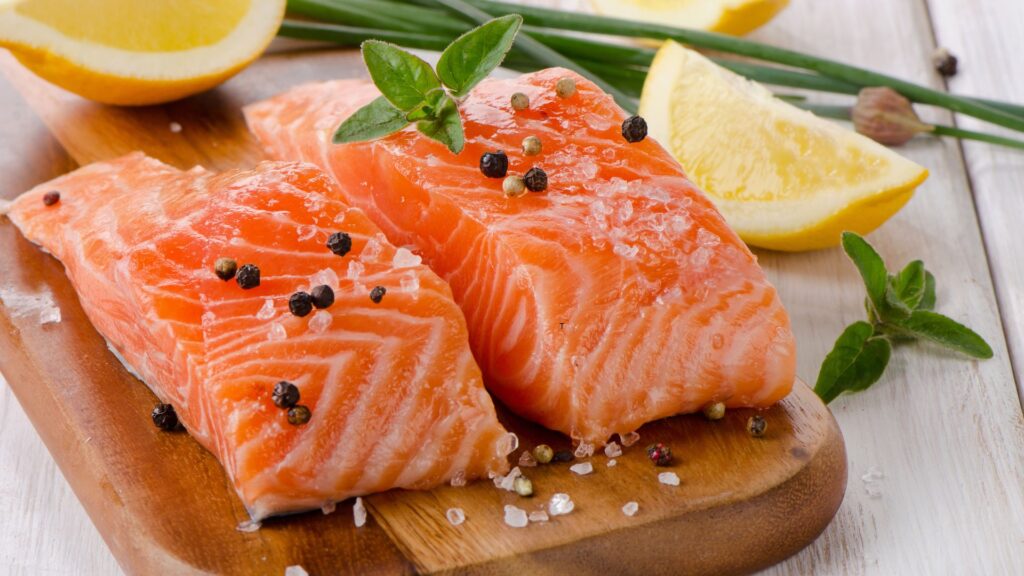
Cravings are entirely normal, and tuna is a dense source of protein, omega-3 fats, and minerals like selenium and iron. If you find yourself repeatedly wanting tuna, your body may be responding to a gap in nutrition, stress, or routine.
This article explores what tuna cravings might signal and how to respond without over-relying on one food. You’ll also learn when to pay closer attention and what other foods can meet the same needs.
Table of Contents
TogglePossible Reasons For Tuna Cravings
1. You May Need Omega-3s
Tuna contains omega-3 fatty acids, which support the brain, skin, and cardiovascular system. If you’ve been eating a low-fat diet or avoiding seafood, your body may seek fatty fish to restore balance.
You might notice other signs too, like dry skin, difficulty concentrating, or increased inflammation.These types of cravings often appear after periods of processed eating or low dietary fat.
2. Your Protein Intake Might Be Too Low
Additionally, tuna is an excellent source of high-quality protein, just like eggs. If you have increased protein needs, perhaps due to exercise, muscle recovery, or other physical demands, your body might crave protein-rich foods like tuna to help meet these needs.
3. You Could Be Low in Iron or Other Key Minerals
Craving tuna may point to an iron or selenium deficiency. Iron supports energy levels and helps carry oxygen in your blood. Low iron is common among menstruating women, athletes, and those who follow plant-based diets.
Tuna contains both iron and selenium, and your body may learn to associate it with feeling better. If your cravings come with low energy, pale skin, or dizziness, a blood test can confirm if you need more of these nutrients.
Related minerals to consider:
- Selenium: Supports thyroid function and immunity
- Iodine: Found in seafood, it supports hormone production
4. Your Body Wants To Relax
Stress can change how and what we eat. When your brain feels overloaded or your schedule becomes chaotic, simple, salty, and satisfying foods often become more appealing. Tuna, especially in a sandwich or creamy salad, can quickly satisfy hunger with little effort.
Furthermore, if you have positive associations with eating tuna, such as a memorable meal or a family tradition, your brain might crave that same pleasurable experience.
5. Hormonal Shifts Might Be Affecting Your Appetite
Appetite shifts during the menstrual cycle or pregnancy can explain tuna cravings. During these times, the body asks for higher amounts of iron, protein, and fats—nutrients that tuna happens to provide.
Some women find themselves wanting tuna during PMS or early pregnancy, when food aversions and fatigue complicate mealtime decisions.
6. You Might Just Like The Taste
Tuna is salty, savory, and satisfying. If you’ve eaten it regularly in the past, your body might associate it with easy meals or specific routines.
In this case, craving tuna may not reflect a nutritional shortage, but rather a taste memory or habit loop. Still, consistent cravings are worth examining if they persist beyond preference.
Can You Eat Tuna Too Often?
Tuna offers real benefits, but it’s not a food you want to overdo. Some types of tuna, especially albacore, can contain higher levels of mercury. The FDA suggests adults limit their intake to two to three servings of light tuna per week.
Mercury builds up in the body and can affect the nervous system over time. Young children, pregnant people, and breastfeeding mothers should be especially cautious. If you’re eating tuna daily or experiencing symptoms like numbness, brain fog, or fatigue, talk to a healthcare provider.
Healthy recipes to satisfy your tuna cravings
If you’re going to indulge in tuna, it’s best to do so in a healthy way. Here are a few nutritious and delicious tuna recipes:
- Tuna avocado toast: Start your day with a protein-packed breakfast that’s both satisfying and healthy. Mash half an avocado and spread it on whole-grain toast. Top it with flaked canned tuna, a sprinkle of salt, and pepper, and a dash of lemon juice.
- Tuna omelet: For a protein-packed breakfast, try a tuna omelet. Whisk together eggs and add flaked tuna, diced tomatoes, onions, and spinach. Cook until the eggs are set and the tuna is warmed through.
- Tuna steak with veggies: Season a tuna steak with salt, pepper, and a bit of olive oil. Sear it in a hot pan for about 2-3 minutes on each side, depending on your preferred level of doneness.
- Tuna pasta: Cook your favorite pasta according to the package instructions. In a separate pan, sauté garlic in olive oil, add canned tuna and toss with cherry tomatoes and capers. Combine with the cooked pasta and top with fresh parsley and grated Parmesan cheese.
- Tuna salad wrap: This is a perfect lunch option that’s both tasty and portable. Mix canned tuna with Greek yogurt, chopped celery, red onions, and a bit of mustard. Spoon the mixture onto a whole-wheat tortilla, add some lettuce or spinach, and roll it up.
How much tuna should you eat?
Eating large amounts of any food, including tuna, can lead to an unbalanced diet. The FDA recommends that adults limit their intake to no more than 2-3 servings per week of low-mercury fish, including light tuna.
What does tuna taste like?
Tuna has a distinct taste and texture that can vary slightly depending on the type and preparation. Generally, fresh tuna has a mild, somewhat sweet flavor with a firm, meaty texture. When cooked, it can take on a richer, more pronounced flavor, similar to a beef steak.
Canned tuna, on the other hand, tends to have a softer, flakier texture and a more pronounced flavor, often slightly salty or briny, depending on how it is processed and packed (in water, oil, or brine).
When to Talk to a Professional
Occasional cravings are normal. But if you’re consistently craving tuna in large amounts, or if it’s tied to fatigue, anxiety, or obsessive eating patterns, it’s time to check in with a doctor or dietitian. A blood panel can reveal if you’re low in iron, B12, or thyroid hormones.
Keeping a food journal can help. Track your cravings, what you eat, and how you feel afterward. Patterns often reveal the underlying trigger, making it easier to adjust your diet or routine.
Frequently asked questions
Does tuna have scales?
Yes, tuna does have scales, but they are very small and not as prominent as those on some other fish species. The scales are more noticeable on the head and near the gill area, with fewer scales on the body.
How long does tuna last?
When stored in the refrigerator, fresh tuna should be consumed within 1-2 days. If properly frozen, it can last up to 2-3 months in the freezer.
Does canned tuna expire?
Yes, canned tuna does go bad. While it has a long shelf life, it should be consumed before the expiration date printed on the can for best quality and safety. Generally, canned tuna can last 2-5 years if stored in a cool, dry place.
How long does tuna salad last?
Tuna salad, when stored in the refrigerator at 40°F (4°C) or below, typically lasts 3-5 days. It should be kept in an airtight container to maintain freshness and prevent contamination.
Wrapping up: So why am I craving tuna?
Tuna, being an excellent source of essential nutrients, can indicate some nutritional deficiencies. Are you getting enough omega-3s, protein, vitamins D and B12?
Or perhaps you’re dealing with stress or a change in routine? By paying attention to these signals, you can better meet your body’s needs and maintain optimal health.