
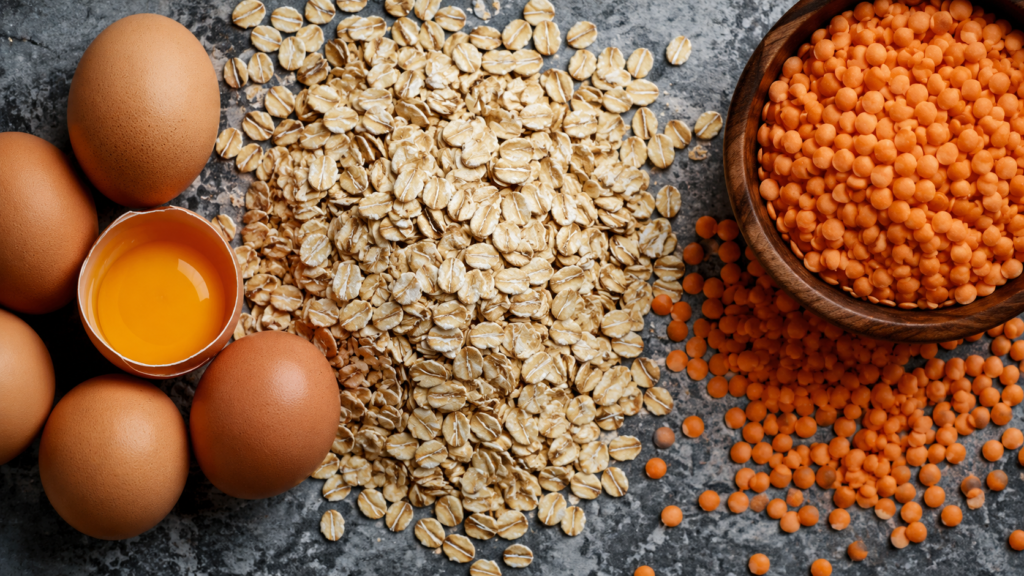
Eating healthy sounds expensive until you know where to look. The truth is that some of the most nutritious foods on the planet cost less than a dollar per serving. This guide gives you 10 budget foods ranked by nutritional value, with real average prices from US grocery stores, so you can fill your cart with confidence and not clean out your wallet.
Prices below are based on average national grocery store data from 2025 to 2026, including store-brand options. Your local prices may vary slightly, but the per-serving costs listed here are consistent across most major US retailers.
Each food was chosen based on its nutritional density, meaning the amount of vitamins, minerals, protein, or fiber it delivers relative to its cost.
The 10 Best Budget Foods Ranked by Nutritional Value
This list is ranked by how much nutrition you get per dollar, not by popularity or trend. Every food below costs less than $2 per serving, and most cost far less than that.
1. Eggs — $0.25 to $0.35 Per Egg

Eggs are often called the gold standard for protein. One dozen eggs typically costs under $3, which means each egg is incredibly cheap. From a nutritional standpoint, eggs provide a complete protein. This means they contain all nine essential amino acids. Amino acids are the building blocks your body uses to repair muscles and skin.
Eggs are also one of the few natural food sources of vitamin D, which helps your bones stay strong. They contain a nutrient called choline. Choline is essential for brain health and helps your nerves send messages throughout your body. Because you can boil, scramble, or fry them, they are one of the most versatile healthy cheap foods under $2.
2. Lentils — $0.20 to $0.40 Per Serving
One pound of dried lentils costs around $1.50 and gives you roughly six servings. That makes lentils one of the best plant-based protein sources for the price. A single cooked cup provides about 18 grams of protein and 16 grams of fiber.
Lentils are also high in folate and iron, two nutrients that many Americans do not get enough of. Their fiber content helps slow the absorption of sugar into your bloodstream, which supports blood sugar control and heart health.
3. Canned Sardines — $1.00 to $1.50 Per Can
Sardines are the budget version of salmon, and in some ways they beat it. A single can delivers around 1,000 to 1,500 milligrams of omega-3 fatty acids, which support heart health, reduce inflammation, and help brain function.
Because sardines are eaten with their bones, they are also an excellent source of calcium. Each can provides a full serving of vitamin B12, a nutrient critical for nerve health. Look for sardines packed in water or olive oil to keep sodium on the lower end.
4. Rolled Oats — $0.15 to $0.25 Per Serving
A large container of rolled oats usually costs less than $4 and can provide more than 20 servings. This makes oats one of the most affordable superfoods you can buy. Oats contain a special type of fiber called beta-glucan. Science shows that beta-glucan can help lower bad cholesterol levels in your blood.
Oats are also slow-burning carbohydrates. This means they give you steady energy throughout the morning instead of a quick sugar crash. They are rich in magnesium, a mineral that helps your muscles relax and helps your body produce energy. Whether you eat them hot or soak them overnight in the fridge, oats are a top-tier budget grocery food.
5. Frozen Spinach — $0.30 to $0.50 Per Serving
A lot of people skip frozen spinach thinking fresh is better. Research says otherwise. Frozen spinach is blanched right after harvest, which locks in most of its nutrients. You get high levels of iron, folate, vitamin K, and antioxidants like lutein at roughly half the price of fresh.
Vitamin K is essential for blood clotting and bone health, and most Americans fall short of the daily recommended amount. A 10-ounce bag of frozen spinach costs about $1.50 and gives you four to five servings. Using frozen spinach in smoothies or pasta sauce is an easy way to add vitamins to your diet for a very low price.
6. Bananas — $0.20 to $0.30 Per Banana

Bananas are consistently the cheapest fruit per serving at most US grocery stores. Each banana gives you about 422 milligrams of potassium, which supports healthy blood pressure and muscle function. They are a strong source of vitamin B6, which your body needs to produce serotonin and dopamine.
Bananas also contain prebiotic fiber, which feeds the good bacteria in your gut. If you exercise regularly, eating a banana before or after a workout can help replace muscle glycogen and reduce cramping.
7. Canned Black Beans — $0.25 to $0.40 Per Serving
A standard 15-ounce can of black beans costs about $1 and gives you roughly three servings of plant-based protein and fiber. Each serving contains around 7 grams of protein and 8 grams of fiber, making them one of the most filling foods on this list.
Black beans are also loaded with antioxidants and magnesium, a mineral involved in more than 300 bodily processes. The sodium content is worth noting, but rinsing canned beans under water for 30 seconds removes up to 40 percent of it.
8. Sweet Potatoes — $0.50 to $0.90 Per Potato
One medium sweet potato costs less than a dollar and is nutritionally one of the most complete vegetables you can buy. It is loaded with beta-carotene, which your body converts to vitamin A for eye and immune health.
You also get a solid dose of vitamin C, potassium, and slow-digesting carbohydrates that will not spike your blood sugar the way white bread or white rice can. If you are looking for a more filling, more nutritious swap for refined carbs, sweet potatoes are one of the easiest upgrades you can make.
9. Peanut Butter — $0.15 to $0.25 Per Serving

A standard 16-ounce jar of peanut butter provides about 30 servings at a cost of roughly $3 to $4, making each serving one of the cheapest healthy snacks available. Each two-tablespoon serving delivers around 8 grams of protein, healthy monounsaturated fats, vitamin E, and magnesium.
When buying peanut butter, check the ingredient list. The best options contain only peanuts and a small amount of salt. Many commercial brands add hydrogenated oils and sugar that chip away at the nutritional value.
10. Cabbage — $0.20 to $0.35 Per Serving
Cabbage might be the most underrated vegetable in the American grocery store. A whole head typically costs under $2 and lasts several days in your refrigerator, giving you six or more servings. It is high in vitamin C, vitamin K, and fiber.
Cabbage also contains compounds called glucosinolates, which research links to reduced inflammation and lower cancer risk. You can eat it raw in a slaw, roasted in the oven, or stirred into soups. It is one of the most versatile budget vegetables available year-round.
How to Build a Full Day of Eating Under $5 Using This List
Here is a simple example of what a full day of eating looks like using foods from this list. These prices reflect store-brand or standard grocery options.
- Breakfast: Rolled oats with a sliced banana — approx. $0.45
- Snack: Peanut butter on whole grain bread — approx. $0.55
- Lunch: Lentil soup with frozen spinach stirred in — approx. $1.10
- Dinner: Two eggs, black beans, and a roasted sweet potato — approx. $1.80
Total for the Day: approximately $3.90
That is a full day of meals with strong protein, fiber, vitamins, and minerals for under four dollars. You can add sardines to lunch or swap cabbage in at dinner to mix things up without adding much to the cost.
What to Look for When Buying Budget Health Foods
A few simple habits can stretch your grocery budget even further without sacrificing nutrition.
- Check the unit price on the shelf tag, not just the sticker price. A larger bag of oats or lentils almost always costs less per serving than the smaller size.
- Do not assume frozen means inferior. Frozen vegetables are often picked and frozen at peak ripeness, preserving more nutrients than fresh produce that has traveled across the country.
- Store-brand canned goods match name-brand nutrition almost every time. The only difference is the label.
- Rinse canned beans and canned sardines under water before eating. This reduces sodium content significantly without affecting protein or fiber.
- Buy bananas when they are slightly green. They will ripen at home over a few days, giving you more time before they turn.
The Bottom Line
Eating well does not require an expensive grocery haul. The 10 healthiest foods that cost less than $2: eggs, lentils, sardines, oats, frozen spinach, bananas, black beans, sweet potatoes, peanut butter, and cabbage, cover almost every nutritional base your body needs.
Start by picking two or three items from this list on your next grocery run. Build your meals around them, and you will quickly see how far a small budget can go when you know which foods to choose.