
Protein plays a vital role in maintaining muscle mass, supporting immune function, and aiding in recovery from illness or injury. As we age, the body becomes less efficient at processing protein, meaning we need a steady supply throughout the day to meet our needs.
This list features 12 practical protein sources that are easy to prepare, widely available, and suitable for a variety of tastes and dietary preferences. Each one offers a way to keep strength, energy, and overall health in check well into your senior years.
1. Eggs
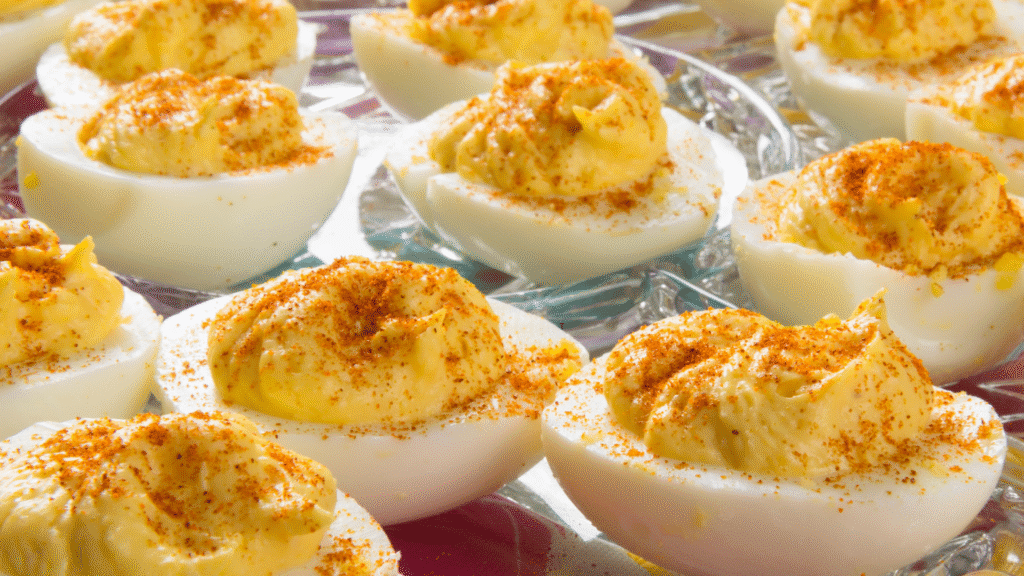
Eggs are one of the most versatile and affordable protein sources, offering about 6 grams of high-quality protein each. They also contain vitamins like B12 and choline, which support brain and nerve function.
They can be boiled for quick snacks, scrambled for breakfast, or added to salads for extra nutrition. Keeping a few boiled eggs in the refrigerator makes it easy to grab protein on the go.
2. Greek Yogurt
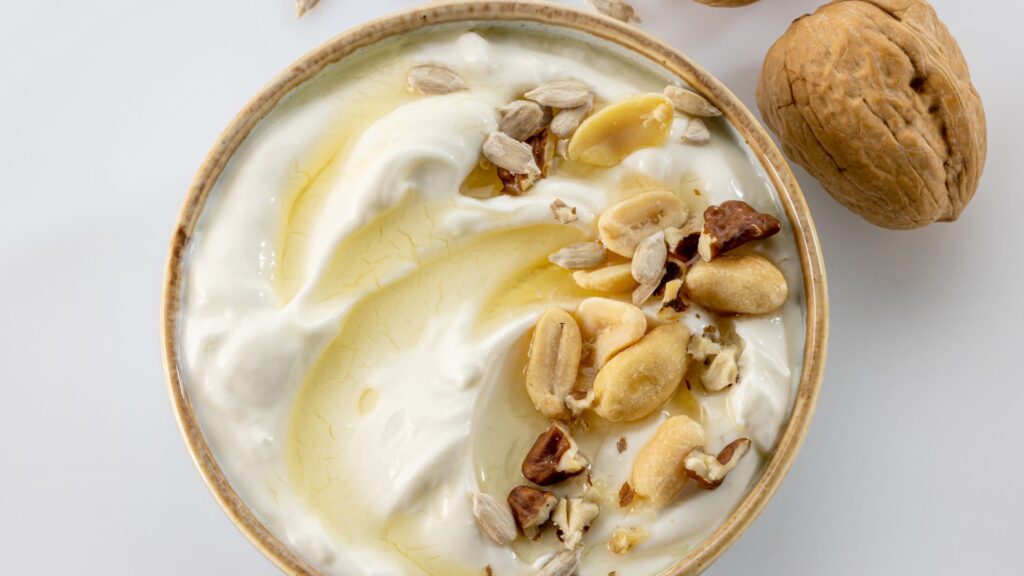
Greek yogurt packs nearly double the protein of regular yogurt, with an average of 15–20 grams per serving. It’s also rich in calcium for bone health and probiotics for digestion.
Enjoy it plain with fresh fruit, or use it as a base for smoothies and dips. Choose unsweetened varieties to limit added sugar while still benefiting from its creamy texture and nutritional punch.
3. Chicken Breast
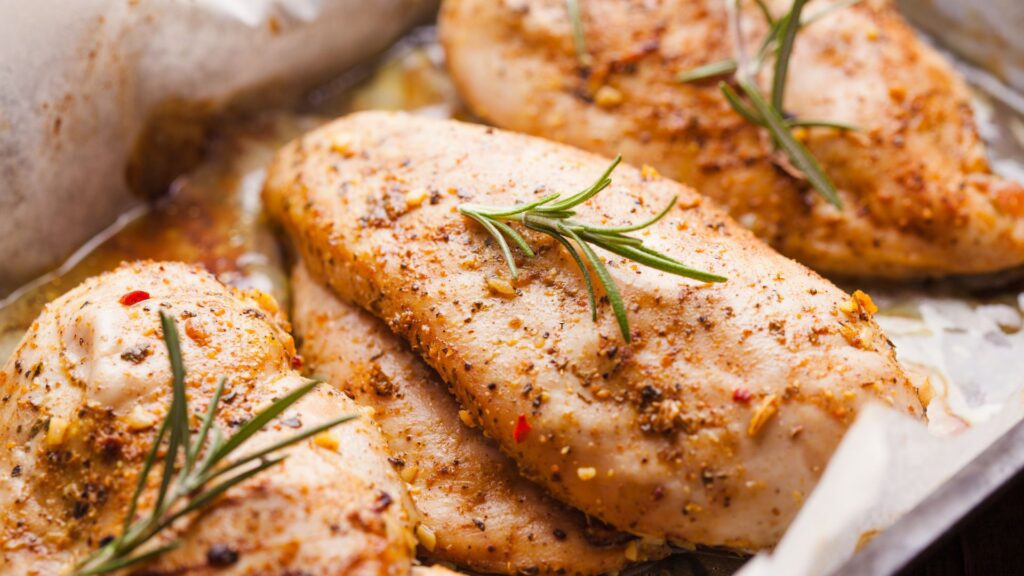
Skinless chicken breast is a lean protein source that provides around 26 grams of protein per 3-ounce serving. Its low fat content makes it an excellent option for heart-conscious seniors.
Bake, grill, or poach chicken in batches to use in sandwiches, salads, or soups. This makes it easier to add protein to meals without much daily cooking.
4. Salmon

Salmon delivers about 22 grams of protein per 3-ounce serving along with omega-3 fatty acids that support brain and heart health. Its healthy fats also help keep you feeling satisfied.
Fresh or frozen fillets can be baked or pan-seared for a quick dinner. Canned salmon is a shelf-stable option that works well in salads or mixed with vegetables.
5. Cottage Cheese

Cottage cheese offers around 14 grams of protein per half cup, making it a convenient choice for breakfast or snacks. It’s also a good source of calcium and phosphorus for bone strength.
Pair it with fruit for a sweet combination or mix it with herbs for a savory side dish. Low-fat or full-fat versions both provide the same amount of protein.
6. Lentils
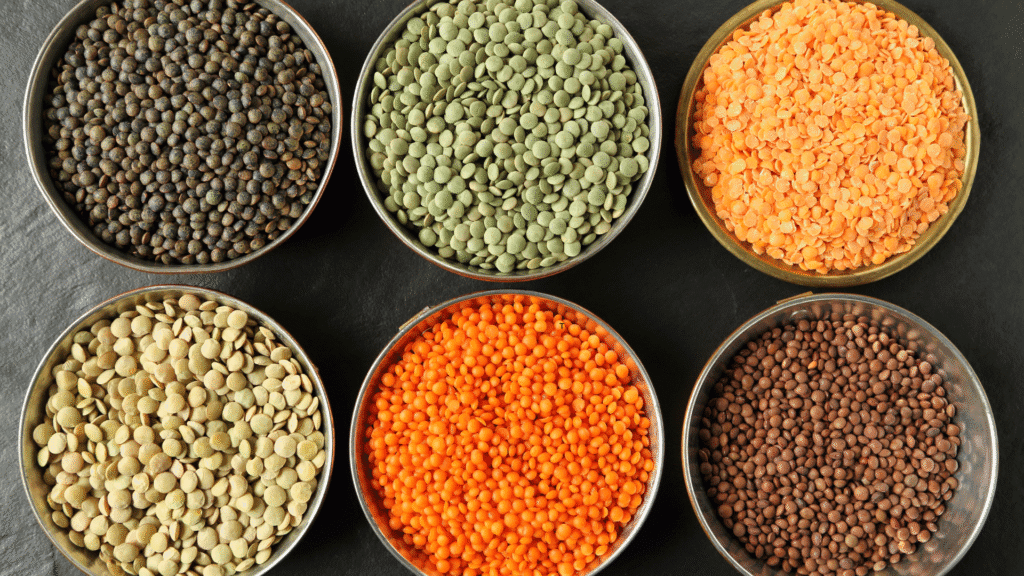
Lentils are a plant-based powerhouse with about 18 grams of protein per cooked cup. They’re also high in fiber, which helps maintain healthy digestion and stable energy levels.
They can be added to soups, stews, or salads, or served as a side dish. Because they cook faster than other legumes, they’re a good choice for quick weeknight meals.
7. Tofu

Tofu is made from soybeans and offers around 10 grams of protein per half cup, along with iron and calcium. It easily absorbs flavors from marinades and sauces, making it adaptable for many dishes.
Cube it into stir-fries, grill it for sandwiches, or crumble it into scrambled eggs for extra protein. Choosing calcium-set tofu can also help with bone health.
8. Lean Beef

Lean cuts of beef, such as sirloin or tenderloin, provide around 22 grams of protein per 3-ounce serving. They’re also rich in iron and vitamin B12, both important for energy and red blood cell production.
Cooking larger portions and slicing them for use in salads or wraps can make it easier to enjoy beef without overdoing portion sizes.
9. Chickpeas

Chickpeas offer about 15 grams of protein per cooked cup and are also high in fiber and minerals. They can be eaten whole, mashed, or pureed into hummus for a spreadable option.
Roast them with spices for a crunchy snack or add them to stews and pasta dishes. Canned chickpeas are a convenient choice and only need a quick rinse before use.
10. Peanut Butter
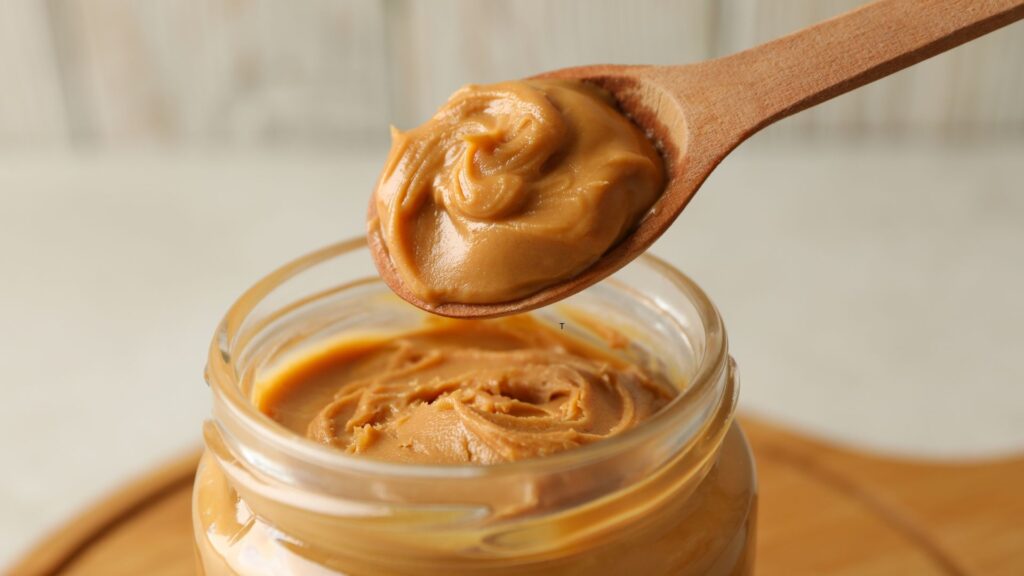
Peanut butter provides about 8 grams of protein in two tablespoons and is also a source of healthy fats. It’s easy to store, affordable, and can be added to meals or snacks in seconds.
Spread it on whole-grain toast, mix into oatmeal, or blend into smoothies. Look for natural varieties with no added sugar or hydrogenated oils.
11. Quinoa
Quinoa is one of the few plant-based foods that contains all nine essential amino acids, making it a complete protein. One cooked cup provides about 8 grams of protein along with magnesium and fiber.
It works well as a base for grain bowls, in salads, or as a side in place of rice. Cooking a batch ahead of time allows you to use it in multiple meals throughout the week.
12. Sardines
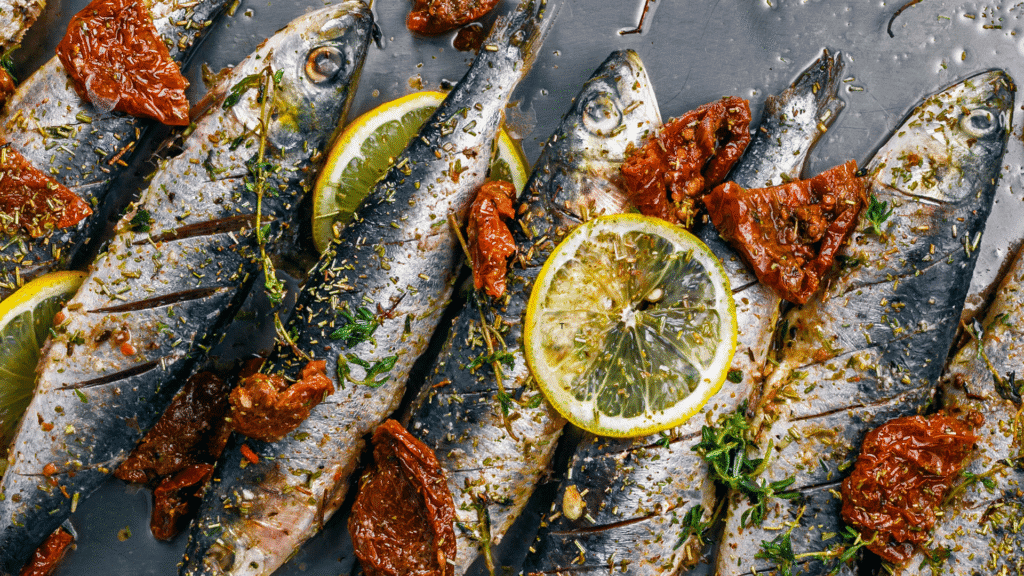
Sardines offer around 23 grams of protein per can and are rich in omega-3 fatty acids and vitamin D. Because they are eaten with their soft bones, they also provide calcium for bone strength.
They can be enjoyed on whole-grain crackers, added to salads, or mixed into pasta dishes. Canned sardines are inexpensive, portable, and require no refrigeration until opened.
Conclusion
Protein is an essential building block for maintaining strength, mobility, and resilience as we age. By choosing a variety of sources, both animal-based and plant-based, you can meet your daily needs while enjoying different flavors and textures.
Including these protein-rich foods regularly supports not only muscle health but also overall vitality. Even small, steady changes in your eating habits can help you feel stronger and more energetic in your 60s, 70s, and beyond.