
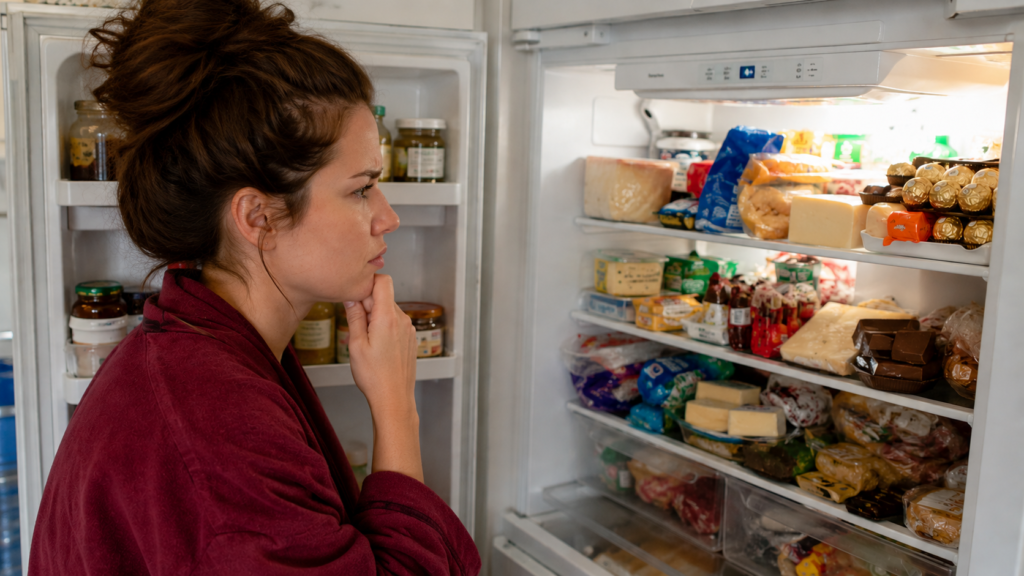
It is 3 in the afternoon and you are not even that hungry. But out of nowhere, all you can think about is something sweet. Or maybe it is late at night, and you find yourself standing in front of the fridge, searching for something salty, creamy, or crunchy and you are not even sure why.
Sound familiar? Food cravings happen to almost everyone. Most people blame a lack of willpower or self-control, but science tells a very different story. Your cravings are actually messages. Your brain and body are constantly communicating with you, and a craving is one of the loudest signals they send.
This guide will walk you through exactly why you crave certain foods, what those cravings mean, why they tend to hit at specific times, and what you can do about them without punishing yourself in the process.
What Is a Food Craving and Why Does It Happen?
A food craving is an intense urge to eat a specific food. It is different from general hunger, which is a slow, gradual feeling that almost any food can satisfy. A craving is targeted. It wants what it wants.
Here is the basic science behind it: Your brain has a reward system built around a chemical called dopamine. When you eat certain foods, especially ones that are sweet, salty, or fatty, your brain releases dopamine and registers the experience as pleasurable. Over time, your brain learns to anticipate that pleasure. When stress, boredom, fatigue, or a nutrient gap shows up, your brain reaches back into its memory and says, “last time we felt like this, that food helped.” That is where the craving comes from.
Cravings are not random. They almost always have a cause, whether physical, emotional, hormonal, or behavioral. Understanding that cause is the first step toward responding to your body in a smarter way.
Is Your Body Actually Hungry or Is Something Else Going On
Before you can decode what a craving means, you need to know whether your body is physically hungry or emotionally driven. These two states can feel similar but they are very different.
Here is a simple self-check you can run the next time a craving hits.
| Signal | Physical Hunger | Emotional Craving |
|---|---|---|
| How it starts | Builds slowly and gradually | Comes on suddenly and feels urgent |
| What it accepts | Any food will do | Only one specific food will satisfy it |
| After eating | Fades once you are full | Can continue even past fullness |
| Timing | Linked to hours since your last meal | Can appear right after a full meal |
| Common trigger | Your body needs fuel | Stress, boredom, sadness, or habit |
Most people experience both types at different points. Knowing which one you are dealing with does not mean you ignore the craving. It means you can respond to it more wisely.
What Your Body Is Trying to Tell You Based on What You Are Craving
This is the core of the conversation. Different cravings point to different things happening inside your body. Here is a breakdown of the most common ones.
Sugar and Sweets

If you constantly find yourself reaching for candy, cookies, or sugary drinks, your body may be signaling an energy crash. When blood sugar drops after a meal or a long gap between eating, the brain pushes you toward fast fuel. Sugar delivers glucose quickly, which is exactly what the brain is asking for.
Ongoing sugar cravings can also point to low magnesium or chromium levels, two minerals that play a role in how the body processes glucose. Poor sleep is another major driver. A single night of bad sleep increases levels of ghrelin, the hunger hormone, and nudges the brain toward high-calorie, sugary foods.
Better options to reach for: fresh fruit, sweet potato, a small square of dark chocolate, or a handful of dates. These satisfy the craving while giving your body more useful nutrients than a candy bar.
Salty Foods
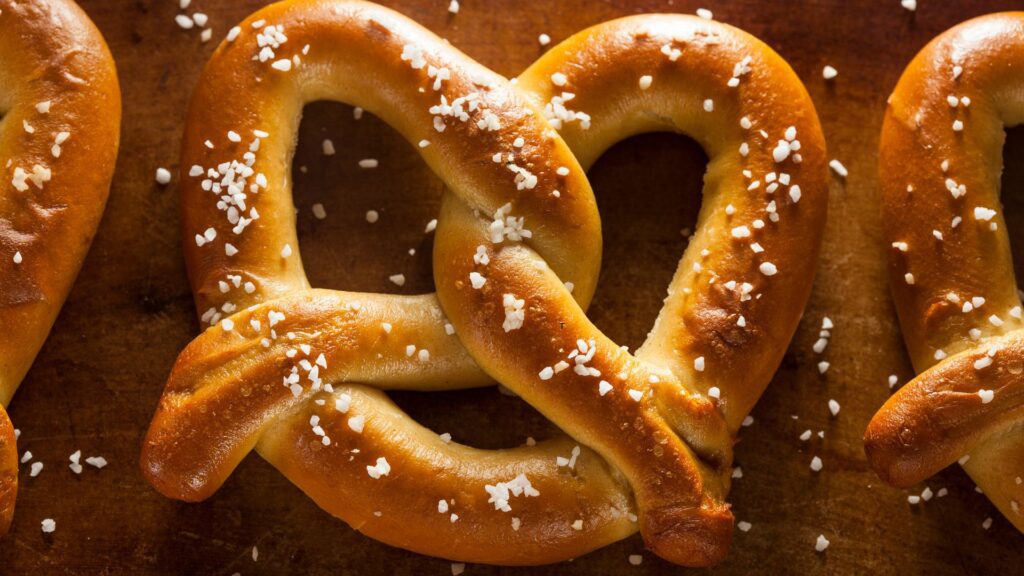
A strong pull toward chips, fries, pretzels, or anything salty often points to a few different things. Dehydration is one of the most common causes. When your body loses fluids, it also loses electrolytes including sodium, and it tries to restore the balance by making you want salt.
Stress is another big factor. The hormone cortisol, which rises when you are stressed, can increase your body’s demand for sodium. Heavy exercise, hot weather, or any activity that causes significant sweating can also deplete salt stores and trigger a craving.
Better options to reach for: lightly salted nuts, olives, avocado with a pinch of sea salt, or an electrolyte drink without added sugar. And drink a full glass of water first. You may just be thirsty.
Fatty or Greasy Foods

Cravings for fried chicken, pizza, burgers, or anything rich and greasy can reflect a few different needs. Your body requires essential fatty acids, specifically omega-3 and omega-6 fats, to function properly. If your diet has been low in healthy fats, your brain may push you toward any fat source it can find, including the greasy kind.
Aggressive calorie restriction is another trigger. When the body is running below its energy needs for an extended period, it tends to crave calorie-dense foods as a survival response. Emotional comfort is also part of the picture. High-fat foods trigger the release of feel-good chemicals in the brain, which is why they are so commonly tied to stress eating.
Better options to reach for: avocado, salmon or sardines, full-fat Greek yogurt, walnuts, or a tablespoon of nut butter. These deliver the fats your body actually needs.
Chocolate

Chocolate deserves its own section because it is one of the most common cravings in America, and it has a specific story behind it.
Chocolate is naturally high in magnesium. When your body is low on magnesium, which is extremely common due to modern diets being heavy in processed foods, you may find yourself craving chocolate without understanding why. Magnesium plays a role in over 300 bodily functions including muscle relaxation, sleep quality, and mood regulation.
Chocolate also stimulates serotonin, the feel-good brain chemical. When serotonin is low, such as during PMS, periods of low sunlight, or high stress, the brain looks for ways to boost it. Chocolate happens to be one of the fastest shortcuts.
Better options to reach for: dark chocolate with 70 percent cacao or higher gives you a meaningful amount of magnesium with less sugar. Pumpkin seeds, spinach, almonds, and black beans are also excellent magnesium sources.
Bread, Pasta, and Carbs
When you cannot stop thinking about toast, pasta, or a warm bowl of rice, your brain may be trying to boost serotonin. Carbohydrates help the brain absorb tryptophan, the amino acid that gets converted into serotonin. This is why carb cravings often spike during stressful periods, cold months, or when you are emotionally low.
Blood sugar instability also plays a role. If meals are being skipped or spaced too far apart, the body demands quick energy, and simple carbs are the fastest way to get it.
Better options to reach for: oats, brown rice, sweet potatoes, lentils, and whole grain bread. These give your brain the serotonin support it is looking for without the blood sugar crash that follows simple refined carbs.
Red Meat

A craving for steak, burgers, or red meat often points to an iron or protein deficiency. Iron-deficiency anemia is one of the most common nutritional deficiencies in the United States, particularly among women who menstruate and people who exercise heavily.
The body cannot make iron on its own and needs a steady supply from food. When levels fall, the brain can develop a craving for the most concentrated iron sources available, which includes red meat.
Better options to reach for: if you eat meat, lean cuts of beef or lamb are good sources. If you prefer plant-based options, lentils, kidney beans, tofu, and fortified cereals can help. Pairing these with vitamin C-rich foods helps your body absorb the iron more effectively.
Ice, Chalk, or Non-Food Items

This one is different from the rest and worth paying close attention to. Craving non-food items like ice, chalk, dirt, or raw starch is a condition called pica. It is not a quirk or a habit. It is a recognized medical signal.
Pica is most commonly linked to severe iron deficiency anemia, zinc deficiency, or pregnancy-related nutritional changes. The craving for ice specifically, known as pagophagia, is one of the most documented signs of low iron.
If you or someone you know is regularly craving non-food items, this is not something to manage on your own. A doctor visit and a blood panel to check iron, zinc, and other levels is the right next step.
Cheese and Dairy
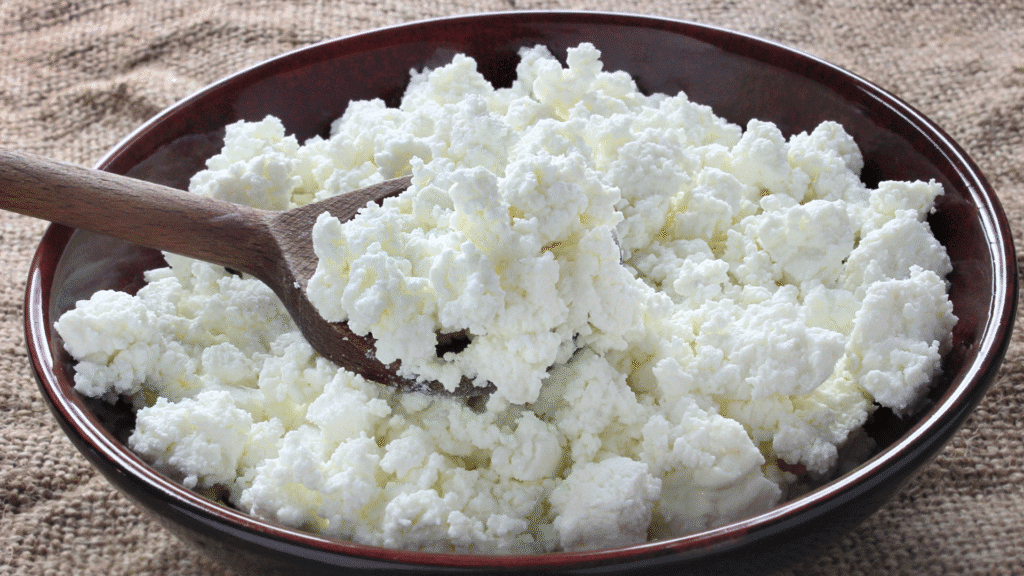
Cravings for cheese, milk, ice cream, or yogurt can reflect a calcium deficiency, a need for dietary fat, or something more interesting at the brain chemistry level. Dairy contains a protein called casein, which breaks down during digestion into compounds called casomorphins. These compounds have a mild, opiate-like effect on the brain, which is part of why dairy can feel so comforting.
Better options to reach for: Greek yogurt, cottage cheese, sardines, and fortified plant milks. These deliver calcium and healthy fats without requiring large quantities of high-fat cheese.
Why You Crave Certain Foods at Certain Times of Day
Cravings do not appear randomly throughout the day. They follow patterns tied to your biology and daily rhythms.
In the morning, blood sugar is naturally lower after an overnight fast. This is why many people wake up craving something sweet or starchy. The body is asking for fuel, and this is one of the more legitimate craving signals you will get all day.
The mid-afternoon window, roughly between 2pm and 4pm, is when cravings tend to be strongest for most people. This is not a coincidence. Cortisol levels dip during this period, energy naturally drops as part of the body’s circadian rhythm, and ghrelin rises. The result is a strong pull toward sugar, caffeine, or salty snacks. This is the window where understanding your body’s biology can save you from a regrettable vending machine decision.
Evening and nighttime cravings work differently. By late evening, serotonin is naturally declining, the day’s stressors have accumulated, and the body is tired. The brain starts reaching for comfort, which usually means high-fat, high-sugar, or high-carb foods. Tiredness is also commonly misread as hunger. Many late-night cravings are actually a signal that your body needs sleep, not food.
How Your Hormones Drive Your Cravings More Than You Think
Hormones are one of the biggest and least talked-about drivers of food cravings. Understanding a few key hormones can completely change how you interpret what your body is asking for.
During the menstrual cycle, progesterone drops in the days leading up to menstruation. This hormonal shift is directly linked to increased cravings for chocolate and carbohydrates. It is not emotional weakness. It is physiology. The body’s serotonin and magnesium needs are genuinely higher during this phase.
Additionally, chronic stress keeps cortisol elevated for extended periods. High cortisol signals the body that it is in survival mode, and thus, the brain prefers high-calorie, energy-dense foods. This is an ancient biological response that is not well-matched to modern stress, but understanding it helps you avoid self-blame.
Sleep deprivation is one of the most powerful craving triggers of all. After a poor night of sleep, ghrelin rises significantly and leptin drops. Ghrelin tells your brain you are hungry. Leptin tells it you are full. When ghrelin goes up and leptin goes down at the same time, you end up in a hormonal environment that makes overeating almost biologically inevitable.
Men also experience hormone-linked cravings. Testosterone fluctuations, especially during periods of caloric restriction or heavy training, can drive strong cravings for protein and fat as the body tries to protect muscle mass.
How to Handle Cravings in a Way That Actually Works
Managing cravings is not about willpower, but about creating conditions where cravings do not have to work so hard to get your attention.
Eat at Regular Intervals
Skipping meals or going long stretches without food is one of the fastest ways to trigger intense cravings. When blood sugar drops too low, your brain goes into emergency mode and demands fast fuel. Keeping meals consistent throughout the day removes this trigger before it starts.
Prioritize Sleep
This is not just general wellness advice. Sleep is one of the most powerful craving regulators your body has. Even one extra hour of quality sleep can meaningfully reduce next-day cravings for junk food by keeping ghrelin and leptin in better balance.
Drink Water Before You React
Thirst is frequently misread as hunger or a food craving. Before responding to a craving, drink a full glass of water and wait two minutes. You may find the craving loses its intensity or disappears entirely if dehydration was the real cause.
Fill Nutrient Gaps With Real Food
If your cravings keep pointing to the same food type, a nutritional deficiency may be involved. A blood panel from your doctor can confirm or rule this out. Whole food sources are generally more effective and safer than supplements for closing nutritional gaps.
Use Movement as a Pattern Interrupt
A five-minute walk, some light stretching, or a few slow deep breaths can disrupt the stress-craving loop before it leads somewhere you regret. Movement lowers cortisol quickly and gives your brain a non-food way to regulate its chemistry.
Give Yourself Permission to Respond Occasionally
Giving in to a craving sometimes is not a failure. When a craving comes from a real physiological need, responding to it is the right call. The goal is to understand your cravings, not suppress every single one. Guilt tends to make the cycle worse, not better.
When Your Cravings Might Be Telling You Something More Serious
Most cravings are manageable and explainable. But some patterns are worth paying attention to more carefully.
First, pay attention if you are craving non-food items such as ice, dirt, chalk, or raw starch for more than a week. This should always be evaluated by a doctor, as it may point to iron deficiency anemia or another condition that needs proper diagnosis.
Second, watch out for constant, unrelenting sugar cravings that eating regularly does not relieve. This could point to blood sugar dysregulation or early insulin resistance, both of which respond well to early intervention.
Third, take note if intense salt cravings come alongside fatigue, dizziness, or low blood pressure. This combination may suggest an adrenal issue that deserves medical attention rather than a dietary tweak alone.
Fourth, consider seeing a professional if persistent fat cravings show up alongside mood instability and difficulty concentrating. This pattern could reflect an essential fatty acid imbalance that a registered dietitian can help address with targeted food changes.
None of these scenarios are reasons to panic. They are reasons to get curious and, if the pattern continues, to make an appointment with your doctor or a registered dietitian. Cravings are data, and sometimes that data needs a professional to interpret it properly.
Frequently Asked Questions About Food Cravings
What does it mean when you crave sugar all the time?
Constant sugar cravings are most often tied to blood sugar instability, poor sleep, or low magnesium. If your meals are inconsistent or low in protein and fiber, your blood sugar may be spiking and crashing throughout the day, which creates a cycle of sugar cravings. Starting with more balanced meals and better sleep is the most effective first step.
Can food cravings mean you are pregnant?
Yes, cravings are very common during pregnancy. Hormonal shifts, particularly rising levels of progesterone and human chorionic gonadotropin, can dramatically change what sounds appealing. The body also has heightened nutritional needs during pregnancy, which can show up as specific cravings. That said, cravings alone are not a reliable sign of pregnancy. Other symptoms matter too.
Why do I crave salty food at night?
Evening salt cravings are often connected to cortisol dropping in the late hours, accumulated dehydration throughout the day, and the brain’s comfort-seeking behavior when energy and mood are low. Drinking more water during the day and eating a balanced dinner with enough protein can reduce this pattern significantly.
How do I stop food cravings naturally?
The most effective natural approaches are consistent meal timing, adequate sleep, proper hydration, and stress management. These four factors address the root causes of most cravings. Chasing down each individual craving with willpower is far less effective than removing the conditions that cause them in the first place.
Your Cravings Are Trying to Help You, Not Hurt You
The most important thing to take away from all of this is that cravings are not the enemy. They are a communication system. When your body is low on a nutrient, running on poor sleep, flooded with stress hormones, or emotionally overwhelmed, it reaches out through cravings because that is one of the most effective signals it has.
Why am I craving this? is actually a very useful question. When you ask it with curiosity instead of guilt, you start to hear what your body is actually saying. Pay attention to the pattern. Notice the timing. Consider what else is going on in your life. And when in doubt, start with the basics: drink some water, eat a balanced meal, get more sleep, and give yourself a little grace.
This article is for informational purposes only and does not constitute medical advice. If you experience persistent or unusual cravings, please consult a qualified healthcare provider or registered dietitian.