
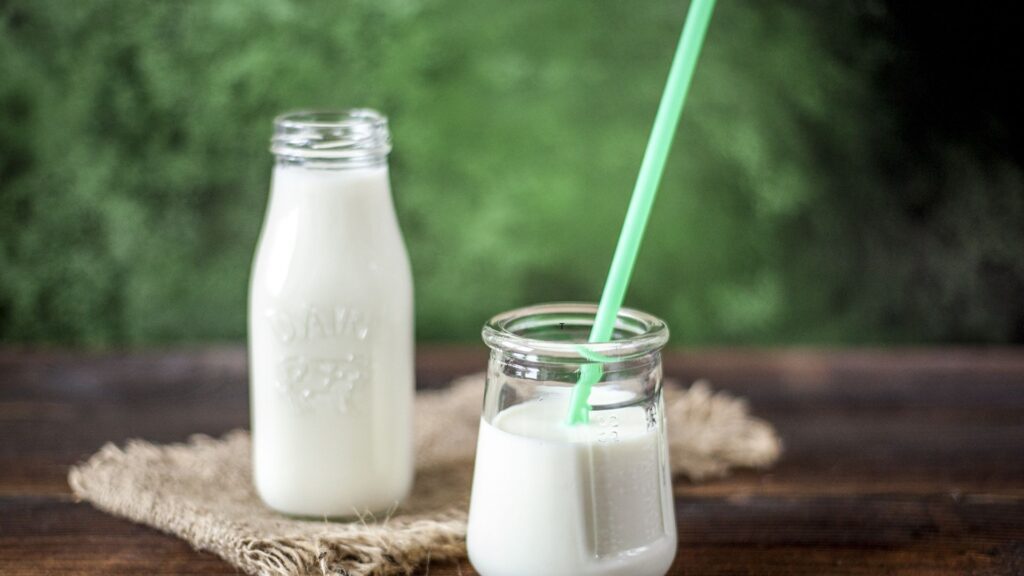
Once limited to farmsteads and fringe health circles, raw milk is making a quiet comeback. But along with the hype come serious questions about its fat content, calorie load, and potential safety risks. Some claim it’s a whole food miracle; others warn it’s a public health hazard.
If you’re wondering whether raw milk is a fattening indulgence or a misunderstood nutritional gem, this article is for you. Let’s get the facts straight.
What Makes Raw Milk Different from Pasteurized Milk?
Raw milk comes straight from the cow without being heat-treated. Unlike pasteurized milk, which is heated to kill harmful bacteria, raw milk is bottled as-is, with all its enzymes, bacteria, and fat untouched.
Supporters say raw milk is more “alive” and nutritionally intact. But without pasteurization, it can also carry dangerous pathogens like E. coli, Salmonella, and Listeria, bacteria that pasteurization is specifically designed to destroy.
Is Raw Milk Higher in Fat Than Regular Milk?
Yes, raw milk usually contains more fat than the pasteurized milk sold in stores. That’s because it hasn’t been skimmed, filtered, or standardized to meet commercial fat percentages. Whole raw milk can contain 3.5% to 5% milk fat, depending on the cow’s breed and diet.
Commercial whole milk, by comparison, is standardized at 3.25% fat. This difference might seem small, but it adds up over time, especially for those who drink milk daily or use it in large quantities.
What Kinds of Fat Are Found in Raw Milk?
Raw milk contains a mix of saturated fat, monounsaturated fat, and small amounts of polyunsaturated fat. It also includes naturally occurring omega-3s and conjugated linoleic acid (CLA), especially if the cows are grass-fed.
These fats can have different effects on the body. Saturated fat has long been linked to heart disease, but newer studies suggest moderate intake may not be as harmful as once thought, especially when it comes from whole food sources like milk. Still, high saturated fat intake isn’t recommended for everyone.
- Also Read: Is Coca Cola Zero Fattening?
So, Does Raw Milk Cause Weight Gain?
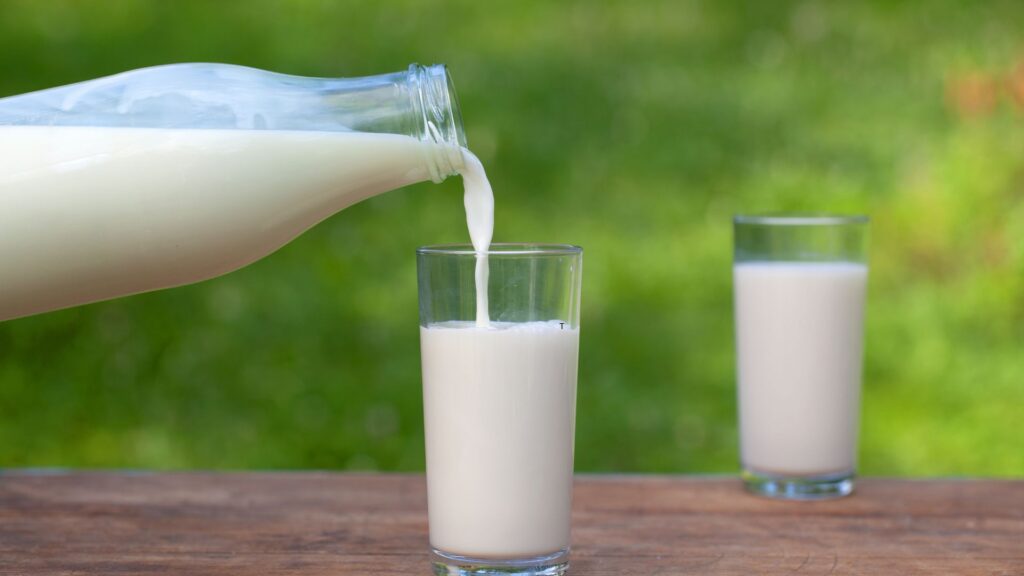
Drinking raw milk won’t automatically lead to weight gain. But like any high-calorie food, overconsumption can add up. Its creamy texture and full-fat content make it more satisfying, but also easier to drink in larger amounts.
That said, raw milk is also filling. The fat and protein may help regulate hunger and reduce the need for snacking. So, whether it leads to weight gain depends on your overall diet and portion control, not the milk alone.
Are There Real Health Benefits to Drinking Raw Milk?
Raw milk fans claim it improves digestion, strengthens immunity, and even helps with allergies. Much of this is credited to its natural enzymes and beneficial bacteria, which are destroyed during pasteurization.
However, science doesn’t fully support all these claims. There’s limited, low-quality research to back the idea that raw milk is significantly healthier. What is true: it contains slightly more vitamin C and certain enzymes than pasteurized milk, but these differences are minor and don’t outweigh the safety concerns.
- Also Read: Is Oat Milk Fattening?
Safety Risks of Drinking Raw Milk
Now, this is where things get serious. Raw milk can carry harmful bacteria that cause severe foodborne illnesses, especially in children, pregnant women, older adults, and people with weakened immune systems.
The CDC and FDA strongly warn against drinking raw milk due to repeated outbreaks linked to unpasteurized dairy. Even on clean farms with healthy cows, contamination can happen during milking, storage, or transport. The risks are real, and symptoms can range from stomach cramps to hospitalization or worse.
Wrapping Up: Is Raw Milk Fattening and Risky, or Just Misunderstood?
Raw milk isn’t inherently bad but it’s not as “safe and natural” as some make it seem. Yes, it’s higher in fat and calories, which may contribute to weight gain if consumed freely. But it also offers a creamy, satisfying alternative to processed dairy, and some people enjoy it without issues.
The bigger concern is safety. No matter how fresh or clean it looks, raw milk can harbor bacteria that cause serious illness. If you’re considering adding it to your diet, weigh the risks carefully, and consider speaking with a healthcare professional
