
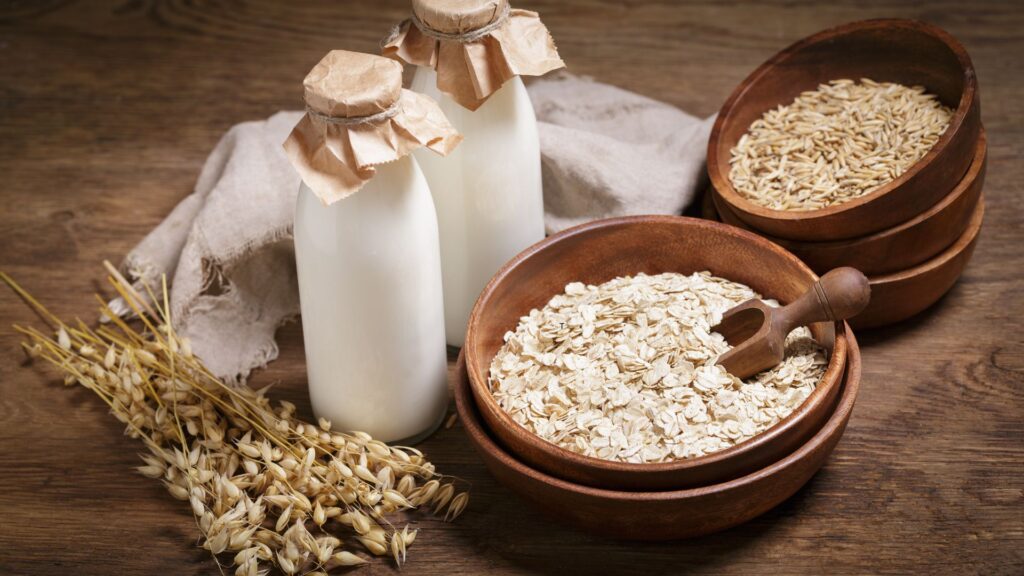
Oat milk has a clean, wholesome image, but the nutrition label tells a slightly different story. If you’re trying to lose weight, it might be worth learning if your favourite oat milk is working for or against you. So, is Oat milk fattening?
In this article, we’ll break down exactly how oat milk stacks up in terms of calories, carbs, fat, and sugar.
How Many Calories Are in a Cup of Oat Milk?
Calorie counts vary by brand, but a typical 1-cup serving of unsweetened oat milk contains between 90 and 120 calories. That’s more than almond milk (around 30–40 calories per cup), but less than whole cow’s milk (roughly 150 calories per cup).
Sweetened or flavored versions can easily top 140–160 calories. The base oat itself contributes natural sugars and starch, which explains the relatively high calorie baseline even before additives.
Is Oat Milk Higher in Carbs Than Other Plant-Based Milks?
Yes, oat milk is generally higher in carbohydrates than most other dairy alternatives. One cup of oat milk typically has 15 to 20 grams of carbs, the majority of which come from naturally occurring sugars in oats.
Compare that to almond milk, which has just 1–2 grams of carbs. Even soy milk only clocks in around 4–5 grams. The reason? Oats are grains. They’re starchier by nature, and that starch gets extracted during the milk-making process.
What’s the Fat Content in Oat Milk?
Oat milk usually has 2 to 5 grams of fat per cup. That’s moderate compared to dairy milk, which has around 8 grams, and soy milk, which often has 4–5 grams. Most of the fat in oat milk is unsaturated—so it’s the kind that supports heart health.
However, some brands add oils like rapeseed (canola) or sunflower to improve creaminess. These additions can increase the fat content and change the nutrition profile. Always check the ingredients to see if oil plays a starring role.
So, Can Oat Milk Make You Gain Weight?
The truth is that anything can lead to weight gain if consumed in excess, and oat milk is no exception. Because of its carb and calorie content, drinking multiple cups per day, especially sweetened versions, can add up quickly.
Oat milk is not inherently “fattening,” but it’s more energy-dense than some people realize. The problem arises when people treat it like flavored water, rather than a source of liquid calories. Two cups of sweetened oat milk could easily add 300+ calories to your day. That’s a meaningful bump, especially if you’re not tracking it.
Does Oat Milk Help With Feeling Full?
Oat milk contains a type of soluble fiber called beta-glucan, which slows digestion and promotes a feeling of fullness. This can help curb hunger between meals, especially if you’re using it as part of a smoothie or breakfast.
That said, the overall fiber content in oat milk is relatively low, about 1 to 2 grams per cup, so the satiety benefits are subtle, not dramatic. It can help with portion control, but it won’t replace solid food when it comes to staying full.
How Oat Milk Compare to Almond, Soy, and Dairy
Oat milk sits in the middle of the plant-based spectrum. It’s creamier and more calorie-dense than almond or rice milk, but not as protein-rich as soy milk or cow’s milk. Here’s a quick comparison per cup:
| Milk Type | Calories | Carbs | Fat | Protein |
| Oat (unsweetened) | 90–120 | 15–20 | 2–5 | 2–4 g |
| Almond (unsweet.) | 30–40 | 1–2 | 2–3 | 1 g |
| Soy (unsweetened) | 80–100 | 4–5 | 4–5 | 7–9 g |
| Whole Dairy Milk | 150 | 12 | 8 | 8 g |
How Much Oat Milk Is Too Much?
Now, one to two cups a day is reasonable for most adults. If you’re drinking more than that regularly, especially in sweetened forms, you could unknowingly tip your calorie balance.
Think of oat milk as a food, not just a beverage. It’s best used as part of a meal or recipe, not as something you sip all day like water.
Is Oat Milk a Good Option for People Trying to Lose Weight?
The answer depends on the type and how much you’re drinking. Unsweetened oat milk can absolutely fit into a weight-loss diet. It’s satisfying, versatile, and tastes better than many other plant-based options.
However, if you’re loading up on flavored or barista-style versions, you’re also loading up on extra sugar and calories. For weight loss, always opt for unsweetened and measure your portions, especially in smoothies, baking, and coffee drinks.
Final Thoughts: So, Is Oat Milk Fattening?
Oat milk isn’t fattening by default but it’s also not a free pass. Its naturally sweet flavor and creamy consistency make it easy to love, but they come with a higher calorie and carb count than most other plant-based milks.
For health-conscious consumers, the smartest choice is unsweetened oat milk in controlled portions. As with any food, balance and awareness are everything. Oat milk can fit into your diet, it just shouldn’t flood it.
