
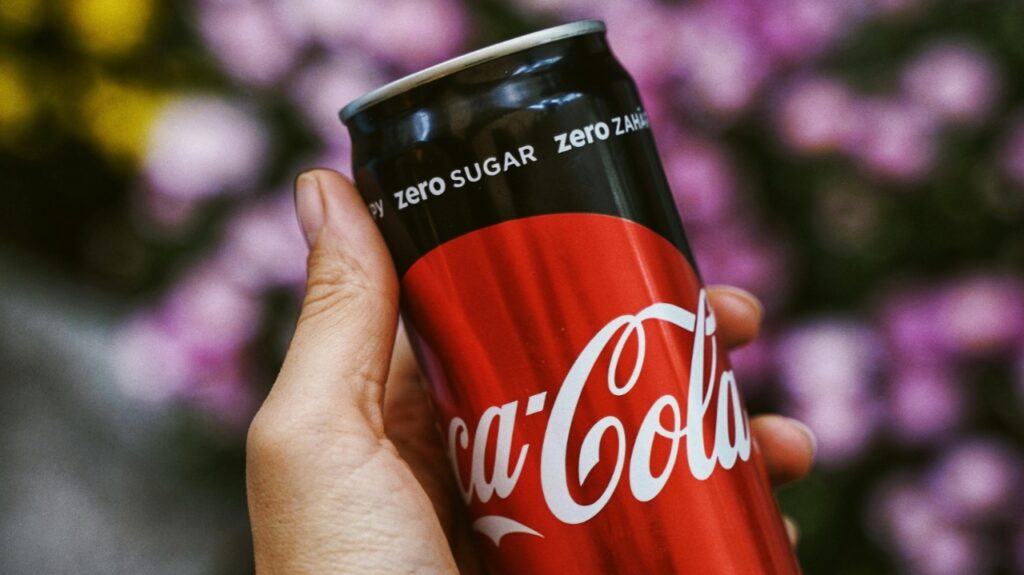
Coca-Cola Zero has become a go-to for people looking to enjoy the taste of soda without the calories. Marketed as a zero-sugar, zero-calorie beverage, it’s often considered a “safe” choice in weight management and sugar-restricted diets.
But how accurate is that assumption? This article breaks down the ingredients, metabolic effects, and scientific findings to answer the question: Is Coca-Cola Zero fattening?
Table of Contents
ToggleWhat’s Inside Coca-Cola Zero?
At first glance, the nutrition label on Coca-Cola Zero looks reassuring. It has no sugar, no calories, and no fat. But its sweetness comes from artificial sweeteners, which can affect the body differently than sugar.
The two main ingredients responsible for the sweet taste are aspartame and acesulfame potassium. These are both low- or no-calorie sugar substitutes approved by major health authorities. While they don’t provide energy (calories), they still interact with taste receptors and may influence eating habits indirectly.
Does Zero Calories Mean Zero Weight Gain?
The body stores excess calories as fat, so drinks with no calories should, in theory, not cause weight gain. But studies suggest that zero-calorie sweeteners might influence appetite, insulin response, or even gut bacteria, which could affect long-term weight trends.
Some people find themselves craving sweets more often after drinking diet sodas, which can lead to overeating. Others may assume they’ve saved calories and then compensate by eating more later, which cancels out the calorie savings.
How Your Body Responds to Artificial Sweeteners
Artificial sweeteners don’t provide energy, but they still send signals to the brain. Some researchers think this could confuse the body’s natural hunger cues. Others suggest sweet taste without calories might disrupt the balance between hunger and satisfaction.
There’s also growing interest in how these sweeteners affect gut microbiota, the bacteria in your digestive system. Some studies show they may alter the gut in ways that affect metabolism, but the evidence is still developing.
Should You Be Drinking Coca-Cola Zero?
Research on the effects of diet soda is mixed. Some studies show no change in body weight, while others link frequent consumption to higher body mass index (BMI) or increased belly fat over time.
If you’re trying to cut down on sugar or manage your calorie intake, Coca-Cola Zero might help. It offers the taste of soda without the energy that comes with regular sugar-sweetened drinks. For many people, it can be a tool for managing cravings or reducing their overall sugar consumption.
However, it’s not a free pass to drink unlimited quantities. Pay attention to how your body reacts. If it leads to cravings or changes your eating patterns, it may not support your health goals as expected.
What To Take Instead Of Coke Zero?
If you’re looking for alternatives to Coke Zero that are better for long-term health or simply want to avoid artificial sweeteners, here are some solid options:
1. Sparkling Water with Natural Flavor
Unsweetened and calorie-free, sparkling water like LaCroix, Spindrift, or Perrier offers the fizzy sensation without the additives. Spindrift uses real fruit juice for flavoring, which adds minimal calories and no artificial sweeteners.
Best for: People who want fizz without sweetness.
2. Infused Water
Add slices of lemon, cucumber, mint, or berries to cold water. This adds natural flavor and a refreshing twist without sugar or chemicals.
Best for: Daily hydration with zero guilt.
3. Cold Brew Tea (Unsweetened)
Iced herbal or green teas without sugar or sweeteners can be a great substitute. Brands like Pure Leaf Unsweetened or Tejava offer bottled options.
Best for: Antioxidants and mild caffeine without artificial additives.
4. Kombucha (Low-Sugar)
This fermented tea has a tangy taste and natural fizz. Some brands like Health-Ade or GT’s Synergy offer low-sugar varieties.
Best for: Gut health and those reducing soda, not avoiding sugar entirely.
5. Black Coffee or Cold Brew
If you’re turning to Coke Zero for the caffeine, black coffee or cold brew is a cleaner alternative. No sugar, no sweeteners, just caffeine and antioxidants.
Best for: Morning energy without chemicals.
Conclusion
Coca-Cola Zero isn’t fattening in the traditional sense, it doesn’t contain calories or fat that your body can store. But how it affects weight over time depends on your overall eating habits and how your body responds to artificial sweeteners.
For some, it can be a helpful switch from high-calorie sodas. For others, it might trigger cravings or overeating. The best approach is to observe how it fits into your routine and make adjustments based on your personal results.