
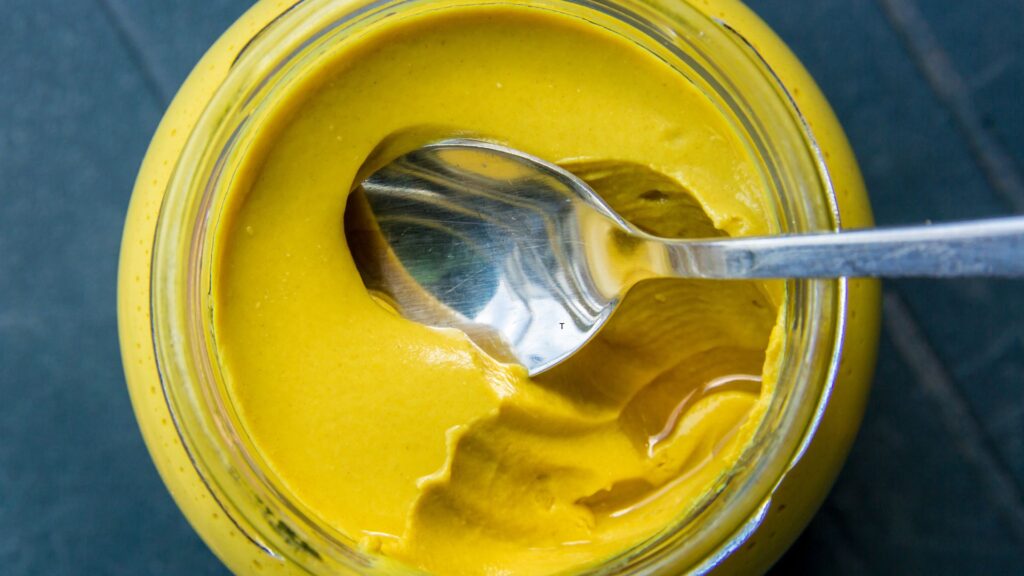
When browsing the condiment aisle or planning to spice up a sandwich, you might notice jars labeled Dijon mustard and spicy brown mustard. While both offer a sharper bite than classic yellow mustard, they are not identical.
This article breaks down the differences between the two, looking at taste, texture, ingredients, and how each is typically used. By the end, you’ll know which suits your recipe or meal better.
Table of Contents
ToggleHow They Compare in Flavor and Texture
Dijon mustard and spicy brown mustard have bold flavors, but they don’t taste the same. Dijon mustard is smoother, tangier, and sharper, with a clean finish. It uses white wine or wine vinegar, giving it a refined, acidic profile.
Spicy brown mustard, in contrast, is grainier and has a deeper, earthier heat.
The Role of Vinegar and Wine
The acidity in Dijon comes from wine vinegar or white wine, which softens its edge and adds depth. Spicy brown mustard uses more pungent vinegar, often malt or apple cider, which contributes to its more robust and pungent taste.
These differences shape how each mustard behaves in sauces, dressings, and spreads.
Texture Differences You Can See and Taste
Spicy brown mustard contains partially ground seeds, giving it a coarse and slightly crunchy feel. Dijon is much smoother since the seeds are finely ground.
This change in texture impacts not just mouthfeel, but also how well the mustard blends with other ingredients.
Ingredients and Seed Types Matter
What sets these two apart at a basic level is the type of mustard seeds and liquids used. Dijon mustard is made using brown or black mustard seeds, combined with wine or wine vinegar.
Spicy brown mustard also uses brown seeds, but the soaking liquid and processing method change the end result.
How Soaking Methods Impact Heat
Before grinding, the seeds are soaked in acidic liquid. Dijon’s wine-based soak produces a milder heat.
Spicy brown mustard skips this mellowing and keeps the husks on, which delivers a more intense bite. It also gives it a darker color and a stronger aroma.
Additives and Flavors
Dijon mustard usually sticks to minimal ingredients—seeds, wine or vinegar, salt, and sometimes water. Spicy brown may include spices like cinnamon, nutmeg, or horseradish, depending on the brand.
This gives it a complex, layered taste that’s more aggressive on the palate.
Common Uses in the Kitchen
Though both can be used on sandwiches or in dressings, they tend to shine in different roles. Dijon is often found in salad dressings, glazes, and as an emulsifier in vinaigrettes.
Spicy brown mustard holds up well to bold flavors and heartier meats. It’s a favorite in New York-style delis, especially on pastrami or corned beef. Its coarse texture adds a satisfying contrast to soft bread or creamy toppings.
Regional and Historical Origins
Dijon mustard originated in France, named after the town of Dijon in Burgundy. Its method was developed in the 19th century, although mustard-making in the region dates back even further. The recipe spread quickly due to its clean, versatile flavor.
Spicy brown mustard, on the other hand, traces its popularity to American delis, especially in the Northeast. It evolved to suit bolder food choices and larger sandwiches. Its flavor mirrors the assertiveness of the foods it complements.
Can One Replace the Other?
While both mustards share a similar base, they don’t always work as substitutes. If texture and flavor intensity matter, swapping one for the other may change the dish.
In recipes requiring emulsification or a mild bite, Dijon is the better pick. For hearty sandwiches or bold meats, spicy brown delivers the punch that’s needed.
What to Keep in Mind
If substituting, consider adjusting quantity. Spicy brown can overpower a dish that was meant for Dijon.
Conversely, Dijon might get lost in something built around strong flavors. Tasting as you go is the best way to ensure the final result stays balanced.
Wrapping Up
Dijon mustard and spicy brown mustard are often confused due to their shared seed base and bold flavors. However, their differences in ingredients, processing, and taste profiles make each better suited for different uses.
Dijon’s smoothness and subtle heat lend it to sauces and dressings, while spicy brown’s coarse texture and bold flavor elevate hearty sandwiches and meats.