
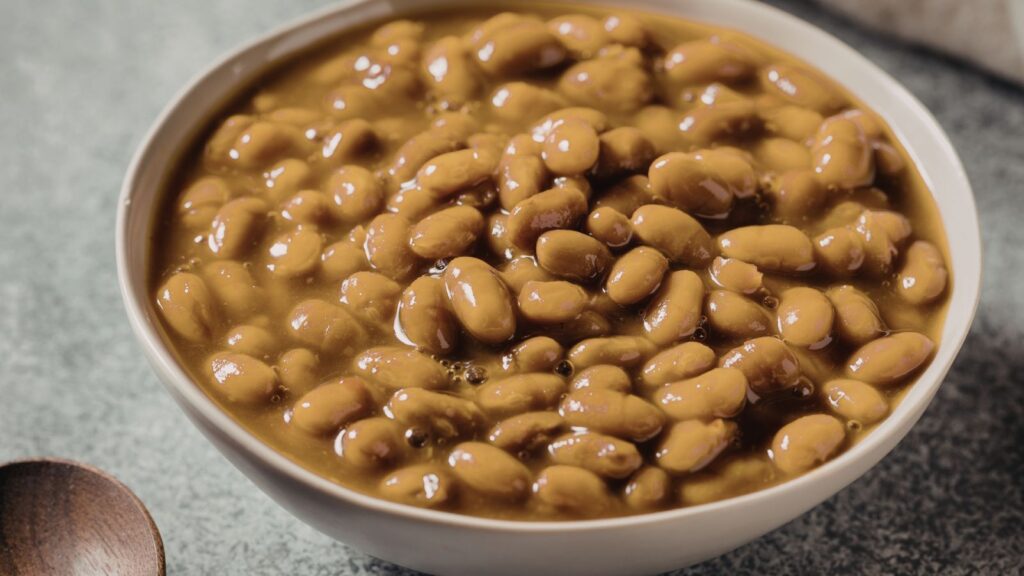
You have likely heard the old playground rhyme about beans being the “musical fruit.” While it is a lighthearted joke, the reality of bean-induced bloating and gas is often enough to make you skip the three-bean chili or the hummus wrap.
This is a missed opportunity for your nutrition because beans are some of the most nutrient-dense foods available. They provide protein, fiber, and essential minerals that support heart health and weight management.
You do not have to choose between your social life and your health. The digestive side effects of eating beans are not a permanent sentence.
The Science: Why Do Beans Cause Gas?
To solve the problem, you first need to identify the cause. The primary reason beans cause gas is a specific group of complex sugars. Dry beans contain raffinose-family oligosaccharides (RFOs), including raffinose, stachyose, and verbascose.
The Human Limitation
Your body is an incredible machine, but it has a specific limitation: it does not produce the enzyme needed to break down these RFOs. This enzyme is called alpha-galactosidase. Because you cannot digest these sugars in your mouth or stomach, they travel through your digestive system completely intact. These compounds are associated with flatulence because they are not fully digested before reaching the colon.
The Fermentation Process
Once these undigested sugars reach your large intestine, they meet your gut microbiome. This is the community of trillions of bacteria that live inside you. Gut bacteria ferment these carbohydrates, which can contribute to gas and bloating. As the bacteria break down the sugars, they release gases as a byproduct—primarily hydrogen, nitrogen, and carbon dioxide. This buildup leads to the familiar feeling of pressure and flatulence.
Fiber and Variety
In addition to these sugars, beans are high in fiber. Different bean varieties contain different amounts of gas-associated oligosaccharides. A sudden increase in fiber intake can overwhelm your system if you are not used to it, adding another layer of bulk and gas as your body processes the plant material.
Preparation Hacks: Reducing Gas Before You Cook

The process of reducing gas-producing compounds starts long before the beans hit the stove. Most of the sugars involved are water-soluble, meaning they can be partially removed through careful preparation.
The Soaking Method
Soaking is a common recommendation for anyone cooking dried beans. Soaking beans may reduce gas-causing alpha-galactosides, but the effect depends on soaking conditions such as temperature and pH.
To try this at home, cover your dried beans with several inches of water and let them sit for 8 to 24 hours. As the beans steep, the oligosaccharides leach out into the water. You must discard the soaking water and rinse the beans thoroughly with fresh water before cooking. Using the same water for cooking would mean re-absorbing the sugars you just removed.
The Power of Sprouting
Sprouting or germination-like processing may lower raffinose-family oligosaccharides in beans and lentils. This process involves soaking the beans and then keeping them in a damp environment for a day or two until tiny sprouts appear. This biological process uses up some of the stored sugars in the bean to fuel the growth of the sprout, leaving fewer sugars for your gut bacteria to ferment.
Rinsing Canned Beans
Canned beans are often a convenient choice, and they may be better tolerated by some people because the canning process can reduce some raffinose-family oligosaccharides. However, the liquid in the can is often high in these compounds.
Bean cooking liquid, including the thick liquid in cans known as aquafaba, contains oligosaccharides such as stachyose, raffinose, and verbascose. Draining and rinsing canned beans may remove some soluble compounds, although the exact gas-reduction effect varies. Rinsing until the water runs clear is a simple way to minimize the sugar content before you eat.
Also read: Black beans Vs. Pinto beans
Cooking Techniques for Better Digestion
How you cook your beans can influence how your body reacts to them. While science is still exploring the exact clinical impact of every kitchen trick, certain methods are widely used to improve texture and digestibility.
The Role of pH and Baking Soda
Adding a tiny pinch of baking soda to the soaking or cooking water is a traditional technique. Research into steeping conditions suggests that the pH of the water affects how well alpha-galactosides are reduced. An alkaline environment, which baking soda provides, may help soften the bean’s cell walls more quickly. While this is not a guaranteed clinical cure for gas, it can help the beans cook more thoroughly, making them easier for your system to process.
Pressure Cooking
Using a pressure cooker or an Instant Pot is a popular method that may help soften fibers and break down proteins. High heat and pressure are effective at making the beans tender. While more research is needed to confirm if this specifically reduces gas better than long boiling, many people find that the thorough cooking achieved in a pressure cooker leads to less digestive distress.
Learn about Lima beans.
Traditional Culinary Additions
Many cultures use specific ingredients to help with bean digestion. In Japanese cooking, a strip of Kombu (seaweed) is often added to the pot. In Mexican cuisine, the herb epazote is a staple. Other common additions include:
- Ginger: Often used to support general gastric motility.
- Cumin and Fennel: Traditional carminative herbs thought to soothe the digestive tract.
- Bay Leaves: Frequently added to simmering pots to improve flavor and aid digestion.
These are considered traditional digestive aids. While they are not well-validated for bean-specific gas reduction in recent clinical studies, they are safe and flavorful additions to your meals.
How to Eat Beans the Right Way
Even with perfect preparation, the way you consume beans matters. You can train your body to handle them more efficiently over time.
The Low and Slow Approach
Starting with a large portion of beans can be a shock to your system if you do not eat them regularly. A better strategy is to start with small amounts—perhaps two tablespoons a day. Gradually increasing your portion size over several weeks allows your gut microbiome to adjust. Your tolerance may improve as your bacteria become more efficient at processing fiber.
Chew Thoroughly
Digestion begins in your mouth. Your saliva contains enzymes that start breaking down starches immediately. Chewing your beans until they are a smooth paste reduces the workload on your lower digestive tract and ensures that the food is well-mixed with digestive enzymes before it reaches your stomach.
Hydration
Fiber requires water to move smoothly through your intestines. If you eat a high-fiber meal without drinking enough fluids, the fiber can slow down your digestion, leading to more fermentation and gas. Drinking an extra glass of water with your bean-based meals is a simple way to support your gut.
Choose Easier Varieties
If you have a sensitive stomach, you might find that some varieties are easier to handle than others. RFO levels vary by dry bean variety. Lentils and adzuki beans are often considered gentler than larger legumes like kidney beans or navy beans. Starting with lentils can be a great way to build up your fiber tolerance.
External Aids: When Preparation Is Not Enough
Sometimes, you may want additional support to ensure a comfortable meal.
Over-the-Counter Enzymes
You can buy supplements containing the enzyme your body lacks: alpha-galactosidase. Products like Beano are designed to be taken with your first bite of beans. They break down the complex sugars before they reach your colon, preventing the gas from forming in the first place.
Probiotics
A healthy gut is a more efficient gut. Taking a daily probiotic or eating fermented foods like yogurt and sauerkraut helps build a bacterial community that is better at processing fiber without creating excess gas.
FAQ: Common Questions About Bean Gas
Do canned beans cause less gas than dried beans?
Canned beans can cause less gas because they have been sitting in liquid for months, allowing many of the sugars to leach out. However, this only works if you thoroughly rinse away the canning liquid. If you cook dried beans using the long-soak and pressure-cooking method, they are usually the most digestible option.
How long does it take for your body to get used to eating beans?
For most people, the adaptation period takes about two to four weeks of consistent eating. Eating beans every day encourages your gut bacteria to change and become more efficient at breaking them down.
Does adding vinegar to beans reduce gas?
Vinegar is often added at the end of cooking to brighten the flavor. While it does not chemically break down the sugars like baking soda does, the acid can help stimulate stomach acid production, which aids overall digestion. It is a helpful addition, but it should be used alongside soaking and rinsing for the best results.
Final Thoughts
It might seem like a lot of work to soak, rinse, and carefully cook your beans. However, the health benefits are worth the time. Beans are a sustainable, affordable source of protein. They are linked to improved heart health, better blood sugar regulation, and increased longevity.
Think of your gut like a muscle. When you first start a new exercise routine, you might feel some temporary soreness. When you first start eating beans, you might feel some temporary gas. Consistently using these preparation tips and allowing your gut to adapt will eventually allow you to enjoy the nutritional power of beans with total comfort.