
Most adults in the United States live with a significant nutritional deficit known as the fiber gap. While the recommended daily intake is between 25 and 38 grams, the average person only consumes about 15 grams per day.
Think of fiber as a two-part system for your gut. It acts as a workout for your colon, keeping the muscles strong and efficient, and it serves as a feast for your microbiome—the trillions of good bacteria living in your digestive tract.
Eating adequate fiber supports your heart, stabilizes your blood sugar, and improves your overall gut health. Here are the 15 best high-fiber foods to add to your grocery list based on standard serving sizes.
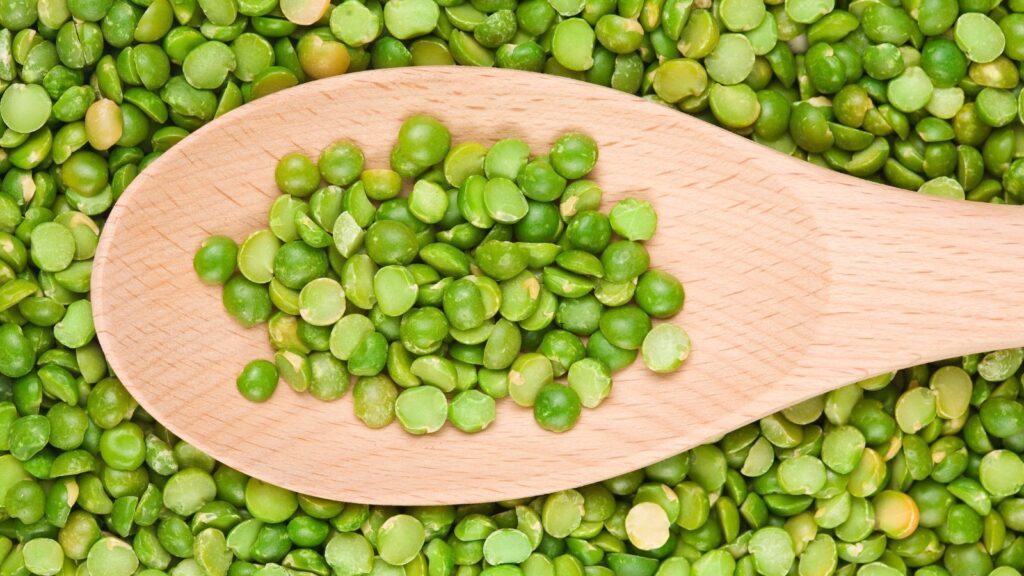
1. Split Peas (16.3g per cooked cup)
If you want the most fiber for your buck, split peas are the winner. With over 16 grams per cup, they are excellent for making thick, filling soups. Because they break down so thoroughly when cooked, they are often easier on the stomach than whole beans while still providing a massive amount of digestive support.
2. Lentils (15.6g per cooked cup)
Lentils are often called the king of legumes because they are packed with nutrition. They are incredibly efficient at stabilizing your blood sugar. They contain both fiber and protein, so they prevent the energy crashes that happen after eating high-carb meals. They are also easier to prepare than many other beans, as they do not require long soaking times.
3. Black Beans (15g per cooked cup)
Black beans are a powerhouse of resistant starch. This is a specific type of fiber that resists digestion in the small intestine. Instead, it travels to the large intestine where it acts as a prebiotic. Prebiotics are very essential for your gut microbiome, helping your beneficial bacteria thrive and produce energy for your colon cells.
4. Chickpeas (12.5g per cooked cup)
Also known as garbanzo beans, chickpeas are famous for their versatility. Whether you eat them in hummus or roasted as high-fiber snacks, they provide a significant boost to your daily total. The combination of fiber and protein in chickpeas increases satiety, which is the scientific term for the feeling of being full.
5. Avocado (10g per medium fruit)

Most people think of avocados only as a source of healthy fats, but they are actually a rare source of both fats and significant fiber. One medium avocado provides about 10 grams. The healthy fats help lubricate the digestive system, while the fiber provides the bulk needed for regular bowel movements.
6. Chia Seeds (9.8g per 2 tbsp)
Chia seeds are unique because they are hydrophilic, which means they love water. They can absorb up to 12 times their weight in liquid. When you eat them, they help keep your digestive tract hydrated. This lubrication is essential for preventing the hard, dry stools that lead to discomfort. You can easily add them to smoothies, oatmeal, or yogurt.
7. Raspberries (8g per cup)
If you are watching your sugar intake but want to increase your fiber, raspberries are your best friend. They have one of the highest fiber-to-sugar ratios of any fruit. Most of the fiber in raspberries comes from their tiny seeds, providing a great source of insoluble fiber to keep your digestive system moving.
8. Artichokes (6.8g per medium boiled heart)
Artichokes are one of the best natural sources of Inulin. Inulin is a potent prebiotic fiber that specifically targets the growth of Bifidobacteria, a group of good bacteria that helps fight off harmful germs and reduces inflammation in the gut.
9. Pears (5.5g per medium fruit)
Pears are one of the best gut health foods because they contain a high amount of pectin. However, you must eat the skin to get the full benefit. The skin contains the majority of the insoluble fiber that helps prevent constipation. Pears also contain sorbitol, a natural sugar alcohol that draws water into the intestines to soften stools.
10. Quinoa (5.2g per cooked cup)
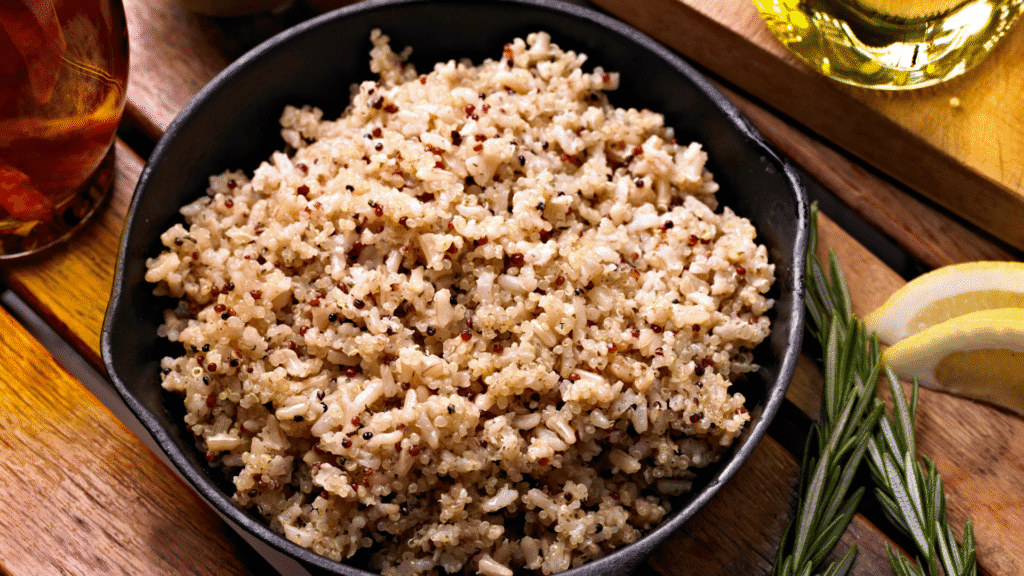
For those who need to avoid gluten, quinoa is a perfect grain alternative. It is a complete protein, meaning it contains all the amino acids your body needs, and it provides a solid 5.2 grams of fiber per cup. It is much more fiber-dense than white rice or standard pasta.
11. Broccoli (5.1g per cooked cup)
Broccoli does more than just provide fiber. It contains a compound called sulforaphane. Research suggests that sulforaphane helps protect the gut lining by preventing the overgrowth of certain harmful bacteria. This makes broccoli a dual-threat food: it provides the physical fiber needed for movement and the chemical compounds needed for protection.
12. Steel-Cut Oats (5g per cooked cup)
Not all oats are created equal. Steel-cut oats are less processed than instant oats, meaning they take longer to break down. They are rich in Beta-Glucan, a powerful soluble fiber. Beta-Glucan is well-known for its ability to lower cholesterol and improve heart health while providing a steady source of energy for your gut bacteria.
13. Apples (4.4g per medium fruit)
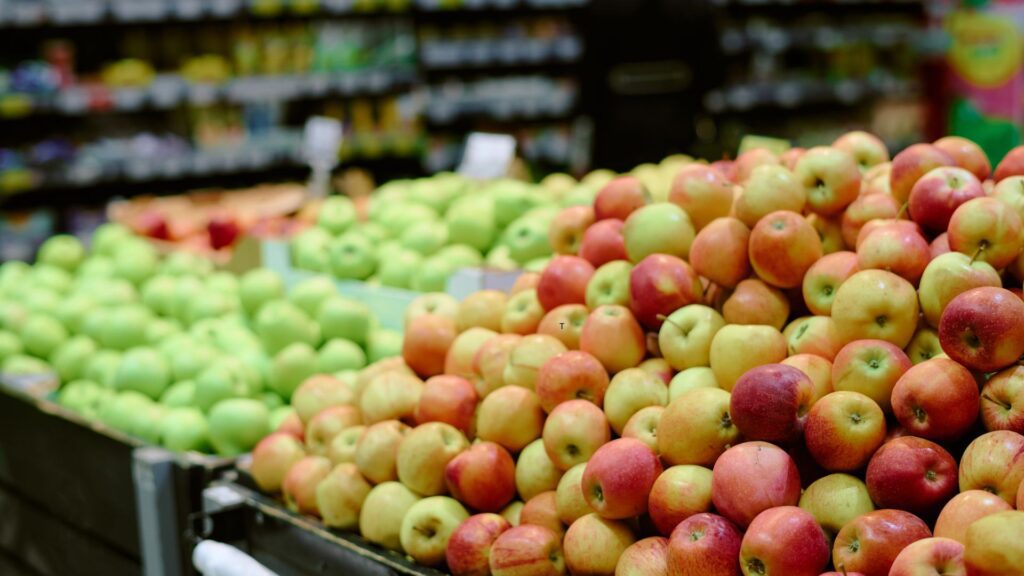
Apples are rich in pectin, a soluble fiber that helps firm up stools if they are too loose, but also improves transit time if you are backed up. Like pears, the skin is where the magic happens. Always eat the peel to ensure you are getting the insoluble fiber needed for the broom effect.
14. Brussels Sprouts (4.1g per cooked cup)
These cruciferous vegetables are excellent for feeding specific bacteria that produce short-chain fatty acids (SCFAs). SCFAs are the primary energy source for the cells lining your colon. By eating Brussels sprouts, you are literally fueling the walls of your digestive system, keeping them strong and healthy.
15. Flaxseeds (2.8g per tbsp, ground)
Flaxseeds are a great way to sneak fiber into your diet. However, there is a trick: you must use ground flaxseeds. Your body cannot break down the tough outer shell of whole flaxseeds, so they will pass through you without providing much benefit. Once ground, they provide fiber and Omega-3 fatty acids, which help reduce inflammation in the digestive tract.
How to Increase Fiber Without Bloating
A common mistake is trying to go from 10 grams of fiber to 35 grams in a single day. This usually leads to gas, cramping, and bloating because your microbiome hasn’t had time to adjust.
To avoid this, increase your fiber intake by only 5 grams per week. This gives your gut bacteria time to multiply and handle the new workload.
If you are worried about legumes like beans and lentils, try soaking your dried beans overnight and rinsing them thoroughly before cooking. This removes some of the complex sugars that cause gas.
Fiber Cheat Sheet: Quick Reference Table
| Food Item | Fiber Content | Primary Benefit |
| Split Peas | 16.3g per cup | Highest fiber for fullness |
| Lentils | 15.6g per cup | Blood sugar stability |
| Black Beans | 15.0g per cup | Prebiotic resistant starch |
| Chickpeas | 12.5g per cup | Versatile protein and fiber |
| Avocado | 10.0g per fruit | Healthy fats + fiber |
| Chia Seeds | 9.8g per 2 tbsp | Hydration and regularity |
| Raspberries | 8.0g per cup | Low sugar, high fiber |
| Artichokes | 6.8g per heart | High inulin (prebiotic) |
| Pears | 5.5g per fruit | Insoluble fiber for transit |
| Quinoa | 5.2g per cup | Complete protein source |
| Broccoli | 5.1g per cup | Gut lining protection |
| Steel-Cut Oats | 5.0g per cup | Cholesterol management |
| Apples | 4.4g per fruit | Pectin for stool consistency |
| Brussels Sprouts | 4.1g per cup | Feeds beneficial bacteria |
| Flaxseeds | 2.8g per tbsp | Omega-3s and fiber |
Frequently Asked Questions
Can I get enough fiber from supplements?
While supplements can help, whole foods are better. Whole foods provide a mix of different fiber types, plus vitamins, minerals, and prebiotics that supplements often lack.
What is the best high-fiber food for immediate constipation relief?
Pears and chia seeds are often the most effective. Pears provide sorbitol to soften stool, and chia seeds provide the lubrication needed for movement.
How much water should I drink with a high-fiber diet?
Aim for at least 8 to 10 glasses a day. If your fiber intake goes up, your water intake must increase with your fiber intake to prevent it from becoming too dense in your digestive tract.
Wrapping Up
Improving your digestion doesn’t require a total lifestyle overhaul. It starts with consistency over intensity. If you have a sensitive digestive system or find raw vegetables difficult to digest, you can still get the benefits of these 15 foods by blending them into smoothies or soups. This makes it much easier to digest.
Steaming vegetables like broccoli and Brussels sprouts until they are soft also helps break down the tough plant cell walls, making the fiber less aggressive on your gut.
Sources
- CDC. Fiber: The Carb That Helps You Manage Diabetes. 2024. (Fiber gap and blood sugar data).
- NIDDK. Eating, Diet, & Nutrition for Constipation. (Hydration and food examples).
- Nature Reviews Gastroenterology & Hepatology. Dietary fibre in gastrointestinal health and disease. 2021. (Soluble vs. insoluble science).
- Advances in Nutrition. The Prebiotic Potential of Inulin-Type Fructans. 2022. (Artichokes and inulin data).
- Proceedings of the Nutrition Society. SCFA: mechanisms and functional importance in the gut. 2021. (Short-chain fatty acids and fermentation).
- USDA FoodData Central. Search Results for Legumes, Fruits, and Seeds. (Accurate gram counts for all 15 foods).