
A strong immune system relies on consistent nourishment. Because the immune response depends on a coordinated network of cells, proteins and biochemical pathways, the nutrients you feed your body every day directly influence how well you fight pathogens.
Below is a list of ten immune supporting foods, and ways to incorporate them into your daily routine. The goal is to help you understand not just what to eat but why these foods can make a meaningful difference.
1. Citrus Fruits

The first on our list is citrus fruits. Fruits such as oranges, grapefruits and lemons are widely recognized for their vitamin C content, but that’s not all they offer. Vitamin C supports the synthesis of white blood cells and enhances the skin barrier, which functions as a first line of immune defense. Because humans cannot synthesize vitamin C, daily intake matters.
Beyond vitamin C, citrus fruits contain flavonoids like hesperidin which have antioxidant properties. These compounds help reduce oxidative stress, which is known to interfere with immune function over time.
Quick Ways To Add Citrus Daily
- Add lemon to warm water in the morning
- Include orange slices in salads
- Snack on clementines (tangerines) for convenient vitamin C
2. Garlic
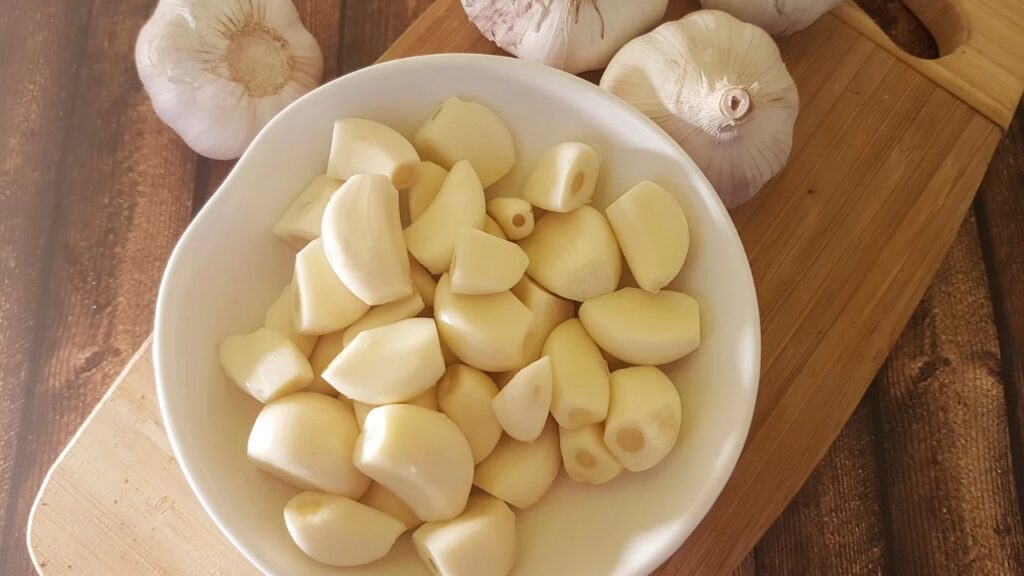
Garlic contains a compound called allicin, which becomes biologically active when the clove is crushed or chopped. Allicin may help support immune activity by promoting the function of macrophages, one of the body’s earliest responders when pathogens enter the system.
Garlic also provides sulfur containing compounds that support cellular repair. In nutrition research, sulfur compounds influence inflammatory pathways, which matters because proper immune response requires balanced rather than excessive inflammation.
3. Ginger
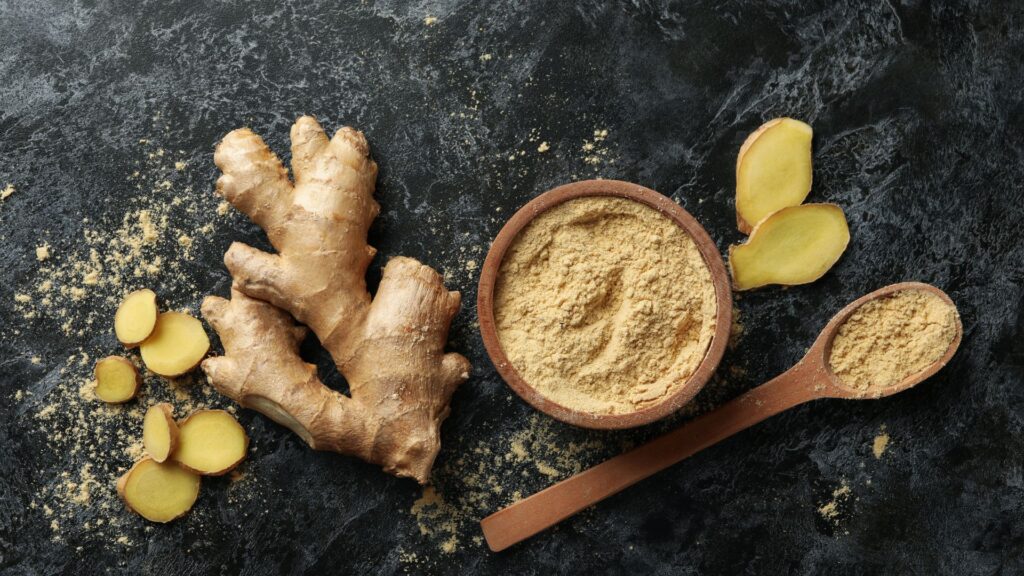
Ginger supports immune resilience largely through its bioactive compounds gingerol and shogaol. These support antioxidant defense pathways and may help modulate inflammation. From an anatomical standpoint, ginger also supports digestive health, and the gut is a key player in immunity because much of the immune system resides in gastrointestinal tissue.
Daily ginger intake does not require elaborate preparation. Small quantities such as grated ginger in tea or sliced ginger in soup can contribute to the body’s antioxidant load.
4. Spinach

Spinach provides vitamin A, vitamin C, folate and plant compounds like lutein. The combination of antioxidants and B vitamins supports immune cell production and protects tissues from oxidative stress. Since rapidly dividing immune cells require folate for DNA replication, spinach can support normal cell turnover.
Spinach also contains beta carotene, which the body converts into vitamin A. Vitamin A is essential for maintaining mucosal barriers including those lining the respiratory tract.
How To Include Spinach More Often
- Add a handful to omelets or scrambled eggs
- Blend into smoothies without altering flavor
- Use as a base for warm grain bowls
5. Yogurt
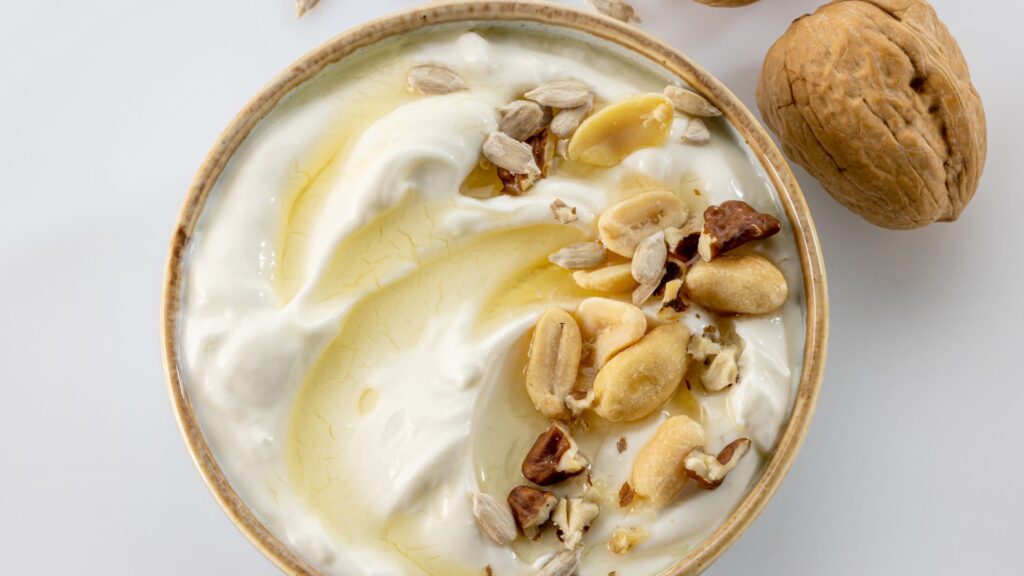
Yogurt contributes beneficial probiotics that support the gut microbiome. Since the gut contains immune cells such as lymphocytes and dendritic cells, a balanced microbiome helps regulate how the immune system reacts to harmful organisms.
In addition, yogurt provides protein and vitamin B12, which play a role in normal immune cell formation. When choosing yogurt, selecting options with live and active cultures helps ensure you are consuming probiotics that can survive the digestive process.
6. Almonds
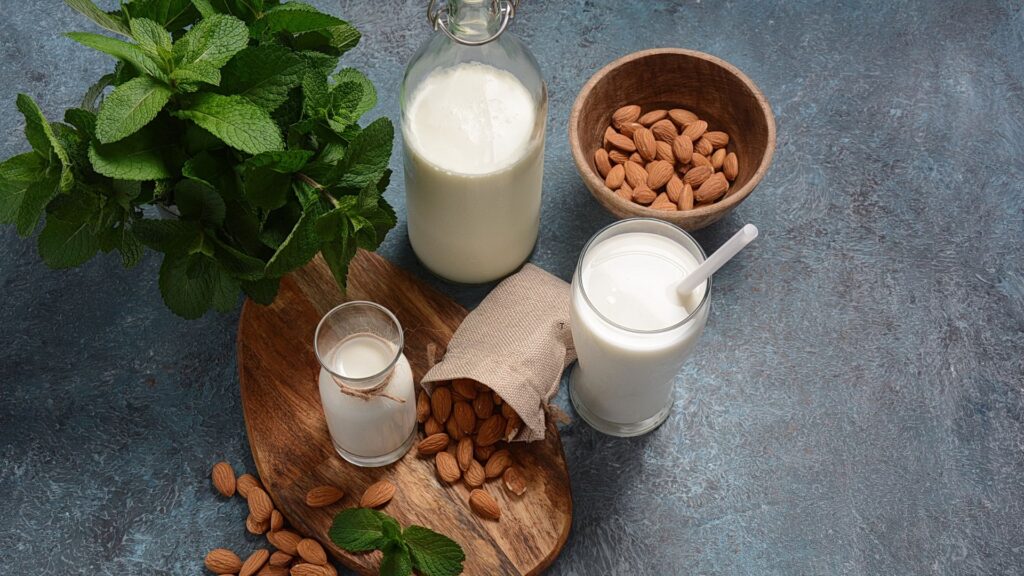
Almonds are a reliable source of vitamin E, a fat soluble antioxidant that protects cell membranes. Because immune cells rely heavily on membrane integrity to function and communicate, vitamin E supports immune stability.
Almonds also provide healthy fats that assist with nutrient absorption. This is particularly relevant for fat soluble vitamins like vitamin E and vitamin A, which participate directly in immune regulation.
Nutrient Snapshot: Almonds
| Nutrient | Approximate Value per 1 oz | Immune Benefit |
| Vitamin E | 7.3 mg | Protects immune cell membranes |
| Magnesium | 76 mg | Supports biochemical immune pathways |
| Healthy fats | 14 g | Improves absorption of immune supporting vitamins |
7. Green Tea

Green tea contains catechins such as EGCG which provide strong antioxidant activity. Antioxidants help protect immune cells from oxidative stress, which otherwise compromises cellular communication and repair.
Green tea also contains the amino acid L theanine. This compound may support the production of gamma delta T cells, which serve as frontline defenders in the immune response. Drinking one or two cups daily can contribute to overall immune resilience.
8. Blueberries

Blueberries offer a concentrated dose of anthocyanins, which support cellular repair and enhance antioxidant status. These dark pigments help stabilize free radicals before they damage immune cells. Because anthocyanins can cross the blood brain barrier, they also contribute to neurological resilience which indirectly influences immune health.
Blueberries also supply vitamin C and fiber. Fiber supports gut bacteria diversity, reinforcing the gut immune connection that helps regulate inflammation.
9. Turmeric
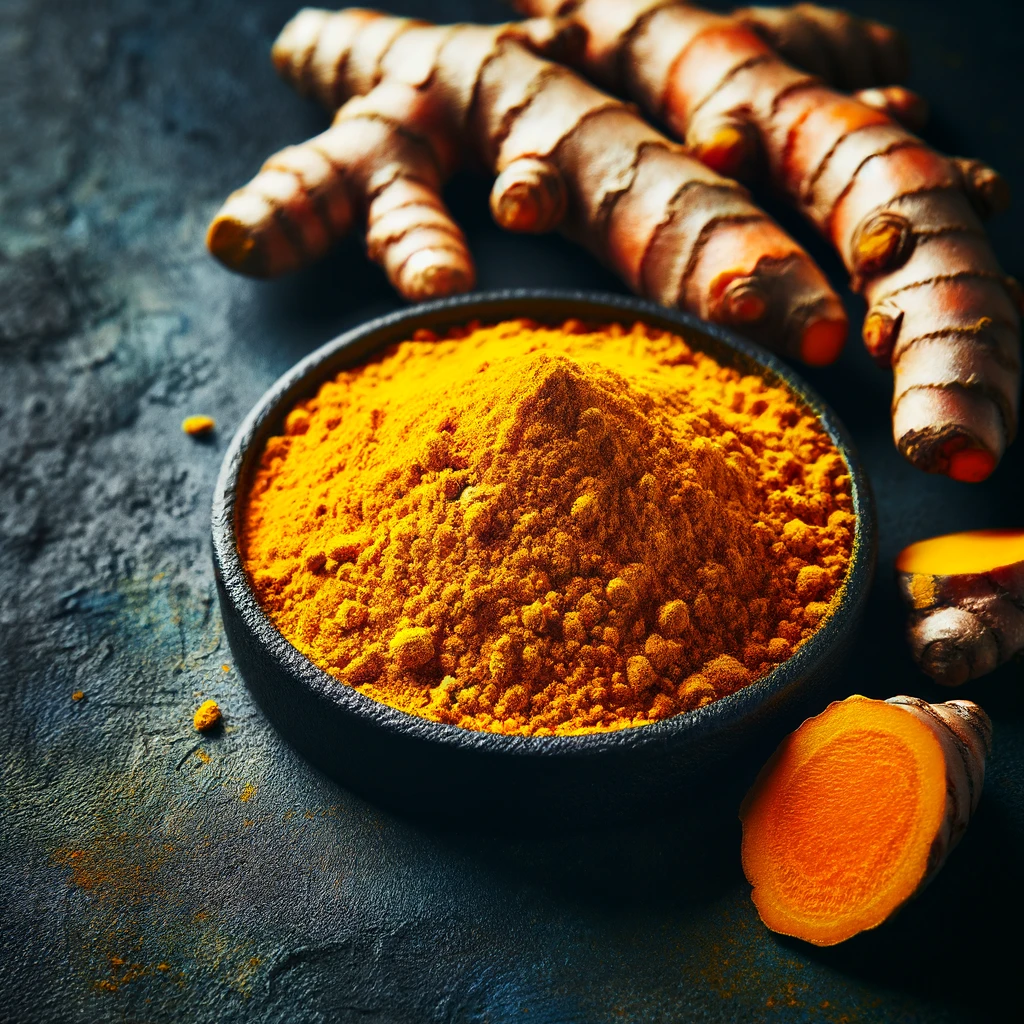
Turmeric contains curcumin, a compound studied for its ability to support immune modulation. Curcumin interacts with signaling pathways that influence inflammation balance. Although turmeric contains only a small percentage of curcumin, daily intake still supports antioxidant processes.
To increase curcumin absorption, pairing turmeric with black pepper is useful. Piperine in black pepper enhances curcumin availability, making the combination more effective for daily immune support.
10. Salmon

Salmon provides omega 3 fatty acids which help regulate inflammation. Immune health depends on controlled inflammation rather than chronic activation, and omega 3s help maintain that balance. Omega 3s play a role in cell membrane fluidity which supports communication between immune cells.
Salmon also offers vitamin D. This nutrient is involved in regulating innate and adaptive immune responses, and low vitamin D levels are linked with reduced immune efficiency. Consuming salmon two or three times weekly helps support steady nutrient intake.
Sample Daily Immunity Meal Plan
Breakfast
- Greek yogurt with blueberries and sliced almonds
- Green tea as a morning beverage
Lunch
- Spinach salad with grilled salmon
- Citrus vinaigrette made from lemon juice and olive oil
Dinner
- Garlic and turmeric seasoned chicken or tofu
- Steamed vegetables with ginger slices
Snacks
- Clementines or mixed citrus
- A small handful of almonds
Key Takeaways Table
| Food | Key Nutrient | Immune Benefit |
| Citrus fruits | Vitamin C | Supports white blood cell production |
| Garlic | Allicin | Boosts early immune response |
| Ginger | Gingerol | Enhances antioxidant defense |
| Spinach | Folate and beta carotene | Supports immune cell formation |
| Yogurt | Probiotics | Strengthens gut–immune connection |
| Almonds | Vitamin E | Protects immune cell membranes |
| Green tea | EGCG | Supports immune cell protection |
| Blueberries | Anthocyanins | Reduces oxidative stress |
| Turmeric | Curcumin | Helps regulate inflammation |
| Salmon | Omega 3s and vitamin D | Supports balanced immune response |
Wrapping Up
Daily immune health depends on foods that support antioxidant protection, gut function and cellular communication. The immune boosting foods discussed here help strengthen the systems involved in fighting infection and maintaining long term wellness.
Note that no single food is a magic bullet. The real power comes from variety, consistency, and pairing these foods with good sleep, regular movement, and stress reduction. When you give your body the nutrients it needs day after day, you set the stage for fewer sick days and faster recovery when illness does strike.