
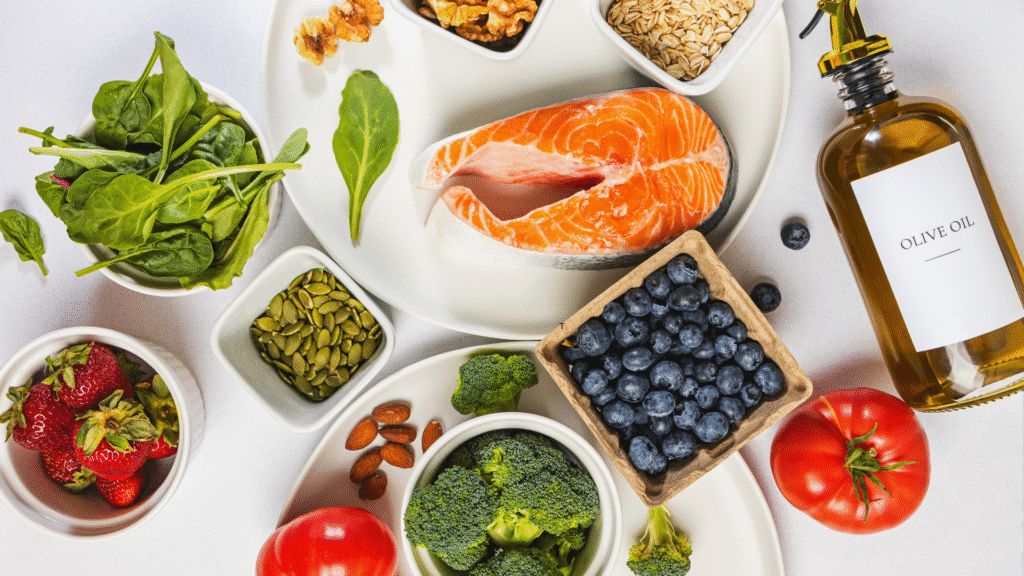
Endometriosis is a condition where tissue similar to the uterine lining grows outside the uterus. It often causes pelvic pain, heavy periods, bloating, and sometimes fertility problems.
However, certain foods may help reduce these symptoms, balance hormones, and improve digestion. This article explores 10 foods that can be useful in an endometriosis-friendly diet and provides a 7-day meal plan to follow.
Fatty Fish

Fatty fish such as salmon, sardines, and mackerel are rich in omega-3 fatty acids. These healthy fats can help reduce the production of pro-inflammatory compounds that worsen pain. Research suggests that omega-3s may also improve mood and energy levels, which are often affected by endometriosis.
Eating fatty fish two to three times a week can be beneficial. Try baking salmon with olive oil and herbs, adding sardines to a salad, or using canned mackerel in wraps.
Leafy Greens

Spinach, kale, and Swiss chard provide fiber, iron, and antioxidants. Fiber supports healthy digestion and helps regulate estrogen levels, which play a role in endometriosis symptoms. Leafy greens also provide iron that can help replenish stores if heavy periods cause low iron levels.
You can eat leafy greens daily in salads, sauté them with garlic as a side dish, or blend them into smoothies. Aim for at least one to two servings per day. Pairing them with vitamin C-rich foods like citrus can improve iron absorption.
Cruciferous Vegetables

Broccoli, cauliflower, and Brussels sprouts contain compounds called indole-3-carbinol that may support estrogen metabolism. This could be helpful for women with estrogen-driven endometriosis. They are also packed with fiber, which promotes a healthy gut microbiome.
These vegetables work well roasted, steamed, or stir-fried. Roast broccoli with olive oil and garlic for a simple side dish or add shredded Brussels sprouts to grain bowls. Eating cruciferous vegetables at least three times a week can provide consistent support.
Berries

Berries such as blueberries, raspberries, and strawberries are high in antioxidants like anthocyanins. These compounds may help reduce oxidative stress, which is linked to inflammation and cell damage in endometriosis. Their fiber also helps with hormone balance and gut health.
Snack on fresh berries, add them to yogurt, or use them in oatmeal. Frozen berries are just as nutritious as fresh ones and can be used in smoothies. Try to include a small serving daily for steady benefits.
Whole Grains
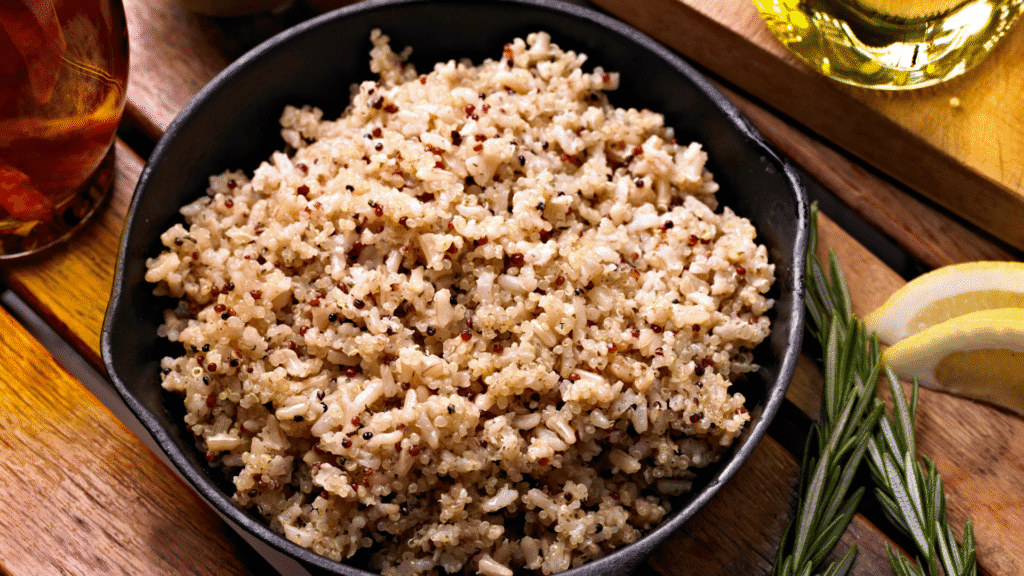
Whole grains like quinoa, oats, and brown rice provide complex carbohydrates and fiber. They can help stabilize blood sugar levels, which in turn supports hormone regulation. High-fiber foods also assist with removing excess estrogen from the body.
Choose whole grains instead of refined ones. Have oatmeal for breakfast, swap white rice for brown rice, or use quinoa as a base for salads. Aim for at least three servings per day.
Nuts and Seeds

Nuts and seeds are rich in omega-3s, magnesium, and zinc. Magnesium may help relax muscles and reduce cramps, while zinc supports immune function. Flaxseeds and chia seeds also provide plant-based omega-3s that can complement fish intake.
- Add chia or flaxseeds to smoothies or overnight oats.
- Snack on a handful of almonds or walnuts.
- Sprinkle pumpkin seeds over soups or salads.
Including a small handful of nuts or two tablespoons of seeds daily is a simple way to gain benefits.
Turmeric

Turmeric contains curcumin, which has anti-inflammatory properties. Some studies suggest curcumin may help reduce pain signals and improve immune responses in women with endometriosis.
You can add turmeric to curries, soups, or rice dishes. Another option is golden milk, a warm drink made with milk, turmeric, and a pinch of black pepper to improve absorption. Use turmeric regularly, but in small amounts spread across meals.
Ginger
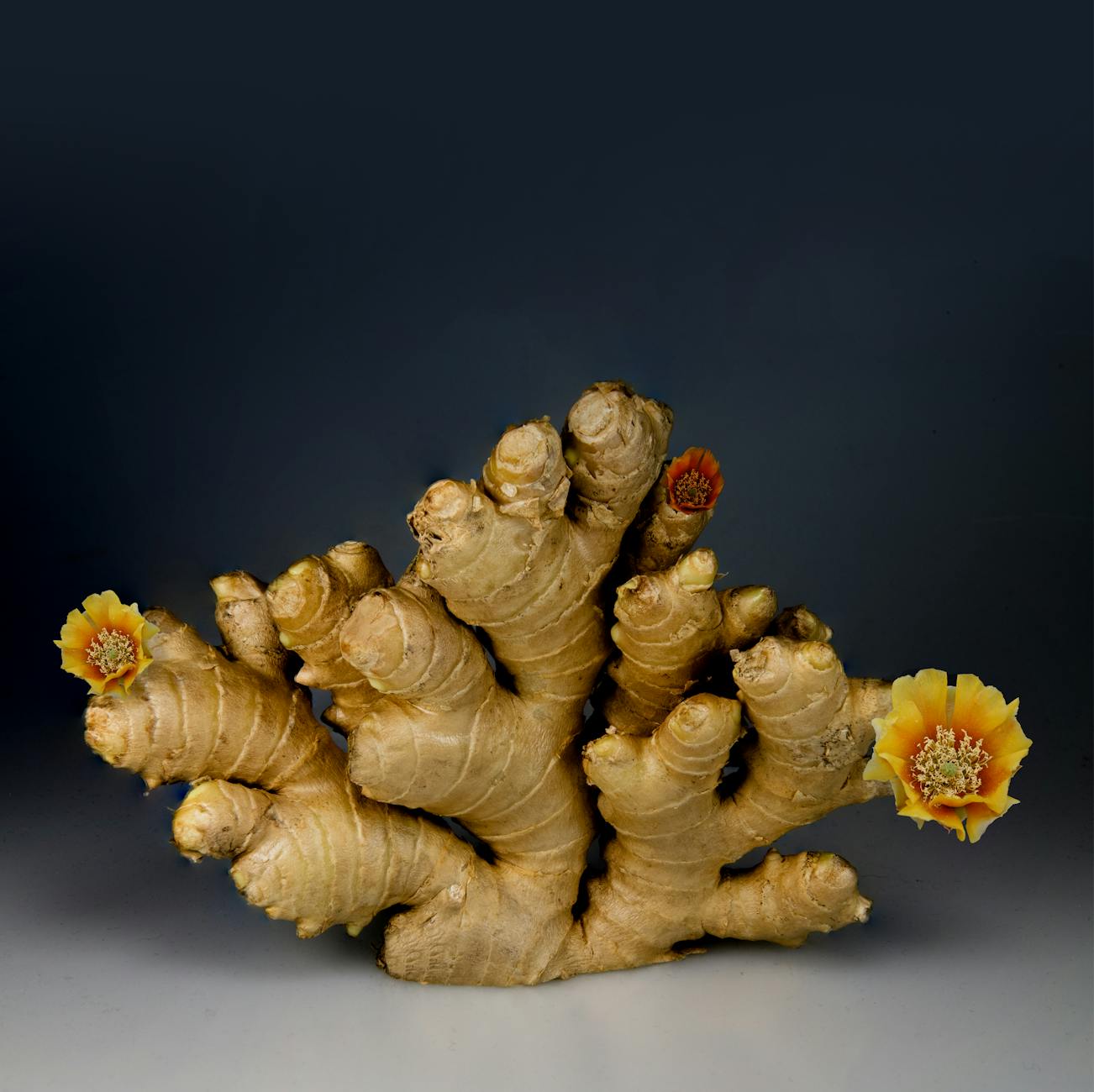
Ginger has bioactive compounds that may reduce inflammation and ease nausea. For those who experience digestive discomfort or cramping with endometriosis, ginger can be soothing.
Fresh ginger can be grated into stir-fries or brewed into tea. You can also add it to smoothies for a spicy kick. A cup of ginger tea in the morning or evening may help with bloating and cramps.
Beans and Lentils
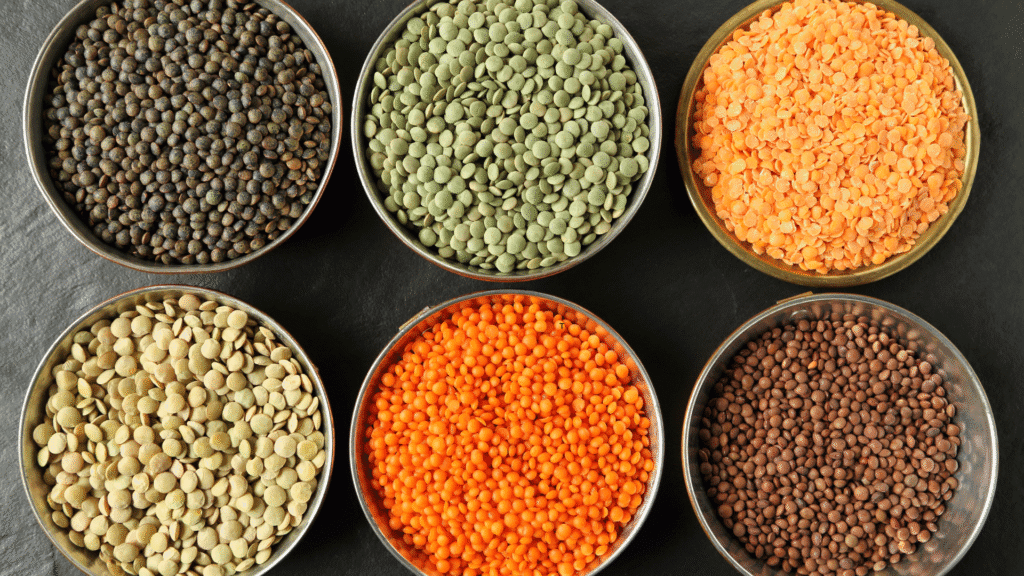
Beans and lentils provide plant-based protein, fiber, and minerals. They help keep blood sugar stable and support bowel regularity, which can ease bloating. Their iron and folate content also support overall energy levels.
Add lentils to soups, stews, or curries. Use chickpeas in salads or hummus, and black beans in tacos or grain bowls. Aim for two to three servings per week.
Avocados

Avocados are high in monounsaturated fats, potassium, and fiber. These nutrients can help support hormone production and reduce water retention. Their healthy fats may also contribute to balanced estrogen and progesterone levels.
Enjoy avocado on whole grain toast, sliced in salads, or blended into smoothies for creaminess. Eating half an avocado a few times a week is enough to see benefits.
7-Day Endometriosis Diet Meal Plan
Here’s a diet plan to adopt for managing endometriosis. Each day includes 3 meals + 2 snacks with a focus on anti-inflammatory and hormone-balancing foods. Portions can be adjusted based on your calorie needs.
Day 1
- Breakfast: Oatmeal topped with blueberries, chia seeds, and sliced almonds
- Snack: Carrot sticks with hummus (chickpeas + olive oil)
- Lunch: Quinoa salad with spinach, avocado, roasted broccoli, and olive oil dressing
- Snack: A handful of walnuts and raspberries
- Dinner: Grilled salmon with sautéed kale and brown rice
Day 2
- Breakfast: Smoothie with spinach, banana, flaxseeds, ginger, and unsweetened almond milk
- Snack: Handful of pumpkin seeds and an apple
- Lunch: Lentil soup with carrots, celery, and turmeric seasoning
- Snack: Strawberries with plain Greek yogurt (optional plant-based alternative)
- Dinner: Baked mackerel with roasted Brussels sprouts and quinoa
Day 3
- Breakfast: Avocado on whole grain toast with a sprinkle of pumpkin seeds
- Snack: Blueberries with a small handful of walnuts
- Lunch: Chickpea and spinach salad with olive oil and lemon dressing
- Snack: Sliced cucumber with ginger-infused green tea
- Dinner: Grilled chicken breast (or tofu) with cauliflower rice and steamed kale
Day 4
- Breakfast: Oats cooked with almond milk, topped with strawberries and flaxseeds
- Snack: Small handful of almonds and raspberries
- Lunch: Quinoa bowl with roasted broccoli, avocado, and tahini dressing
- Snack: Green tea with ginger and a side of carrot sticks
- Dinner: Sardines on whole grain crackers with spinach salad on the side
Day 5
- Breakfast: Smoothie with kale, blueberries, chia seeds, and ginger
- Snack: A handful of walnuts and an orange
- Lunch: Lentil and vegetable curry with turmeric and brown rice
- Snack: Sliced apple with almond butter
- Dinner: Grilled salmon with Brussels sprouts and roasted sweet potato
Day 6
- Breakfast: Avocado and spinach omelet (or tofu scramble) with olive oil drizzle
- Snack: Strawberries and pumpkin seeds
- Lunch: Chickpea quinoa salad with kale, cucumber, and olive oil dressing
- Snack: Ginger tea with roasted almonds
- Dinner: Mackerel with sautéed cauliflower and roasted broccoli
Day 7
- Breakfast: Oatmeal topped with raspberries, walnuts, and a sprinkle of flaxseeds
- Snack: Green tea with ginger and a side of blueberries
- Lunch: Spinach and avocado salad with roasted Brussels sprouts and tahini dressing
- Snack: A handful of almonds with carrot sticks
- Dinner: Baked salmon with lentils and sautéed kale
Conclusion
Your diet can be a supportive part of managing endometriosis symptoms. Foods like fatty fish, leafy greens, cruciferous vegetables, and berries provide anti-inflammatory compounds and key nutrients. Whole grains, nuts, seeds, turmeric, ginger, beans, and avocados also help balance hormones, support digestion, and ease discomfort.
Now, you do not need to add everything at once. Start with a few foods that fit your lifestyle and gradually build variety into your meals. Follow the 7-day diet meal plan and watch how the symptoms decrease over time.
