
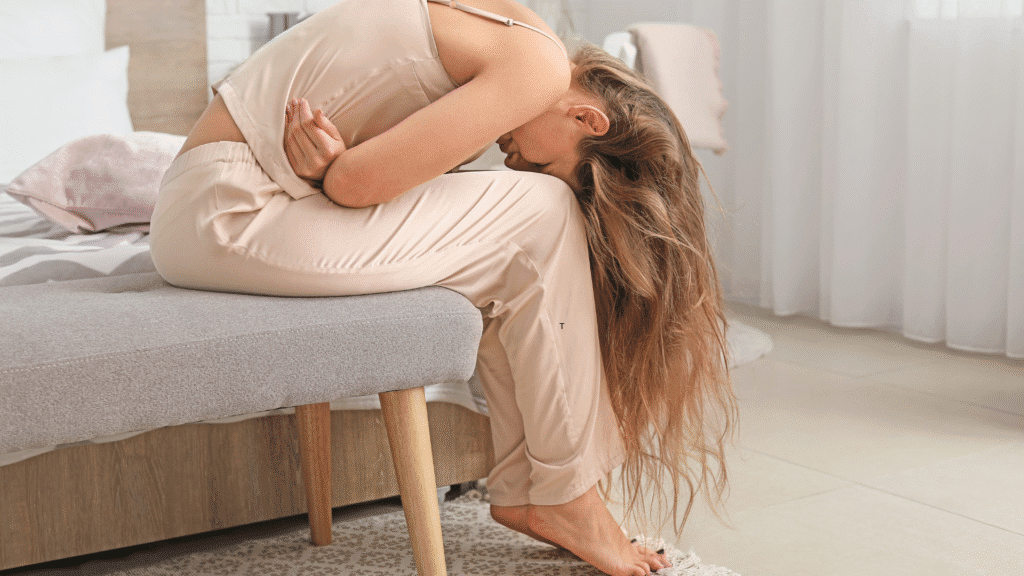
Endometriosis is a chronic condition where tissue similar to the lining of the uterus grows outside it, often leading to pain, fatigue, and fertility challenges. These symptoms can disrupt work, relationships, and daily routines.
While medical treatments such as surgery or hormone therapy can help, they often work best alongside self-care practices. In this article, you’ll discover daily habits that support health and give you practical ways to ease discomfort while living with endometriosis.
Table of Contents
TogglePrioritize Balanced Nutrition
Food choices affect inflammation and hormone activity, two major factors behind endometriosis symptoms. A steady diet of nutrient-rich foods can reduce pain, improve energy, and help with hormonal balance. Instead of restricting yourself with rigid diets, focus on small but consistent adjustments that bring balance over time.
- Include fruits, vegetables, and whole grains for steady energy.
- Choose omega-3 sources like salmon, flaxseeds, or walnuts.
- Limit processed foods and added sugars that may worsen symptoms.
Support Gut Health
Gut function plays a central role in hormone regulation, immunity, and inflammation. Many people with endometriosis report digestive issues such as bloating, constipation, or discomfort that can intensify pelvic pain. Focusing on gut-friendly foods and hydration can make digestion smoother and more comfortable.
- Add fiber-rich foods to promote digestion.
- Include probiotic-rich foods such as yogurt or kefir.
- Drink enough water to reduce bloating and discomfort.
Build a Sustainable Exercise Routine
Physical activity can improve circulation, regulate hormones, and ease muscle tightness. For people with endometriosis, low-impact activity often works better than intense workouts that may trigger pain. The focus should rest on steady, consistent movement that strengthens your body without overexertion.
Gentle forms of activity often work best:
- Walk or swim for low-impact movement.
- Practice yoga or stretching to release tight muscles.
- Use light strength training to support your joints and back.
Consistency matters more than intensity. Aim for shorter sessions you can maintain instead of long workouts that leave you fatigued.
Manage Stress Effectively
Stress does not cause endometriosis, but it can intensify pain and worsen fatigue. High stress levels raise cortisol, which influences hormone activity and inflammation. Developing routines that reduce stress can help you create a healthier balance and improve how your body responds.
- Practice deep breathing or guided meditation.
- Use a journal to track triggers and progress.
- Set boundaries with work and personal commitments.
Improve Sleep Quality
Pain, stress, and hormonal shifts often interfere with sleep, yet proper rest is essential for recovery. Without quality sleep, your body struggles to repair itself, which can make symptoms more intense. A calm bedtime routine can make the difference between restless nights and restorative rest.
- Keep a consistent bedtime schedule.
- Reduce screen use before bed.
- Keep your bedroom cool and quiet.
Use Heat and Relaxation Techniques
Heat can reduce pelvic pain and relax tense muscles, making it one of the most reliable at-home methods for relief. The warmth boosts circulation and calms muscle spasms, which eases pain during flare-ups. When combined with relaxation techniques, it can offer even greater comfort.
- Place a heating pad or hot water bottle on the lower abdomen.
- Take warm baths to loosen muscle tension.
- Pair heat with slow breathing for deeper relief.
Stretching before sleep or listening to calming sounds can also reduce discomfort and improve rest.
Track Symptoms and Patterns
Keeping track of your symptoms provides valuable insight into how diet, stress, and activity influence your condition. Regular tracking allows you to identify triggers, prepare for flare-ups, and make adjustments that improve daily comfort.
Bringing this information to medical appointments also gives your doctor a clearer picture of what you experience. With time, this practice builds a record that helps you manage your health more effectively.
- Use a journal or app to log pain, cycle changes, and fatigue.
- Record how diet, stress, or exercise affect symptoms.
- Review patterns monthly to adjust your habits.
Build Support Systems
Endometriosis often feels isolating, especially since its effects are not always visible to others. Sharing your experiences with trusted people can reduce the burden and help you feel understood. Whether through family, friends, or groups, having support can improve resilience and emotional health.
- Join local or online support groups.
- Share your experiences with friends or family.
- Communicate openly with your doctor about challenges and adjustments.
Conclusion
Daily habits cannot replace medical treatment, but they can help you feel more in control of your health. Simple steps such as eating whole foods, keeping active, and tracking symptoms provide tools to reduce pain and fatigue.
Each action, no matter how small, is a way to strengthen your health and make daily life more manageable.