
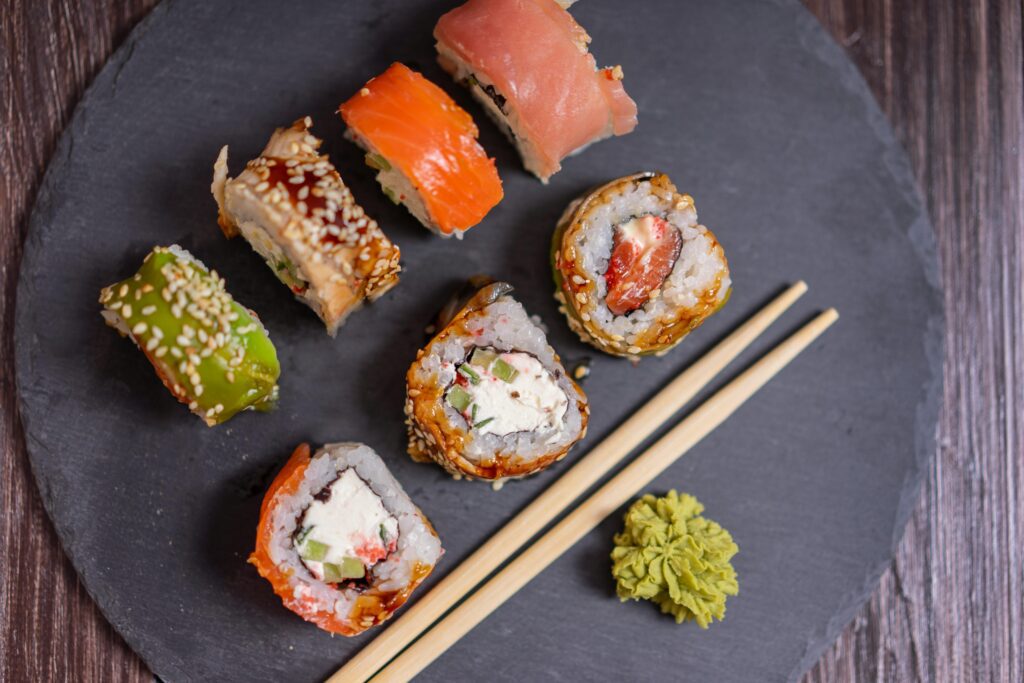
Sushi is a Japanese dish known for its delicate balance of flavors. Wasabi is often served with it to add sharp heat and enhance the fish. Still, not everyone enjoys that burning sensation, and you might wonder if sushi can still taste good without wasabi.
This article explores the pros and cons of eating sushi without wasabi so you can decide what works best for your taste and experience.
What Wasabi Does in Sushi
Wasabi adds a sharp, clean spice that clears the nose more than the tongue. It cuts through the richness of raw fish and highlights the natural flavor. In traditional sushi, chefs use a small amount between the fish and rice to balance the taste.
You’ll often find it already inside nigiri or served on the side with sashimi. Some people stir it into soy sauce, although many chefs advise against that.
Pros of Eating Sushi Without Wasabi
Skipping wasabi doesn’t ruin your sushi. It depends on your taste and how the sushi is prepared. There are valid reasons for going without it.
- Avoids the sharp burning sensation if you dislike spicy food
- Lets you enjoy the clean taste of the fish without interference
- Reduces the risk of overpowering light or sweet toppings like scallop or shrimp
- Prevents allergic or sinus reactions in sensitive individuals
If the fish is high quality, the taste should stand on its own without the need for added spice.
Cons of Eating Sushi Without Wasabi
While you can enjoy sushi without wasabi, there are a few trade-offs. These may matter more at higher-end sushi bars or with certain types of fish.
- You miss out on the flavor balance that wasabi provides
- Oily or fatty fish like toro or mackerel may taste heavier
- Wasabi helps mask slight fishy smells in raw seafood
- Some sushi styles may feel incomplete without it
The sharpness of wasabi can cleanse the palate and sharpen the overall taste. Without it, the meal might feel flat or too soft in flavor.
Does All Sushi Need Wasabi?
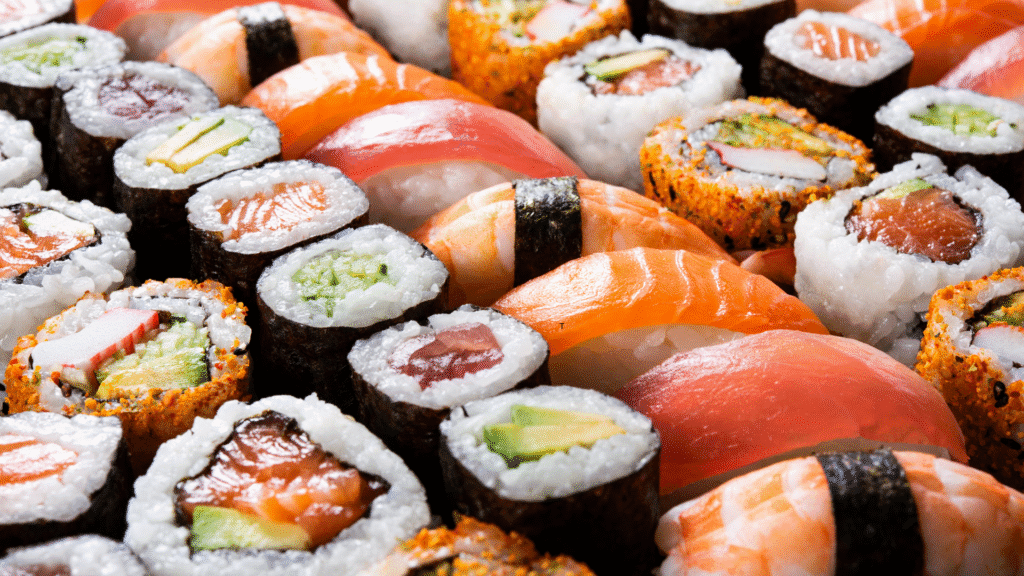
Not all sushi includes wasabi by default. Some styles are meant to be enjoyed without it. The type of fish, how the sushi is prepared, and the chef’s approach all influence the use of wasabi.
Sushi Types Often Served Without Wasabi
- Rolls with cooked ingredients (e.g., tempura rolls)
- Egg (tamago) nigiri
- Vegetable rolls like cucumber or avocado
These styles rely on sweetness, texture, or umami rather than spice.
Sushi Types That Often Include Wasabi
- Tuna nigiri or sashimi
- Salmon or yellowtail sushi
- Fatty cuts like toro or saba
What Chefs Think About Skipping Wasabi
In traditional settings, chefs prepare each piece with a purpose. They use wasabi to balance flavor and guide the dining experience. Some may view skipping it as changing the original intent of the dish.
Still, many chefs understand that taste is personal. If you ask politely, most will prepare your sushi without wasabi if you prefer.
How to Eat Sushi Without Wasabi and Still Enjoy It
You can skip wasabi and still enjoy the meal if you pay attention to flavor and texture. Use other elements like soy sauce, ginger, or side dishes to create balance.
Tips for eating sushi without wasabi:
- Choose fresh fish with clean, mild flavors
- Use pickled ginger between bites to cleanse your palate
- Dip lightly in soy sauce to bring out umami
- Avoid overloading your sushi with other sauces or toppings
Let the natural taste of the fish and rice lead the meal.
Wrapping Up
You can eat sushi without wasabi and still enjoy a full, balanced experience. While wasabi brings heat and flavor contrast, it’s not required for every style or personal preference.
Skipping it works best when the fish is fresh and high quality. Whether you use it or not, the goal is to enjoy the balance of flavor that makes sushi special.
