
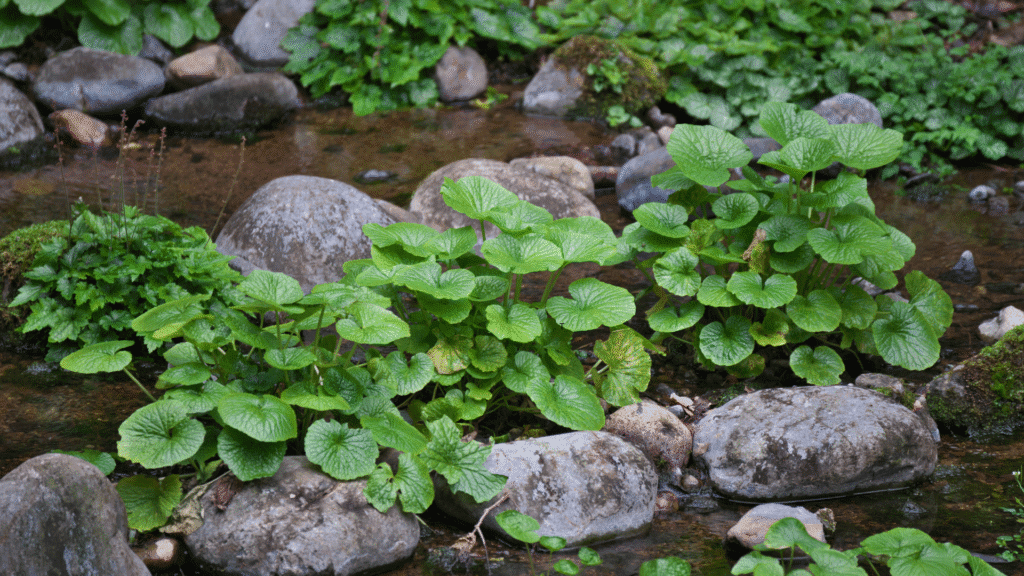
In a cool, shaded garden where mist lingers on stones and water trickles through gravel beds, something rare is growing, real wasabi. Not the green paste found in most sushi restaurants, but the authentic plant prized for its crisp heat and rich flavor. Yet, few realize that behind this sharp-tasting gem lies a slow-growing journey that demands precision, time, and patience.
This article will explain how long it takes to grow wasabi plants, breaking down the timeline into clear stages. You’ll also learn what influences growth and what to expect from planting to harvest, whether you’re curious about growing it yourself or simply want to understand what makes real wasabi so rare and expensive.
The Timeline
Wasabi takes 18 to 24 months to reach harvestable size. This isn’t due to complexity in farming practices, but because of the plant’s natural growth rate and its demand for stable, stream-like conditions. It’s not a plant that adapts easily to shortcuts or mass production.
This long growing period is part of why genuine wasabi is hard to find and costly. During this time, the plant develops its rhizome, the part grated into fresh wasabi paste. But for the rhizome to reach full size and flavor, it needs to mature slowly, under stable temperatures between 45°F and 75°F with steady moisture and shade.
Growth Stages of a Wasabi Plant
Wasabi has a unique growth pattern that’s divided into clear stages. Each one plays a role in the final quality of the root, so understanding the process helps you manage your expectations.
Germination and Early Growth (0–3 months)
The process starts with seeds or tissue-cultured plantlets. Germination can take up to a month, and seedlings remain fragile during this time. This stage needs consistent moisture and shade, direct sun or dry air can kill the plant before it begins to establish.
Vegetative Growth (3–12 months)
During this phase, wasabi focuses on producing leaves and building up strength. You won’t see much going on underground yet. Most of the plant’s energy goes into forming a healthy crown and network of feeder roots. Any disruption, like heatwaves or soil that doesn’t drain well, can slow things down drastically.
Rhizome Development (12–24 months)
This is the final and slowest part. The plant starts to channel energy into growing the rhizome, the thick stem used to make real wasabi paste. You’ll notice the stem bulking up at the soil line. Harvest usually happens between 18 to 24 months after planting, depending on growing conditions and plant health.
Factors That Can Slow or Speed Up Growth

Even under controlled conditions, wasabi’s growth rate can vary. A few factors can stretch the timeline past 24 months or speed it up just a little.
- Temperature stability: Sudden temperature swings can stunt growth or cause disease. Wasabi prefers a consistent environment year-round.
- Water quality: It needs clean, cool water that mimics natural springs. Minerals and pH balance affect the plant’s ability to absorb nutrients.
- Soil or medium: Wasabi is often grown in gravel beds with circulating water (called sawa method). Soil-grown wasabi (oka method) needs excellent drainage and air flow to avoid rot.
- Shade and humidity: Direct sun burns the leaves, and dry air leads to dehydration. A shaded greenhouse with misting systems offers the best results.
Growers who meet all these conditions might shave a few months off the growth cycle, but not much. The plant’s biology sets the pace.
When to Harvest and What to Expect
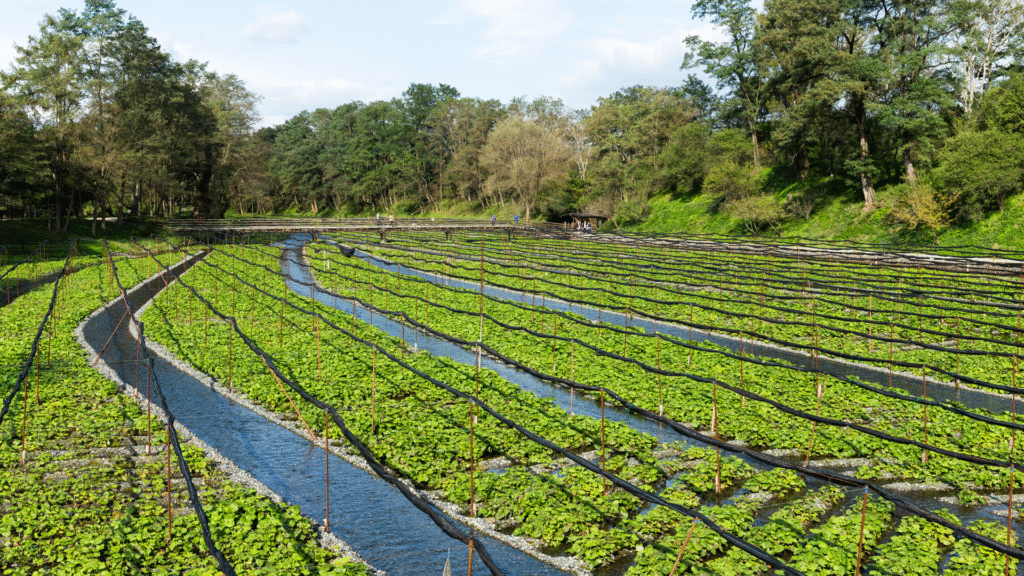
The visual cue for harvest is a thickened stem that looks like a short, knobby root, this is the rhizome. By this time, the plant will have grown several large leaves and should look well established. If you’re unsure, check for a diameter of at least 1.5 inches at the thickest point of the stem.
Wasabi harvested too early lacks depth of flavor and doesn’t produce the signature heat when grated. On the other hand, leaving it in the ground past 24 months may not improve quality and increases the risk of rot, especially in humid environments.
Once harvested, the rhizome can be stored in water or wrapped in a damp cloth in the refrigerator, but it’s best used fresh. A single rhizome can cost a small fortune, making your 2-year wait worthwhile.
Wrapping Up
Growing wasabi isn’t a quick project. It’s a two-year commitment that demands patience, close attention to climate, and careful water management. But for those who get it right, the reward is a plant unlike any other, both in flavor and value.
If you’re looking to add wasabi to your garden or start a niche farming business, understanding the time frame helps you plan and budget wisely. With the right setup and expectations, your wasabi harvest will be worth the wait.