
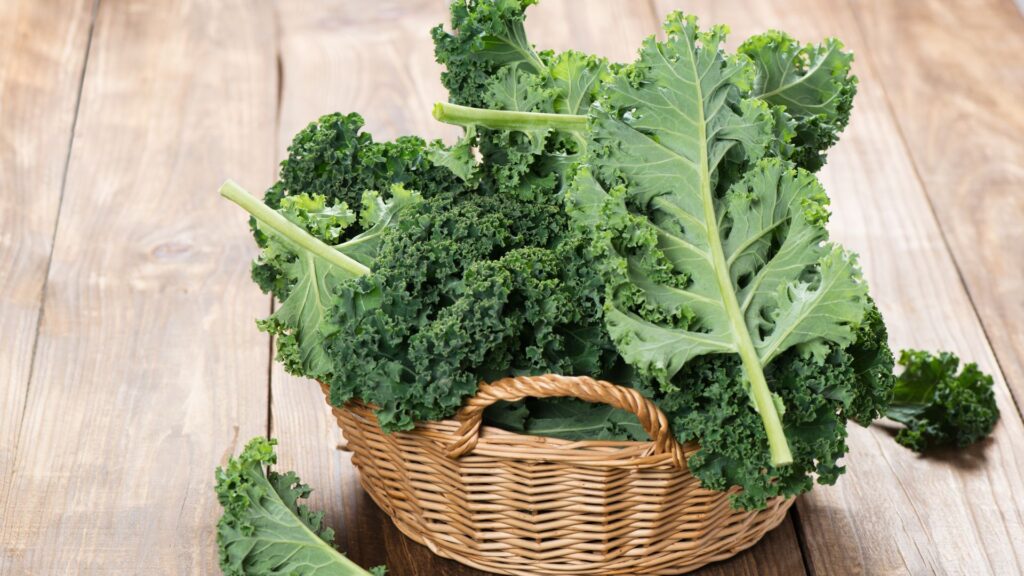
Kale has become almost synonymous with healthy eating, and for good reason. This dark, leafy green has been dubbed a nutritional powerhouse, loaded with vitamins, minerals, fiber, and disease-fighting plant compounds. But beyond the hype and Instagram smoothies, what does science actually say about the health benefits of kale?
This article provides a complete, evidence-based breakdown of the health benefits of kale, how to eat it, possible side effects, and answers to the most frequently asked questions. Let’s get into it!
What Is Kale?
Kale (Brassica oleracea) is a cruciferous vegetable, meaning it’s part of a family of plants known for their rich supply of glucosinolates (plant chemicals with cancer-fighting potential).
Unlike lettuce or spinach, kale is a hardy green with a tough stem and slightly bitter flavor. It can be eaten raw, cooked, juiced, or even baked into chips.
Now, let’s dive into why kale is considered one of the healthiest foods on the planet.
Health Benefits of Eating Kale
Packed With Antioxidants
Kale contains powerful antioxidants, including:
- Quercetin: An anti-inflammatory flavonoid known to reduce blood pressure and fight viruses.
- Kaempferol: Linked to reduced cancer risk and improved heart health.
- Vitamin C: A potent antioxidant that helps neutralize free radicals and supports the immune system.
- Beta-carotene: A precursor to vitamin A, essential for eye and skin health.
These compounds help combat oxidative stress, which is a root cause of aging and many chronic diseases, including heart disease and cancer.
Anti-Inflammatory Effects
Chronic inflammation is linked to many health conditions, from arthritis and asthma to heart disease and depression. Kale’s high content of omega-3 fatty acids (in the form of alpha-linolenic acid) and antioxidants help suppress pro-inflammatory compounds in the body.
Additionally, kale’s flavonoids like quercetin act as natural antihistamines, reducing allergic responses and inflammation.
Supports Heart Health
Kale provides nutrients that directly benefit cardiovascular health:
- Potassium: Helps lower blood pressure by balancing sodium levels.
- Fiber: Reduces cholesterol levels by binding bile acids and promoting their excretion.
- Vitamin K: Supports arterial health and reduces the risk of arterial calcification.
A study from the Biomedical and Environmental Sciences journal found that consuming kale juice daily for 12 weeks improved HDL (good cholesterol), lowered LDL (bad cholesterol), and reduced markers of oxidative stress in men with high cholesterol.
Detoxification and Liver Support
Kale contains glucosinolates, sulfur-containing compounds that are converted into isothiocyanates in the body. These support the liver’s phase I and phase II detoxification processes, helping eliminate toxins and carcinogens more efficiently.
Additionally, kale is rich in chlorophyll, which may help bind and neutralize heavy metals and chemical toxins in the body, though human studies are limited.
Cancer-Fighting Potential
Several compounds in kale have been studied for their anticancer properties, including:
- Sulforaphane: A sulfur-rich compound that helps prevent the growth of cancer cells.
- Indole-3-carbinol: Linked to hormone regulation and reduced risk of breast and prostate cancer.
- Kaempferol and quercetin: Shown to inhibit tumor growth in laboratory studies.
While no single food can prevent cancer, diets high in cruciferous vegetables like kale are consistently associated with lower cancer risk, especially for lung, colorectal, and breast cancers.
Supports Eye Health
Kale is one of the best plant sources of lutein and zeaxanthin, carotenoids known to protect against age-related macular degeneration and cataracts. It also provides vitamin A, which is essential for retinal health and night vision.
A diet rich in these nutrients can help maintain sharp vision and reduce the risk of eye diseases as we age.
Aids Bone Health
Thanks to its sky-high levels of vitamin K, kale is crucial for maintaining bone density. Vitamin K is required for the activation of osteocalcin, a protein involved in bone mineralization.
Kale also provides calcium and magnesium, two minerals that play complementary roles in building and maintaining strong bones and preventing osteoporosis.
Enhances Skin and Hair Health
Vitamin C and beta-carotene in kale help produce collagen, which maintains skin elasticity and hydration. The antioxidants also fight skin aging caused by UV rays and pollution.
Iron and omega-3s found in kale can also contribute to healthier hair follicles, promoting stronger, shinier hair.
Helps Regulate Blood Sugar
Kale contains fiber and alpha-lipoic acid, both of which are linked to improved blood sugar control. Fiber slows the absorption of sugar into the bloodstream, while alpha-lipoic acid may enhance insulin sensitivity.
This makes kale a valuable food for people with type 2 diabetes or insulin resistance.
How to Eat Kale

Kale is incredibly versatile and can be incorporated into meals in countless ways:
Raw (in moderation):
- Add to green smoothies with banana or apple to balance bitterness
- Chop finely into salads or slaws
- Use as a base for grain bowls
Cooked (recommended for better absorption):
- Sauté with garlic and olive oil
- Steam and season with lemon
- Add to soups, stews, and stir-fries
- Bake into kale chips with olive oil and sea salt
Fermented:
- Add to kimchi or sauerkraut blends for a probiotic-rich dish
Cooking kale can reduce bitterness, increase bioavailability of some nutrients, and make it easier to digest.
Possible Side Effects and Considerations
Kale is extremely healthy, but there are a few potential caveats:
Thyroid Function
Kale is a goitrogenic vegetable, meaning it contains substances that can interfere with thyroid hormone synthesis in people with iodine deficiency or hypothyroidism. Cooking kale significantly reduces these compounds.
Tip: If you have thyroid issues, consume cooked kale in moderation and ensure adequate iodine intake.
Oxalate Content
Kale contains oxalates, compounds that can bind to calcium and form kidney stones in susceptible individuals. If you’re prone to kidney stones, rotate kale with low-oxalate greens like bok choy or arugula.
Vitamin K and Blood Thinners
Kale’s high vitamin K content may interfere with blood-thinning medications (e.g., warfarin). Patients on such medications should maintain a consistent intake of vitamin K and consult a doctor before increasing kale consumption.
Frequently Asked Questions (FAQ)
Is raw kale better than cooked?
Raw kale retains more vitamin C but may be harder to digest and higher in goitrogens. Cooking reduces these issues and increases the availability of some antioxidants. For most people, a mix of raw and cooked kale is ideal.
How much kale should I eat per day?
There’s no official limit, but 1–2 cups of kale a day is a healthy amount. Due to its high nutrient density, even small servings offer benefits.
Is kale good for weight loss?
Yes. Kale is low in calories, high in fiber, and helps promote satiety, making it a great addition to a weight loss plan.
Can I eat kale every day?
Yes, as long as you don’t have specific contraindications (like advanced kidney disease or thyroid issues). Kale is safe and beneficial as a regular part of your diet.
What type of kale is healthiest?
All varieties offer benefits, but Lacinato kale is often considered slightly sweeter and easier to digest. Curly kale has a higher surface area and holds dressings well, while red kale contains additional anthocyanins (antioxidants).
How do I reduce kale’s bitterness?
Massaging raw kale with a little lemon juice or olive oil breaks down the fibrous texture and reduces bitterness. Cooking also greatly mellows the flavor.
Wrapping Up
Kale has rightfully earned its reputation as a superfood. From protecting your heart and supporting digestion to boosting your immune system and helping prevent chronic disease, the benefits of kale go far beyond its green color.
It’s one of the most nutrient-dense foods available, and with just a little preparation, it can be delicious, versatile, and easy to incorporate into your meals.
If you’re looking for a single ingredient that offers a broad spectrum of health benefits, kale deserves a permanent spot in your grocery cart and on your plate.