
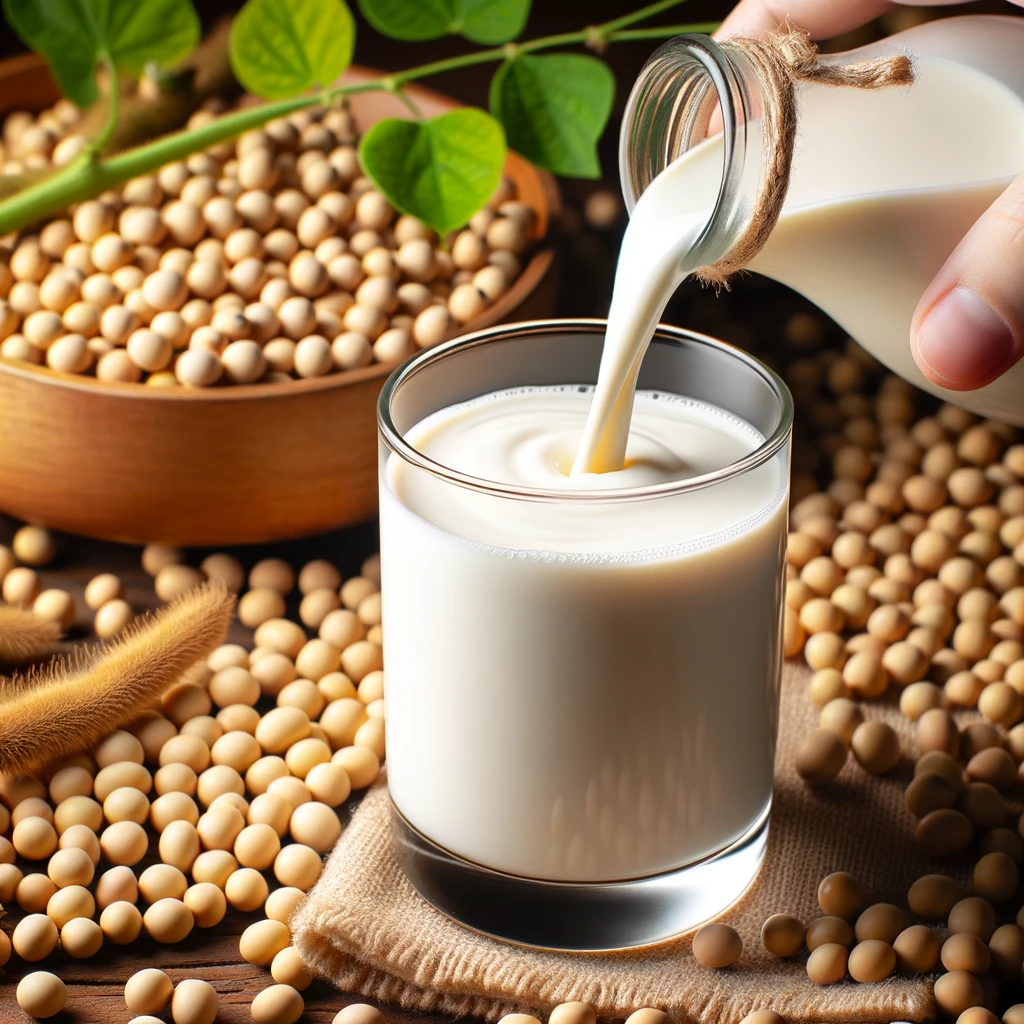
Soy milk is a plant drink made by blending soybeans with water. Unlike many plant milk, soy milk is a complete protein source, containing all nine essential amino acids necessary for muscle repair, growth, and overall body maintenance.
Moreover, it can be used as a substitute for cow’s milk in almost every context, including your coffee, tea, or morning cereal. In this article, we highlight seven important health benefits of soy milk, offering a step-by-step guide to preparing soy milk at home.
7 Surprising health benefits of soy milk
1. Reduces the risk of heart disease
Soy milk is naturally free from cholesterol and low in saturated fat. Studies suggest that consuming soy protein can significantly reduce low-density lipoprotein (LDL) cholesterol, or “bad” cholesterol, levels, potentially lowering the risk of heart disease.
Moreover, soy milk contains isoflavones, which are known for their antioxidant properties, protecting the arteries from inflammation and improving blood flow. These factors combined make soy milk a heart-healthy choice.
2. Supports weight management
Soy milk can be a valuable addition to a weight management plan. It’s lower in sugar and calories compared to whole dairy milk. A cup of unsweetened soy milk (240ml) contains 80 – 90 calories as opposed to 150 calories in whole dairy milk.
Additionally, its high protein content can keep you full for longer, reducing the likelihood of overeating and snacking between meals.
3. May help prevent osteoporosis
As we age, it becomes increasingly important to maintain bone density to prevent conditions such as osteoporosis. While soy milk naturally contains some calcium and vitamin D, many varieties are fortified to ensure they match or exceed the levels found in cow’s milk.
These nutrients work synergistically not only to maintain bone mass but also enhances the body’s ability to repair and build new bone tissue.
4. May help prevent cancer
The potential of soy milk to prevent certain cancers is a growing interest. Isoflavones, a compound found in soy milk, have been studied for their role in modulating estrogen, which can inhibit the growth of hormone-dependent cancers like breast and prostate cancer.
5. Lactose-free alternative
For those who have difficulty digesting lactose, soy milk offers a nutritious and gastrointestinal-friendly alternative to dairy milk. This allows them to enjoy the benefits of milk without experiencing the discomfort and symptoms associated with lactose intolerance, such as bloating, gas, and diarrhea.
6. May help manage diabetes
Soy milk has a lower glycemic index compared to cow’s milk, meaning it is absorbed more slowly, preventing spikes in blood sugar levels. Additionally, the fiber in soy milk drink can aid in blood sugar regulation, further supporting diabetes management.
7. May help relieve symptoms of menopause
Several studies have suggested that consuming soy milk and other soy-based products may reduce the frequency and severity of menopausal hot flashes.
The phytoestrogen (isoflavones) found in soy milk drink can mimic the effects of estrogen, a chemical responsible for regulating the menstrual cycle in women, alleviating menopausal symptoms such as hot flashes, night sweats, and mood swings.
You may also like: Is Quinoa a gluten-free food?
How to make soy milk drink
Preparing soy milk at home is a straightforward process. Here’s a soy milk recipe to get you started:
Ingredients
- 1 cup dried soybeans
- 8 cups of water
- Sweetener (optional)
Equipment
- Blender
- Large bowl
- Pot for boiling
- Nut milk bag, cheesecloth, or a fine mesh strainer
Instructions
- Soak the soybeans in a large bowl with 2-3 times their volume of water. This softens the beans, making them easier to blend. Leave overnight or for at least 8 hours.
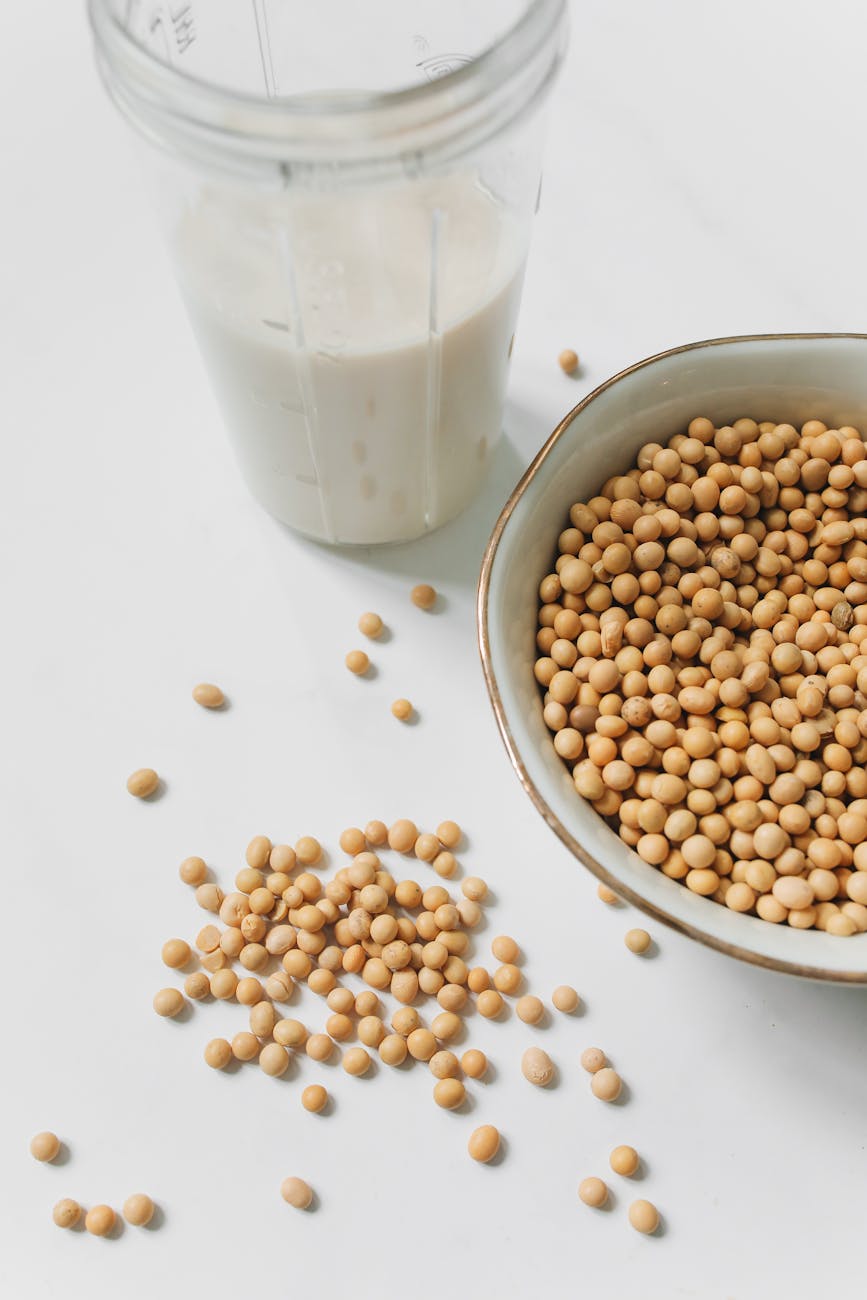
- After soaking, drain and rinse the soybeans, then blend with water until smooth. The ratio of water to soybeans can vary depending on the desired thickness and creaminess of the soy milk.
- Pour the blended soybean mixture through a nut milk bag, cheesecloth, or a fine mesh strainer into a large pot. Squeeze or press the pulp (okara) to extract as much liquid as possible.
- Bring the soy milk to a boil over low heat for about 10 minutes, stirring occasionally and skimming off any foam on the surface. This step helps remove the raw bean taste and ensures your soy milk is digestible. Avoid overheating to prevent the milk from curdling.
- After cooking, add sweeteners such as vanilla extract, sugar, or salt, as desired.
- Allow the soy milk to cool, then transfer to a storage container and store in the refrigerator. Soy milk is best consumed within 3-4 days.
FAQs
Can soy milk go bad?
Yes, like dairy milk, soy milk can go bad. Signs that soy milk has spoiled include a sour smell, a change in color, and a thick or clumpy texture.
Can soy milk replace cow’s milk in recipes?
Yes, soy milk can be used as a 1:1 substitute for cow’s milk in most recipes. Its texture and taste make it a versatile substitute in cooking and baking, suitable for smoothies, sauces and baked goods.
Will soy milk make you fat?
No, soy milk itself will not make you fat when consumed as part of a balanced diet. However, as with any dietary choice, moderation is important.
You may also like: Shelf life of oat milk
Wrapping up: Is drinking soy milk good for you?
Soy milk is a plant-based milk with fewer calories than whole dairy milk. It contains isoflavones which are excellent for your heart. Drinking soy milk may also aid weight loss, prevent cancer and support diabetes management.