
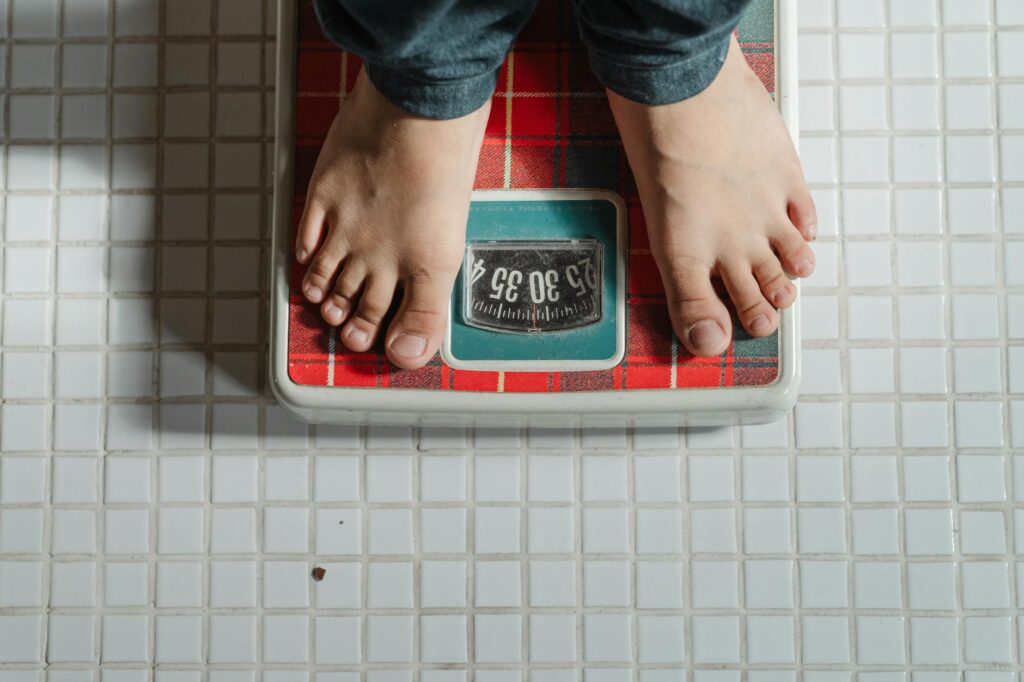
Are you lifting weights but not seeing any changes on the scale? For teenagers trying to gain weight and build muscle, eating enough of the right foods is just as important as working out. Muscle-building foods for teenagers trying to gain weight provide the fuel your body needs to grow stronger and healthier.
This article explains how to structure your diet to support weight gain and muscle development. You’ll find out which foods help you gain weight in a balanced way, how to space out your meals, and what to avoid so your progress stays on track.
Table of Contents
ToggleWhy Teenagers Need More Calories
Teenagers burn a lot of energy. Between school, sports, and growth, your body needs more food than you think. If you’re also trying to build muscle, that number goes even higher.
You can’t build muscle without enough calories. Your body needs more energy than it uses, and that starts with eating more meals and snacks throughout the day. Protein helps repair and build tissue, carbs provide energy, and fats support hormones and recovery.
Best Protein Foods For Muscle Growth
Protein is essential for adding muscle. You need it in every meal, especially around training.
Some of the best protein sources for teenagers include:
- Whole eggs: Easy to cook and full of protein and healthy fat
- Chicken thighs or ground turkey: Higher in calories than lean cuts
- Greek yogurt: Offers more protein than regular yogurt
- Milk: Whole milk adds protein, fat, and extra calories
- Protein shakes: Add oats, milk, or nut butter to increase calories
- Tofu and lentils: Good options if you don’t eat meat
Carbohydrates That Help You Gain Healthy Weight
Carbohydrates provide the energy you need to train and build muscle. Without enough carbs, your body won’t have the fuel it needs for high-intensity workouts or muscle repair.
To gain weight and build muscle, choose calorie-dense carbs:
- Oats: A great breakfast option that’s rich in fiber and energy.
- Sweet Potatoes: Full of nutrients, these provide lasting energy to support your workouts.
- Brown Rice and Quinoa: These whole grains are perfect for pairing with protein at lunch or dinner.
- Bananas: Packed with natural sugars and potassium, which support muscle function and recovery.
- Whole Wheat Pasta: A great way to add carbs to your meals, giving your body the energy it needs.
Healthy Fats That Support Muscle Gain
Healthy fats are an important part of your diet because they provide essential nutrients and help your body function at its best. Fats also increase your calorie intake, which is key when trying to gain weight.
Great sources of healthy fats include:
- Avocados: Rich in healthy monounsaturated fats, they’re perfect for adding calories to meals.
- Peanut Butter: Packed with healthy fats and protein, it’s perfect as a snack or added to smoothies.
- Nuts and Seeds: Easy to snack on and full of protein, fats, and other nutrients that support muscle growth.
- Olive Oil: Use it in cooking or drizzle it over meals to boost calorie intake.
- Fatty Fish (Salmon, Tuna): These provide both protein and healthy fats, essential for muscle growth and repair.
Meal Timing and Frequency for Muscle Gain
Eating regularly is crucial for gaining muscle and weight. Teenagers often have busy schedules, but it’s important to eat consistently to maintain energy and fuel muscle recovery. Aim to eat five to six smaller meals or snacks throughout the day.
Here’s an example of how you can structure your meals:
- Breakfast: Scrambled eggs with avocado and whole-grain toast
- Snack: Greek yogurt with nuts and honey
- Lunch: Grilled chicken with quinoa and sweet potatoes
- Snack: Peanut butter on whole-grain crackers
- Dinner: Salmon with rice and steamed vegetables
- Evening Snack: Cottage cheese with fruit
This routine ensures you’re getting enough calories and nutrients to support muscle growth throughout the day.
Hydration and Rest for Optimal Growth
Staying hydrated and getting enough rest is as important as eating the right foods. Dehydration can affect your muscle recovery, while lack of sleep can impair your growth and performance.
- Drink water consistently throughout the day, especially after workouts.
- Ensure you’re getting 8 to 10 hours of sleep each night to allow your muscles to recover and grow.
Proper hydration and sleep ensure your muscles have the environment they need to repair and build after each workout.
Wrapping Up
Building muscle as a teenager requires the right mix of nutrients and consistent eating habits. Protein-rich foods, healthy carbohydrates, and fats should be the cornerstone of your diet to support muscle growth and weight gain.
By focusing on whole, nutrient-dense foods and eating regularly, you’ll be on the right path to gaining muscle and increasing weight. Stay consistent with your nutrition, exercise, and rest, and you’ll see steady progress over time.
