
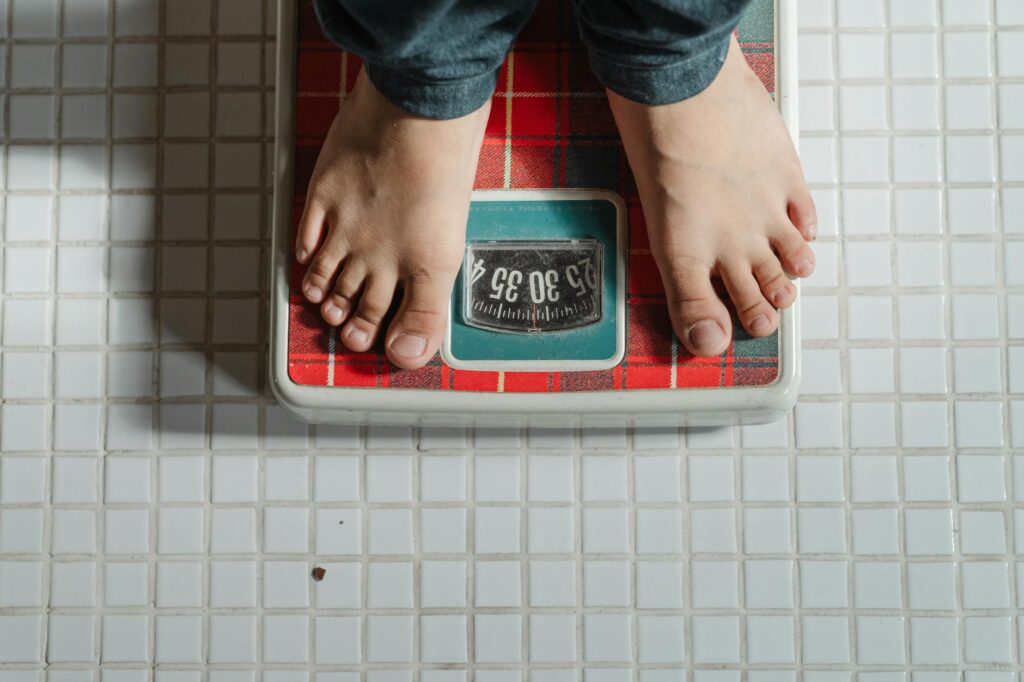
How to gain weight quickly for teens is a question many parents, coaches, and teenagers themselves search for when fast metabolism or busy schedules make it hard to add healthy pounds. Being underweight can lead to low energy, poor concentration, and delayed growth during these important years of development. Teens who struggle with appetite or rapid calorie burn often find it difficult to put on weight safely.
This article outlines safe and realistic strategies to gain weight without relying on junk food or supplements that promise fast results. From calorie-dense snacks to strength-focused movement and better meal timing, the steps below offer a structured plan that works with the needs of teen bodies and active lifestyles.
Table of Contents
ToggleFocus On High-Calorie, Nutrient-Rich Meals
To gain weight quickly, teens need to consume more calories than they burn each day. But it’s not just about quantity. The food should fuel muscle development, bone strength, and long-term energy. Whole foods like nuts, avocados, whole grains, and dried fruits are excellent choices.
Instead of loading up on sugar and fast food, look for dense sources of protein, healthy fats, and complex carbs. Meals should be balanced but bigger. Adding an extra spoon of peanut butter, olive oil, or hummus to dishes can significantly raise calorie intake without needing to eat larger portions.
Add Snacks Between Meals For Consistent Intake
Teens often miss out on weight gain because they eat just three meals a day. A quick way to add extra calories is by snacking strategically between those meals. Think of snacks as mini-meals rather than empty fillers.
Some good options include trail mix, cheese and crackers, protein shakes made with fruit and milk, or nut butter on whole grain toast. Keeping these options ready and accessible can help avoid long gaps between meals when calorie-burning is still happening.
Increase Portion Sizes Gradually
Trying to eat too much at once can lead to bloating or discomfort. Teens should slowly train their stomachs to handle more food by slightly increasing portion sizes at each meal. This allows the digestive system to adapt without stress.
Adding a second helping of rice, pasta, or roasted potatoes can make a big difference over the course of a week. Drinking a smoothie with breakfast or including a side dish with lunch are small upgrades that add up.
Choose Calorie-Dense Drinks That Support Growth
Drinks are often overlooked, but they can be powerful for weight gain. Teens can choose smoothies made with milk, fruit, oats, and nut butter, or try shakes with yogurt, honey, and bananas. These options provide calories along with nutrients like calcium and potassium that support development.
Avoid sugary sodas or energy drinks. They add calories but little else. Instead, use drinks to boost intake while supporting hydration and muscle recovery.
Build Muscle With Strength-Based Movement
Exercise is part of a healthy weight gain plan. The goal is not to burn calories through cardio but to build lean muscle. Teens should focus on bodyweight exercises, resistance bands, or light weights under supervision.
Short strength sessions three to four times a week help the body use the extra calories to build tissue, not store fat. Movements like push-ups, squats, planks, and rows are all effective. A steady routine also helps stimulate appetite, making meals more appealing.
Prioritize Sleep And Recovery Time
Weight gain doesn’t happen only in the kitchen or gym. Growth hormone, appetite regulation, and tissue repair all happen during deep sleep. Teens should aim for 8 to 10 hours per night to support these natural processes.
Lack of sleep can reduce appetite and slow down muscle development. A consistent sleep schedule, especially during growth spurts, can make the difference between maintaining weight and adding it.
Create A Consistent Eating Routine
Irregular eating habits make weight gain harder. Teens who skip meals or go long hours without eating miss valuable opportunities to take in calories. Creating a structure with three full meals and two snacks builds consistency.
Eating around the same times each day also helps regulate hunger signals. When the body expects food, it becomes easier to eat more without forcing it. Over time, this pattern supports steady weight gain.
Track Progress Without Obsessing Over Numbers
While the scale can help measure progress, it shouldn’t be the only marker of success. Energy levels, muscle tone, and appetite are all signs that a plan is working. Teens should check in weekly rather than daily and avoid comparing themselves to others.
A progress journal with meal ideas, workout notes, and physical changes can help keep motivation high. The goal is to develop habits that support a healthy body, not just reach a number.
Wrapping Up
Learning how to gain weight quickly for teens involves a balance of consistency, smarter choices, and body awareness. It’s about building strength and energy through targeted meals, snacks, and movement.
With the right routine and steady support, most teens can see progress within weeks. The key is to stay focused on quality and timing while allowing the body to respond naturally. Healthy weight gain is not instant, but it’s absolutely achievable with the right approach.