
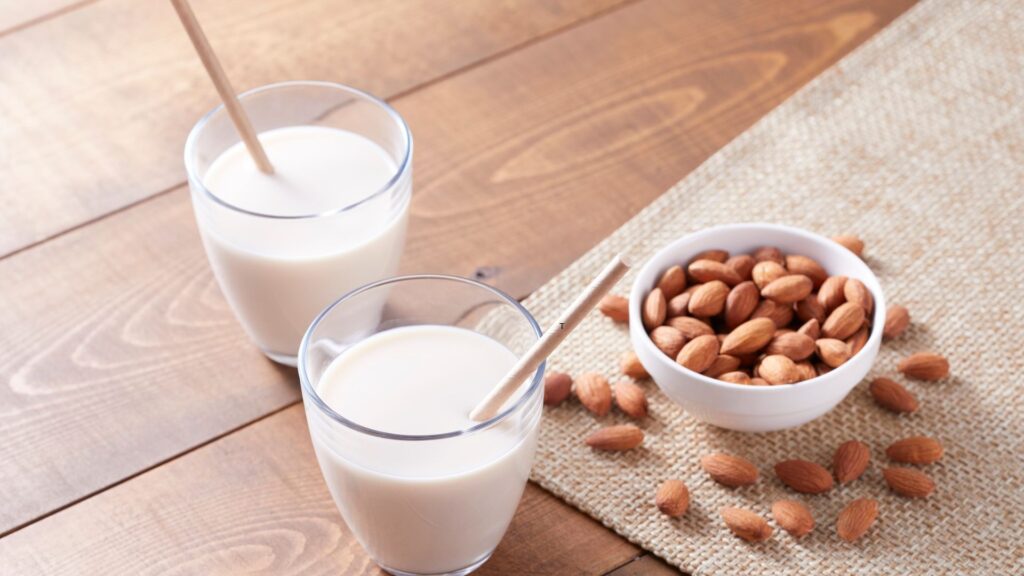
Almond milk is a popular plant-based milk substitute made by blending almonds with water and straining out the pulp. But just because it’s dairy-free or labeled “healthy” doesn’t mean it can’t lead to weight gain. So the big question is: Can almond milk make you fat, or is it actually a smart, low-calorie choice?
Let’s break it down, starting with what’s really inside your glass.
How Many Calories Are in Almond Milk?
One of almond milk’s biggest selling points is its low calorie content. A cup of unsweetened almond milk typically contains just 30 to 50 calories, which is significantly less than the 80 to 150 calories in dairy milk depending on fat content.
This calorie gap makes almond milk an attractive swap for anyone trying to reduce intake without sacrificing creamy texture. But as you’ll see next, not all almond milks are the same, and some come with a sugary twist.
What’s the Difference Between Sweetened and Unsweetened?
Here’s where things can get tricky. While unsweetened almond milk keeps things light, sweetened versions can contain 90 to 120 calories per cup, thanks to added sugars ranging from 7 to 15 grams.
That’s a big jump for a drink many assume is diet-friendly by default. So when scanning shelves for almond milk, don’t assume “original” or “vanilla” means healthy, check the label to avoid hidden sugar traps.
What About Its Fat Content?
Now, does almond milk have fats? Yes, almond milk does contain some fat, about 2.5 to 3 grams per cup but it’s mostly unsaturated fat, the kind that supports heart health and may even help with satiety.
Unlike whole dairy milk, almond milk has no cholesterol and almost no saturated fat. So while there is fat in almond milk, it’s not the kind typically linked with weight gain or cardiovascular risk.
Is Almond Milk Healthier Than Dairy Milk?
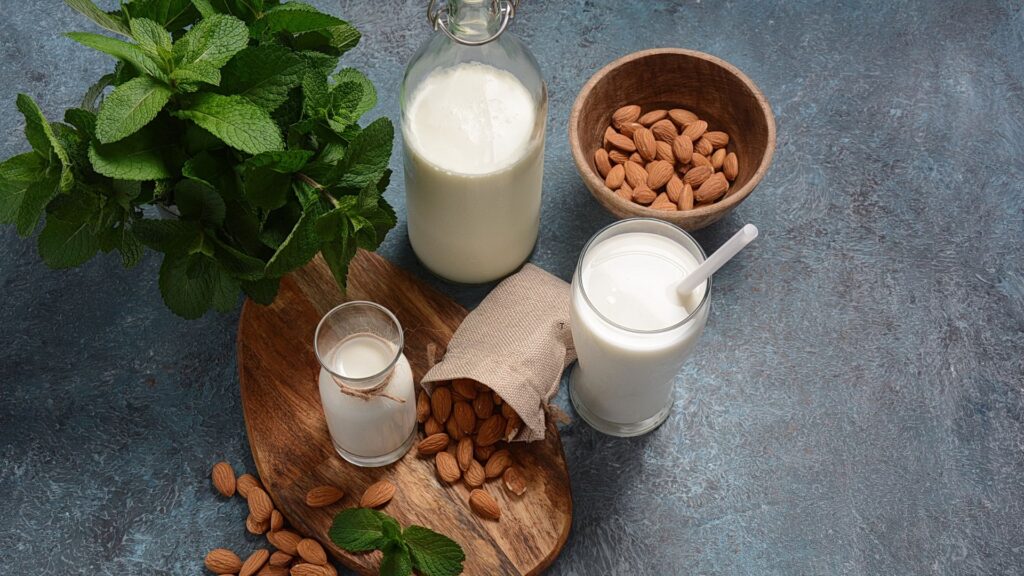
This depends on what you’re prioritizing. Almond milk wins in terms of calorie and fat content, especially when unsweetened. If you’re aiming to cut back on calories or avoid animal products, almond milk fits the bill.
However, almond milk is low in protein, offering just 1 gram per cup compared to 8 grams in dairy milk. If protein intake matters to you, say, for muscle maintenance or satiety, you’ll need to get it from other sources.
- Also Read: Is Soy Milk Fattening?
Can Almond Milk Help with Weight Loss?
If you’re swapping it in smartly, absolutely, almond milk can help with weight loss. Replacing high-calorie drinks like whole milk, sugary lattes, or even cream-based smoothies with unsweetened almond milk can significantly cut daily calorie intake.
But let’s be clear: almond milk isn’t a “weight-loss food.” It’s a tool. Weight loss still depends on overall diet and activity. Almond milk just makes it easier to shave off unnecessary calories without feeling deprived.
Are There Additives That Affect Weight?
Now we’re into the fine print. Many almond milks contain thickeners, stabilizers, and emulsifiers like carrageenan, gums, or lecithin. These don’t add many calories, but they can lead to digestive discomfort or bloating in sensitive individuals.
Some brands also add sunflower oil or sugar to improve creaminess and flavor. That sneaky teaspoon of oil? It adds up. Always check the ingredients list, not just the calorie count, if you’re watching your weight.
How Much Almond Milk Is Too Much?
Even good things have a limit. One to two cups of unsweetened almond milk per day is a reasonable and healthy amount for most people.
If you drink more than that, especially if it’s sweetened, you could quietly add 200 to 400 extra calories to your diet. Almond milk won’t make you fat on its own, but overconsumption still matters, just like with any other food or drink.
- Also Read: Is Raw Milk Fattening?
Should You Worry About Almond Milk in Coffee or Smoothies?
In small doses, no. A splash of almond milk in your coffee adds barely 10 to 15 calories. It’s a far lighter option than half-and-half or whole milk.
Smoothies, though, can be a calorie landmine. While almond milk is usually the lowest-calorie base, what you blend with it, such as bananas, nut butter, protein powder, can drive the calorie count sky-high. So no, almond milk isn’t the problem. But it can be part of the problem if you’re not careful with your mix-ins.
Bottom Line: Is Almond Milk Fattening or Not?
When consumed in moderation and in its unsweetened form, almond milk is far from fattening. It’s a low-calorie, low-fat beverage that fits well into most diets, especially for those cutting calories or avoiding dairy.
The real concern is hidden sugars, additives, and portion size. If you’re mindful of those, almond milk isn’t just safe, it can be a smart and supportive part of your weight-management strategy.