
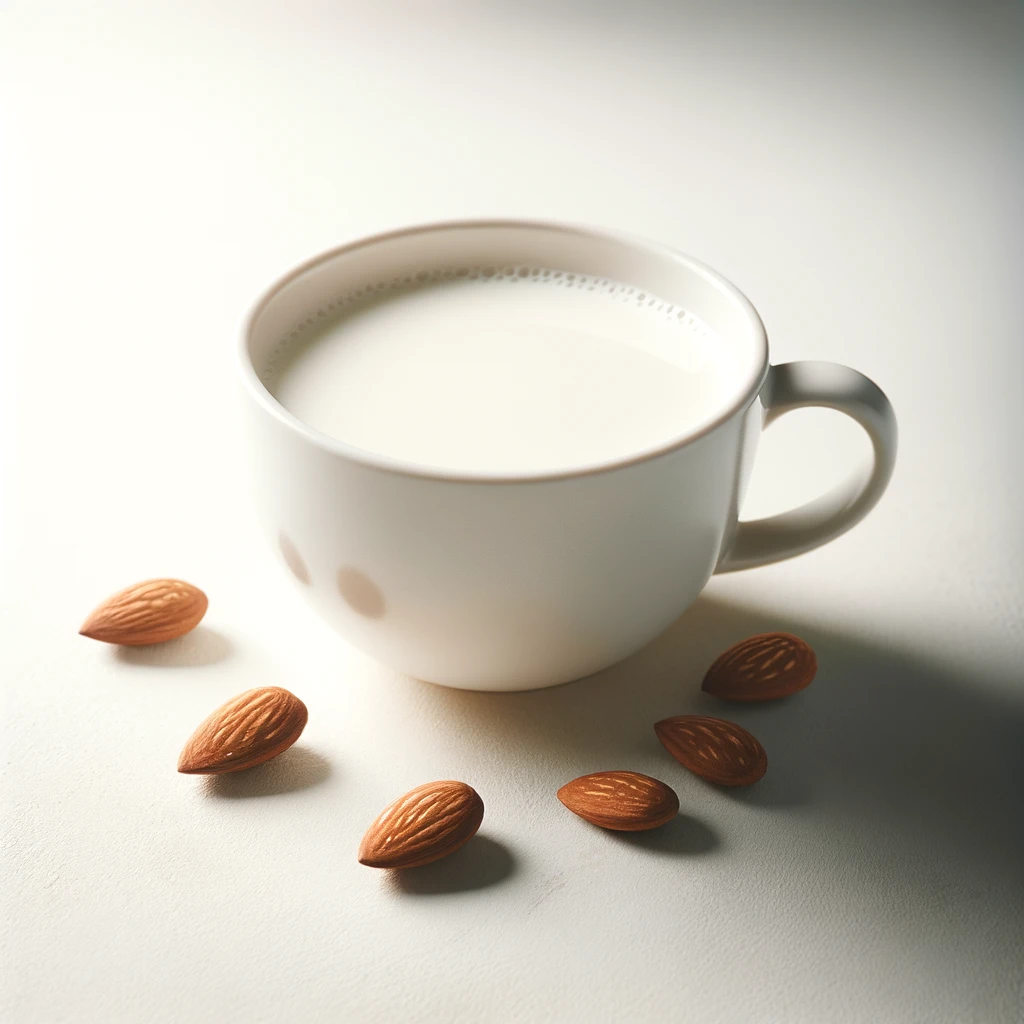
Almond milk is a plant-based beverage made from finely ground almonds and water. It has a nutty flavor, as well as a low-calorie count when compared to cow’s milk. But does almond milk go bad?
The answer is yes, it can spoil, just like any other milk. Unopened shelf-stable ones has a shelf life of several months up to a year, as indicated by the “best by” date on the package.
Once opened, however, it should be treated like refrigerated almond milk, stored in the fridge, and used within 7-10 days. This article explains its shelf life, spoilage signs, and how to store it properly. You’ll also learn about substitutes for almond milk and how to prepare it.
Table of Contents
ToggleHow long does almond milk last?
Almond milk, made by blending almonds with water and then straining out the solids, can come in two main varieties: shelf-stable and refrigerated. The type you purchase determines how you store it and its expiration timeline.
Shelf-stable
Shelf-stable almond milk is processed using ultra-high temperature (UHT) pasteurization, which allows it to be stored at room temperature until it’s opened. You’ll often find it in non-refrigerated aisles at the grocery store.
This type can last several months unopened. Always check the expiration date on the carton for the best-before date.
Refrigerated
This almond milk is sold refrigerated and should remain refrigerated. Once opened, it needs to be consumed within seven to ten days, as indicated on the label. Homemade variety has a much shorter shelf life due to the absence of preservatives. It should be consumed within 3-5 days.
Proper storage tips
Storing almond milk correctly ensures it remains fresh and safe to consume. Here are some practical tips to help you maintain the quality of your milk from the moment you purchase it until you’re ready to enjoy it.
- Keep it cool: Always store refrigerated almond milk in the fridge at or below 40°F (4°C). For shelf-stable variety, refrigerate immediately after opening and use within seven to ten days.
- Use the original container: Store it in its original container to prevent contamination and protect it from absorbing other flavors from your refrigerator.
- Keep it sealed: Exposure to air can spoil it quicker. Always ensure the carton is tightly sealed after each use.
- Store away from light: Light can degrade the quality of your milk faster, so store it in a dark part of your refrigerator, preferably at the back.
Spoilage signs
You should always check your milk before consumption, especially if it’s been stored for a while. One of the first indicators of spoilage is its smell. Fresh almond milk typically has a mild, slightly sweet, and nutty aroma. If you detect a sour, musty, or generally unpleasant odor, it’s a clear sign that your milk is no longer good to drink.
In addition, good almond milk has a smooth, even consistency. Any clumps or thickening means that it has spoiled. This can happen even before the expiration date if the milk is not stored properly.
Color changes are another warning sign. Any yellowish hue or other discoloration indicates that the milk should be discarded. While some separation of the almond solids from the water is normal (especially in homemade and some organic varieties), excessive separation that doesn’t recombine after a shake may also indicate spoilage.
What if I drank bad almond milk?
Drinking spoiled almond milk can be an unpleasant experience. You might experience symptoms like stomach ache, nausea, or bloating.
These symptoms are typically short-lived, and drinking plenty of water can help to flush your system. However, if you have severe or prolonged symptoms, it’s best to consult a healthcare provider.
What can I use instead of almond milk?
If you’ve run out of supply or your almond milk’s gone bad, several other plant-based milks can serve as excellent substitutes, providing similar nutritional flavors and benefits:
- Soy milk:This milk is rich in protein and typically fortified with vitamins and minerals, making it a strong nutritional match to cow’s milk. It works well in both cooking and baking due to its creamy texture.
- Coconut milk: Though lower in protein, coconut milk offers a creamier texture and slightly coconut flavor. It’s higher in fat, making it ideal for smoothies and desserts.
- Oat milk: Known for its sweet flavor, oat milk is a good source of fiber and is often enriched with vitamins and minerals. It works well in coffee, tea, and baked goods.
- Rice milk: Lower in protein and high in carbs, rice milk is the most hypoallergenic of all milk alternatives. It’s pretty thin and naturally sweet, which works well for baking or consumption straight from a glass.
- Cashew milk: Similar to almond milk, cashew milk has a creamy texture and a subtle nutty flavor. It’s excellent in sauces, soups, and smoothies, and it’s low in calories and rich in essential nutrients when fortified.
How to make almond milk
Here’s what you need:
Ingredients
- 1 cup raw almonds
- 2 cups water (for soaking)
- 4 cups water (for blending)
- Optional: Sweeteners like honey, sugar, vanilla extract, or dates
Instructions
- Place the almonds in a bowl and cover with about 2 cups of water. Let them soak overnight or at least 8 hours. After soaking, drain the almonds and rinse them under cool running water.
- Next, add the soaked almonds and 4 cups of fresh water to a blender. Blend high for 1-2 minutes until the mixture is smooth and creamy.
- Now, strain the milk. Place a nut milk bag over a large bowl and pour the almond mixture into the bag. Squeeze and press with clean hands to extract as much almond milk as possible.
- If desired, return the milk to the blender and add any sweeteners or flavorings, blending to combine.
- Pour the milk into glass bottles or airtight containers and refrigerate immediately.
- Homemade almond milk will keep in the fridge for up to 5 days. Shake well before each use as it may separate over time.
Wrapping up: So, does almond milk go bad?
Almond milk, much like oat milk, can spoil. Unopened, store-bought ones typically comes with a use-by date, which can be several months away. Once opened, it should be refrigerated and consumed within 7-10 days.
Homemade almond milk, lacking preservatives, has a shorter shelf life. It should be used within 3-5 days. Always trust your senses—sight, smell, and taste—to determine if it’s still good to consume.
