

Ever cared to know about the health benefits of lima beans?
Lima beans, also known as butter beans or sieve beans, helps improve heart health, digestion and supports weight loss. They are a popular ingredient in Southern cuisine in the United States, where they are used in stews, soups and side dishes.
This guide provides an in-depth look at the health benefits of lima beans, potential risks, storage tips, and ways to incorporate them into your diet.
What are lima beans?
Before we delve into the health benefits of lima beans, let’s discover what lima beans are. So what is lima beans?
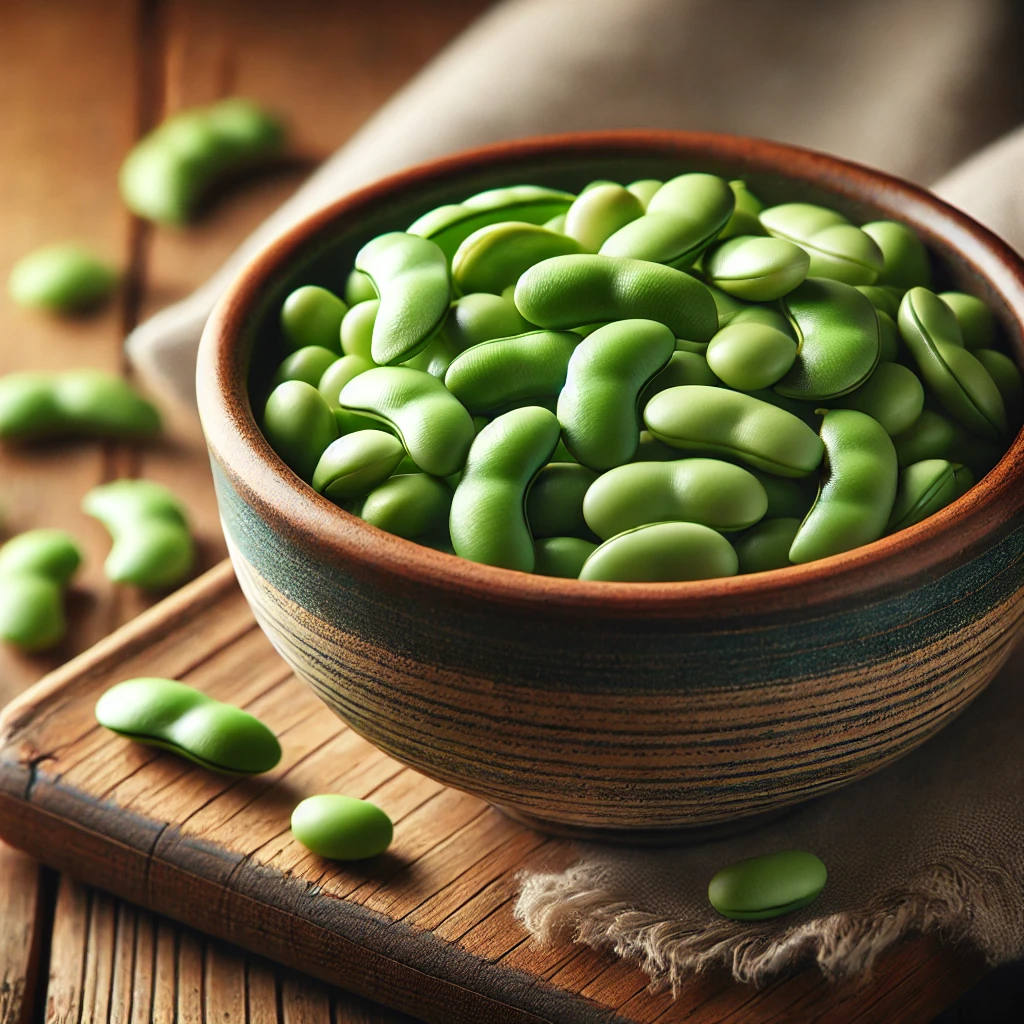
Scientifically known as Phaseolus Lunatu, lima beans is a kidney-shaped legume which may be light green or cream in color. They are named after the capital city of Peru, Lima, where they were widely grown.
There are two main varieties of lima beans: baby lima beans, which are smaller and have a milder flavor, and Fordhook lima beans, which are larger and have a richer, buttery taste.
Lima beans nutrition facts
Lima beans are packed with vital vitamins and minerals, including folate, iron, magnesium, potassium, and vitamin B6. A cup serving of cooked lima beans (approximately 188 grams) contains the following:
- Calories: 216 kcal
- Carbohydrates: 39.3
- Dietary Fiber: 13.2 g (47% DV)
- Sugars: 5.5 g
- Protein: 14.7 g (29% DV)
- Total Fat: 1 g
- Saturated Fat: 0.2 g
- Monounsaturated Fat: 0.06 g
- Polyunsaturated Fat: 0.32 g
- Cholesterol: 0 mg
- Folate (B9): 39% DV
- Thiamin (B1): 25% DV
- Vitamin B6: 18% DV
- Vitamin C: 19 mg
- Copper: 49% DV
- Manganese: 42% DV
- Potassium: 21 mg
- Magnesium: 19% DV
- Phosphorus: 17% DV
- Iron: 25% DV
- Zinc: 16% DV
- Sodium: 29 mg
Top 7 health benefits of lima beans
1. Better heart health
One of the major benefits of lima beans is its role in heart health. The high fiber content helps lower LDL cholesterol levels, while the significant amounts of magnesium and potassium aid in regulating blood pressure.
Additionally, lima beans are rich in folate, which is associated with lower homocysteine levels—a risk factor for cardiovascular diseases.
2. May help regulate blood sugar
Due to its rich fiber content, lima beans have a low glycemic index, meaning they release sugar slowly into the bloodstream.
This makes them an excellent food choice for individuals with diabetes or those at risk of developing the condition. The fiber content further helps in improving long-term glycemic control.
3. May help combat anemia
Lima beans are a good source of iron, which is essential for red blood cell production and prevention of iron-deficiency anemia. The iron in lima beans helps improve oxygen transport throughout the body, boosting energy levels and reducing fatigue.
4. Improves digestive health
One noteworthy benefit of eating lima beans is its effect on digestion. Lima beans are rich in dietary fiber, with just one cup providing over 13 grams, which is more than 50% of your daily recommended intake.
This fiber adds bulk to your stool and supports regular bowel movements, reducing the risk of constipation, diverticulitis, and hemorrhoids.
- Also read: Health Benefits Of Bok Choy
5. Supports weight management
Another health benefit of lima beans is that it can aid weight loss. They are low in fat but high in protein and fiber, making them a satisfying addition to any weight management diet.
The protein helps in muscle growth and repair, while the fiber keeps you feeling full longer, reducing overall calorie intake.
6. Good for expectant mothers
For pregnant women, lima beans are a valuable source of folate, a B-vitamin essential for DNA synthesis and cell division.
Adequate folate intake during pregnancy is crucial for preventing neural tube defects and promoting healthy fetal development.
7. Improved brain function
Butter beans are an excellent source of manganese, a mineral crucial for brain health.
Manganese acts as a cofactor for various enzymes that help protect against oxidative stress, which can damage brain cells over time.
How to incorporate lima beans into your diet
Lima beans are versatile and can be easily incorporated into various dishes. Here are some ideas:
Lima beans soup
Lima beans can be used to prepare delicious soups with a thickened texture. To achieve this, boil dry or fresh lima beans with vegetables like carrot, celery, onions, and add thyme and bay leaves for flavor. Serve with crusty bread for a complete meal.
Lima bean hummus
Lima beans hummus can be a very nutritious alternative for the traditional hummus, like they say variety is the spice of life.
Cook lima beans till tender, then blend with lemon juice, tahini, olive oil, and spices like cumin and paprika. There you go, your lima beans hummus is ready, you can serve with pita bread, sandwich or vegetable sticks.
Lima beans and rice casserole
This combo makes a delicious and satisfying meal. Mix cooked lima beans with cooked rice, sauteed onions, bell pepper. Then add a creamy sauce of milk, alongside shredded cheese for extra richness. Bake this mixture until the top is creamy and bubbly.
Side dishes
Lima beans make very good side dishes, either on their own or in combination with other ingredients. To achieve this, saute them with garlic, onions and a splash of white wine for flavor. This can be eaten with grilled meat or fish. You can also add them to grain dishes like rice, quinoa and couscous also blend well with other courses.
Potential risks
When eating lima beans, it’s very important to be aware of some side effects, especially if not properly prepared.
Lima beans contain a compound called linamarin, which can release cyanide when eaten raw or undercooked. To avoid this, cook beans thoroughly, for at least 15 minutes, to ensure all potential toxins are neutralized.
A second thing to consider is that lima beans are high fiber, thus, may cause digestive discomfort, especially for those not used to high fiber diets. Gradually incorporating lima beans into your diet will help in this case.
Furthermore, lima beans contain anti nutrient like phytic acid which can prevent the absorption of minerals like iron and calcium. However, soaking and cooking the beans properly can reduce the levels of these antinutrients, minimizing their impact on nutrient absorption.
Lastly, people with allergies to legumes should consult a doctor before including lima beans to their diet. Symptoms of a legume allergy can include hives, swelling, digestive distress, and in severe cases, anaphylaxis.
- Also read: Can Pregnant Women Eat Salami?
How to store lima beans
Now you know the health benefits of lima beans, let’s get into how to store them properly.
Dry lima beans can last up to a year if stored correctly. Keep them in an airtight glass or metal container in a cool, dry place, away from direct sunlight.
Cooked lima beans, on the other hand, should be stored in the refrigerator in an airtight container. They can last for up to four days in the fridge.
For longer storage, cooked lima beans can be frozen. Place them in a freezer-safe container, and they can last for up to three months. Thaw frozen beans in the refrigerator overnight before reheating.
Frequently Asked Questions
Are lima beans healthy?
Yes, lima beans are considered very healthy. They are a great source of dietary fiber, protein, and a variety of essential vitamins and minerals, including iron, magnesium, potassium, and folate.
Are lima beans good for weight loss?
Yes, lima beans are very helpful in losing weight, due to its high fiber content it promotes satiety and prevents overeating.
Can people with diabetes eat lima beans?
Yes, lima beans is excellent for diabetics. Its high fiber content and low glycemic index helps in regulating blood sugar.
Is edamame the same as lima beans?
No, edamame and lima beans are not the same. Edamame are young, green soybeans that are harvested before they fully ripen. On the other hand, lima beans are a starchy legume. They have a creamy texture and a more buttery taste compared to edamame.
Wrapping up
Lima beans are a highly nutritious and versatile food that can be a valuable addition to any diet. They offer numerous health benefits, including protein, fiber, and essential vitamins and minerals, while also helping to manage cholesterol and blood sugar levels.
Remember to cook them properly to minimize digestive issues and other potential side effects. Happy eating!
