
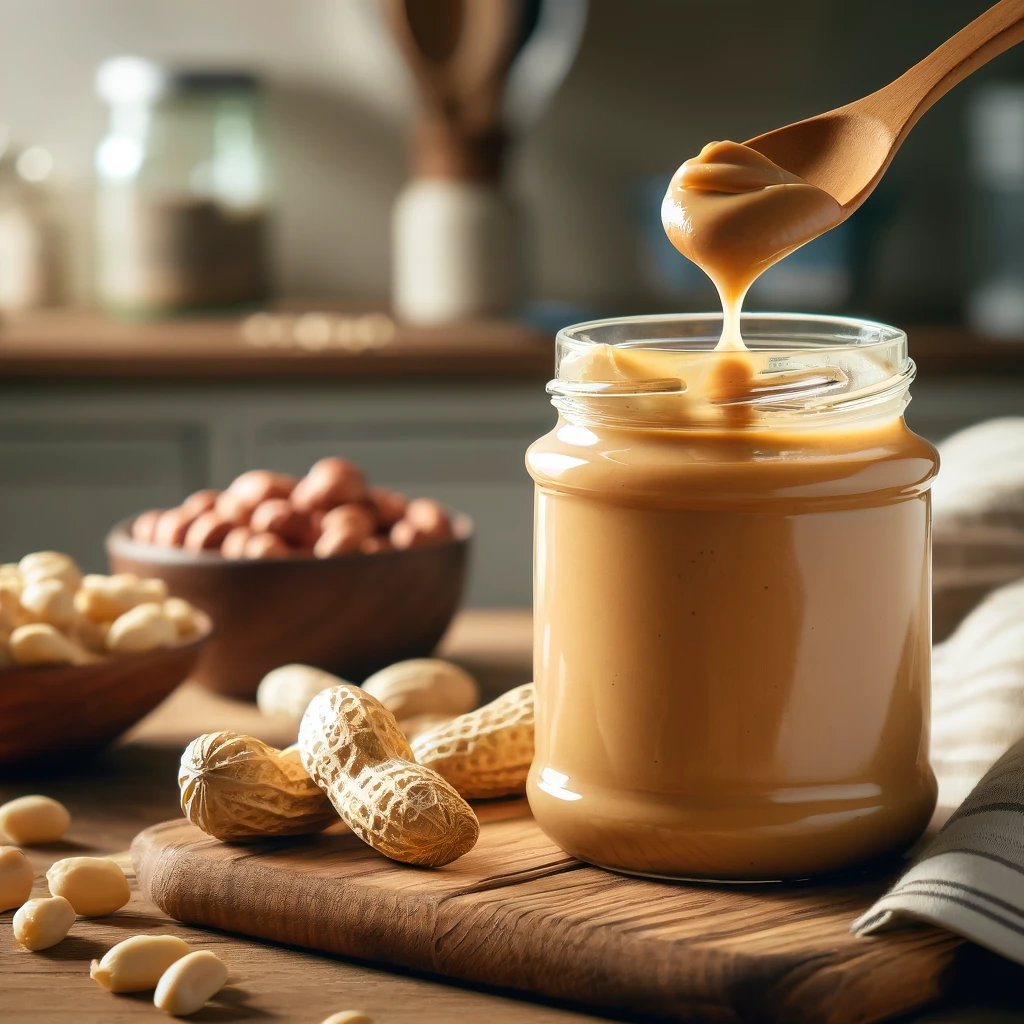
Craving peanut butter can be due to a specific nutrient deficiency or a response to emotional and psychological factors. While peanut butter cravings provide vital nutrients like protein and healthy fats, it is important to remember that this snack is calorie-dense.
In this article, you will learn about nine possible reasons why you crave peanut butter and other alternatives to satisfy your peanut butter craving.
Table of Contents
Toggle9 Likely reasons you crave peanut butter
1. Protein deficiency
Peanut butter is a good source of protein; a typical serving (about two tablespoons) contains 7 grams of protein, contributing approximately 14% of the Daily Value (DV).
If you find yourself craving peanut butter, it could be your body’s way of signaling a need for more protein, especially if your diet lacks meat, dairy, or other protein sources.
2. Fatty acid deficiency
Peanut butter is rich in healthy fats, with about 16 grams of total fat per serving. If your diet is low in these monounsaturated and polyunsaturated fats, your body might crave peanut butter to boost its intake.
3. You’re deficient in magnesium
Peanut butter offers about 49 milligrams per two tablespoons, approximately 12% of the DV. Magnesium plays a vital role in over 300 enzymatic reactions in the body, including energy creation and muscle function. A craving for peanut butter can be a subtle hint that your diet needs more magnesium-rich foods.
4. Energy boost
Peanut butter is calorie-dense and provides a quick source of energy. If you’re feeling fatigued or need a quick energy boost, your body might crave peanut butter to replenish its energy stores. This is especially common if you follow a keto or vegan diet, you might crave peanut butter as a convenient and tasty source of energy.
5. You simply love the taste
The unique and creamy flavour of peanut butter can make it particularly crave-worthy. It offers a perfect balance of sweet and salty that many find irresistible, and its smooth, rich texture can be very satisfying to eat.
6. You’re stressed
For many, peanut butter is a comfort food linked with childhood memories like peanut butter sandwiches or snacks. If you’re feeling emotionally overwhelmed, stressed, or anxious, you might crave peanut butter as a form of self-soothing.
Moreover, peanut butter contains beta-sitosterol, a compound known to help stabilize cortisol levels and potentially mitigate stress effects.
7. Pregnancy needs
During pregnancy, cravings for peanut butter might spike due to increased nutritional demands. The body requires more protein, healthy fats, and calories during this time, making peanut butter an appealing choice.
Additionally, the sensory pleasure of eating peanut butter can also play a role in fulfilling emotional needs that are heightened during pregnancy.
8. General craving for fats and sugars
The combination of fats and sugars in peanut butter makes it highly palatable, providing a sense of pleasure. This attribute makes peanut butter a frequent choice for satisfying general cravings, as it can provide both a quick energy boost and a comforting taste.
9. You’ve become fond of it
Sometimes, cravings are simply a matter of habit or conditioning. If peanut butter has been a regular part of your diet, your body might crave it out of habit.
Cravings can also be triggered by associations with certain activities or times of the day. For example, if you usually have peanut butter as a late-night snack, your body might start craving it in the evening.
Alternatives to peanut butter
If you’re looking for alternatives to peanut butter due to allergies, dietary preferences, or just a desire for variety, there are plenty of options available:
- Almond butter: This offers a slightly sweet flavor and a smooth texture. It is rich in monounsaturated fats, fiber, vitamin E, magnesium, and calcium. Use it as a spread on toast, mix it into smoothies, or as a dip for fruits and vegetables.
- Cashew butter: This works well in sweet and savory dishes and can be used in baking, sauces, and spreads. It is a good source of healthy fats, protein, magnesium, zinc, and iron.
- Sunflower seed butter: An allergy-friendly alternative to peanut butter, sunflower seed butter is rich in nutrients like vitamin E, magnesium, and selenium.
- Soy nut butter: Made from roasted soybeans, soy nut butter is another nut-free alternative to peanut butter. It is high in protein and fiber and can be used in sandwiches, snacks, and recipes.
- Coconut butter: Made from pureed coconut flesh, coconut butter has a sweet and tropical flavor. It’s rich in healthy fats and fiber but lacks the protein found in other nut butters.
- Tahini: This is a paste made from ground sesame seeds. It is commonly used in Middle Eastern cuisine, including hummus and dressings. Tahini is high in healthy fats, protein, calcium, and iron.
- Pumpkin seed butter: Pumpkin seed butter is a nutritious alternative with a distinctive green color and earthy flavor. It is rich in protein, healthy fats, zinc, and magnesium.
Why am I craving peanut butter on my period?
Craving peanut butter during your period is primarily due to hormonal fluctuations. During the menstrual cycle, hormones like estrogen and progesterone fluctuate, affecting serotonin levels and mood.
Peanut butter contains tryptophan, an amino acid that converts to serotonin, the “feel-good” hormone. When serotonin levels drop, your body may begin to crave foods that boost serotonin, like peanut butter.
Why am I craving peanut butter and pickles?
Craving peanut butter and pickles might reflect a desire for a balance of flavors and textures – the creamy, salty sweetness of peanut butter contrasted with the crunchy, tangy taste of pickles.
This craving can also result from nutrient deficiencies, particularly in sodium and protein, which both peanut butter and pickles provide.
Can thyroid problems make you crave peanut butter?
Thyroid problems, particularly hypothyroidism, can lead to intense cravings for high-calorie foods. This is because hypothyroidism slows down metabolism, causing fatigue and a need for more energy-dense foods like peanut butter.
Additionally, hypothyroidism can cause deficiencies in certain nutrients such as iodine, selenium, and zinc. Peanut butter contains several of these nutrients, particularly magnesium and zinc, which may explain why those with thyroid issues might crave peanut butter as their body attempts to correct these deficiencies.
Wrapping up: Why am I craving peanut butter?
In this article, we have examined nine possible reasons for peanut butter cravings, ranging from nutritional deficiencies, dietary habits, and health conditions. While peanut butter offers numerous health benefits, it’s essential to consume it in moderation to avoid excessive weight gain.
You might also consider alternatives like almond or cashew butter, which offer similar nutritional benefits but with fewer calories. Limit your intake to a few tablespoons per day to enjoy the benefits of peanut butter without overindulging.
