
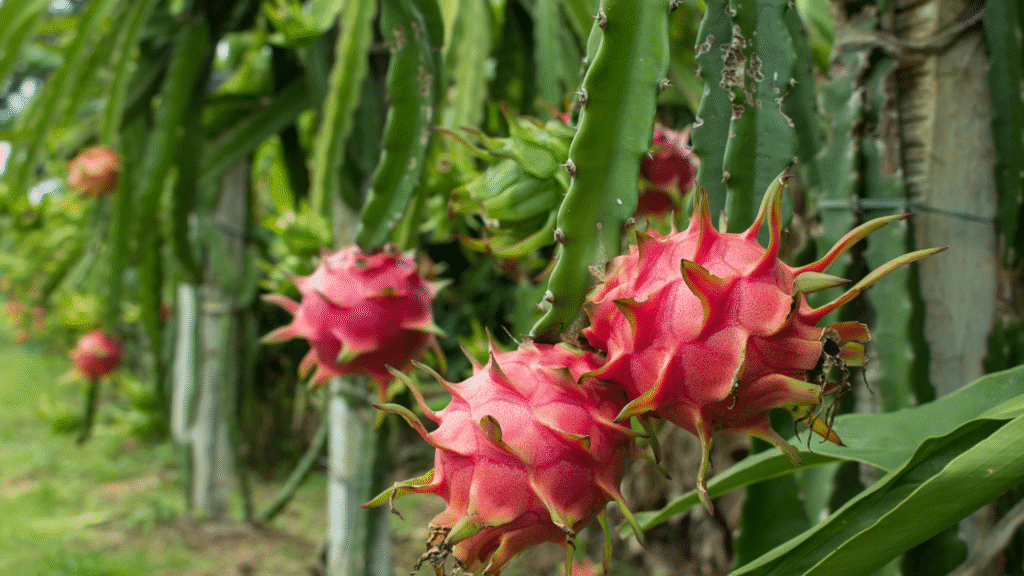
Dragon fruit, or pitaya, is a climbing cactus native to tropical regions. It’s known for its eye-catching appearance and ability to thrive in warm, dry conditions. Though relatively easy to grow, dragon fruit plants are sensitive to a few specific growing conditions. Understanding common pitfalls can help you avoid wasting time and effort on poor results.
In this article, you’ll learn the most frequent mistakes people make when growing dragon fruit. From planting location to care routines, these insights will help you grow a healthier plant that produces vibrant, high-quality fruit.
Planting in the Wrong Location
Location matters more than most people think. Dragon fruit needs direct sunlight for at least six hours a day and doesn’t perform well in shade. Gardeners often plant it near walls or under trees, thinking partial shade will prevent sunburn, but that weakens the plant over time.
Poor airflow in tight spots can also encourage mold and mildew, especially during humid months. The cactus prefers dry, breezy conditions and lots of space to spread. A bright, open location gives it the support it needs to grow upward and remain productive.
Not Providing a Strong Support Structure
Unlike many fruiting plants, dragon fruit doesn’t grow in a bush or tree form. It’s a vining cactus that relies heavily on a vertical support structure. Growing it without one causes the stems to droop, break, or grow unevenly, limiting fruit production.
Some growers use bamboo poles or wire trellises, but those often fail once the plant becomes heavy. As the cactus matures, its limbs become thick and can pull down weaker supports. A concrete or wooden post with a cross-arm at the top works best to give it shape and durability.
Support Tips
Use a post that is at least five feet tall and anchor it deeply into the ground. Tie the main stem as it grows to guide it upward. Let the arms cascade from the top to maximize light exposure and fruit development.
Overwatering or Using the Wrong Soil

Dragon fruit is still a cactus, which means it hates soggy roots. New growers often assume tropical plants need frequent watering, but for dragon fruit, that leads to root rot and fungal infections. Another mistake is planting in clay soil that holds too much water.
This plant needs loose, well-draining soil that mimics dry, rocky environments. Overwatering during rainy seasons or using soil that compacts easily can suffocate the roots and kill the plant. Even short periods of standing water can cause long-term damage.
Better Soil and Watering Practices
Use a cactus or succulent soil mix with perlite or sand added for improved drainage. Water deeply but allow the soil to dry out before watering again. In pots, ensure they have multiple drainage holes and never leave them sitting in trays of water.
- Also Read: How to Cut Dragon Fruits
Forgetting to Prune
Pruning may not seem necessary for a cactus, but dragon fruit benefits from routine maintenance. Letting it grow unchecked leads to tangled limbs that block sunlight and crowd each other. Over time, this reduces air flow and encourages pests and disease.
Some growers fear damaging the plant, so they avoid pruning entirely. In reality, well-placed cuts help redirect energy into productive limbs and improve flowering. Left on its own, the plant can become overgrown and harder to manage.
Pruning Advice
Focus on removing dead or crossing stems. Prune branches that hang too low or grow away from the support structure. Clean your pruning tools before use to prevent infections, and try to prune during dry weather.
Growing in the Wrong Climate
Dragon fruit can’t tolerate cold temperatures. Trying to grow it outdoors in cooler regions without protection is a common mistake. Even a brief frost can damage or kill the plant, and inconsistent temperatures slow its growth significantly.
Too much rain or high humidity can also create problems. The plant thrives in warm, dry climates and needs a consistent growing season. If your region experiences cold winters or long wet periods, you’ll need to take extra steps.
Solutions for Challenging Climates
In cooler zones, grow dragon fruit in large pots so you can move them indoors when needed. Use a greenhouse or sunny windowsill during the colder months. In wet climates, raise plants off the ground and cover them during heavy rain to avoid waterlogging.
Conclusion
Dragon fruit plants grow best in well-lit, dry environments with good structure and care. The most common mistakes: bad soil, poor placement, weak support, overwatering, and skipping pruning, are all preventable with a bit of attention.
By avoiding these issues early on, you increase your chances of growing a strong, fruit-bearing plant.
