
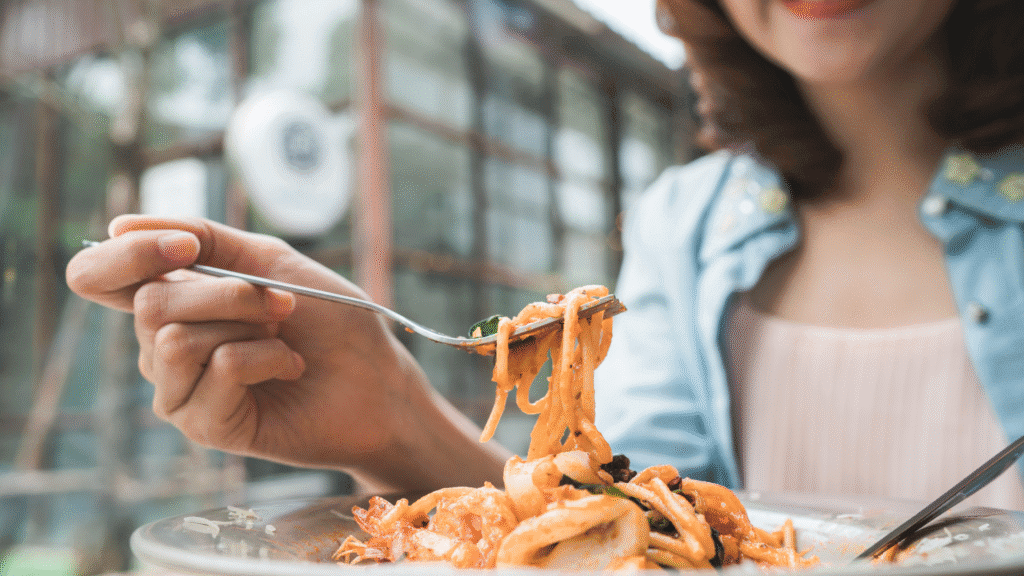
Ready-to-eat (RTE) foods, such as deli meats, soft cheeses, pre-packaged salads and convenience meals, offer convenience but also carry hidden safety risks when contamination occurs. One of the most concerning pathogens is Listeria monocytogenes, a bacterium capable of surviving under refrigeration and causing serious illness.
This article explains how listeria spreads in ready-to-eat foods, outlines the recent ready-to-eat food Listeria outbreak statistics, and explains what consumers and food handlers must watch for. You’ll also get practical guidance on consumer tips for safe handling and storage of ready-to-eat meals, and how manufacturing and retail environments can prevent listeria in ready-to-eat food production.
What Is Listeria and Why It Matters
Listeria monocytogenes is a bacterium that causes the infection known as listeriosis, particularly serious for pregnant women, older adults and individuals with weakened immune systems. Unlike many food-borne pathogens, Listeria can grow at refrigeration temperatures, making it especially relevant in chilled and ready-to-consume foods.
The illness may begin with flu-like symptoms including fever, muscle aches and gastrointestinal upset; in severe cases, it can lead to bloodstream infections, meningitis or, in pregnant women, miscarriage or stillbirth. The consumption of RTE foods, which bypass cooking, means any contamination in these products or during storage may directly impact health.
How Listeria Spreads in Ready-to-Eat Foods
Listeria contamination may occur across the food chain—from farm to shelf—so it is crucial to understand how and where contamination and growth occur.
Entry Points in the Food Chain
Listeria is naturally found in soil, water and decaying vegetation, enabling it to enter food systems via raw materials (produce, animal products) and through the environment. In processing plants it can be introduced when:
- Raw ingredients are contaminated;
- Equipment or surfaces are not adequately cleaned;
- Cross-contact occurs between raw ingredient zones and ready-to-eat zones;
- Packaging or slicing operations allow ingress of bacteria from the environment.
Even a small lapse in sanitation can allow Listeria to persist in moist locations such as drains, conveyor belts or cutting tools, creating a reservoir for contamination.
Growth and Survival in Cold Environments
A major factor that distinguishes Listeria is its ability to survive and grow at low temperatures—unlike many other pathogens. It can grow at refrigeration temperatures (0-4 °C) and survive freezing, brine and moderately acidic conditions.
In a processing or retail environment, prolonged storage or poor temperature control can increase the risk that the bacterium will reach infectious levels over time. This means that even chilled RTE foods, if stored too long or at slightly elevated temperatures, can become hazardous.
Specific Risks in Ready-to-Eat Foods

RTE foods such as deli meats, smoked fish, soft cheeses, pre-packaged salads and sandwiches are particularly vulnerable because they often undergo minimal or no cooking before serving. Contamination risks in RTE items include:
- slicing or repackaging in delis or retail counters;
- contact with contaminated equipment, gloves or surfaces;
- condensation or moisture in display cases or packaging facilitating bacterial survival and spread.
The recent outbreak data emphasize this risk: for example, a multistate outbreak in the U.S. tied to prepared pasta meals reported 27 illnesses across 18 states, 25 hospitalisations and 6 deaths. The implicated products were widely sold refrigerated and contained pre-cooked pasta.
What to Watch For as a Consumer or Food Handler
Understanding high-risk food categories and safe practices is key to reducing the chance of infection.
Risky Food Categories
Items with particular risk for Listeria contamination include:
- Pre-cut fruits and vegetables ready to eat;
- Deli meats and pâtés;
- Soft cheeses, especially from unpasteurised milk;
- Refrigerated smoked seafood;
- Ready-to-eat salads, pasta meals and sandwiches.
Safe Handling and Storage Practices
Practical measures consumers and food-handlers can adopt include:
- Ensuring refrigerators operate at or below 4 °C (40 °F);
- Cleaning shelves, drawers and surfaces regularly;
- Consuming RTE products well before their ‘use-by’ or ‘best-if-used-by’ dates;
- Separating raw and ready-to-eat items during storage;
- Washing hands after handling raw foods or packaging;
- Reheating RTE foods (where applicable) to steam or internal temperature above 74 °C (165 °F) to inactivate Listeria.
Warning Signs and Vulnerable Groups
Pregnant women, older adults and immunocompromised persons are especially at risk. Early symptoms of listeriosis may be mild but can escalate—pregnant women may experience only mild illness while the fetus may suffer serious harm.
The recent U.S. outbreak of prepared pasta meals noted a median age of 74 among cases, illustrating the vulnerability of older age groups.
Strategies for Prevention in Manufacturing and Retail Environments
Strategies for Prevention in Manufacturing and Retail Environments
Preventing listeria contamination in ready-to-eat food manufacturing and retail requires systematic controls and vigilance.
Manufacturers and retailers should adopt these priority actions to control listeria in ready-to-eat meals:
- Design processing facilities with clear separation of raw-material zones and ready-to-eat food production lines and storage.
- Implement environmental monitoring programs to detect Listeria monocytogenes in non-food contact areas, equipment, drains and surfaces.
- Use whole-genome sequencing and traceback methods to link isolates from processing environments to illnesses, enabling targeted recalls. For example, in the recent outbreak, a sample of pasta used to make ready-to-eat meals tested positive and was genetically related to the outbreak strain.
- Establish rigorous sanitation regimes, including equipment cleaning, surface disinfection, drain maintenance and condensation control within cooling systems.
- Provide staff training in hygiene, proper handling of ready-to-eat meals, and awareness of listeria-specific risk points (e.g., chilled display units, slicing operations).
- Retailers must monitor temperature control of chilled ready-to-eat meals, check for recalls, and rotate stock to avoid extended storage of vulnerable items.
- Swiftly recall contaminated ready-to-eat foods when listeria contamination is confirmed. The 2025 recall of 86 ready-to-eat meals illustrates how critical this step is.
By integrating these strategies, food businesses can significantly reduce the risk of listeria in ready-to-eat food production and distribution.
Wrapping Up
Listeria monocytogenes remains a significant threat in the ready-to-eat food sector due to its ability to survive in chilled environments and its presence throughout the food supply chain. Recent outbreaks—including those linked to prepared pasta meals, snack boxes and frozen supplemental shakes—underscore how even widely distributed convenience foods can become vehicles for infection.
Consumers, food-service operators and manufacturers all have a role to play. By recognizing high-risk categories, following strict storage and hygiene practices, and maintaining vigilant production controls, the convenience of ready-to-eat foods can be enjoyed without unduly exposing vulnerable individuals to listeria.