

Fresh spinach wilts fast. You buy a vibrant bunch one day, and within two or three days, it’s limp and unappetizing. This often leads to waste, both food and money. The good news? There’s a simple method to freeze spinach that keeps its color, texture, and most importantly, its nutrients intact.
This guide walks you through each step of freezing fresh spinach at home. You’ll learn what to prep, how to blanch, and which freezing method best fits your kitchen setup. Let’s make that spinach last.
Why Freezing Spinach the Right Way Matters
Spinach is packed with vitamins like A, C, and K, along with folate and iron. But these nutrients break down quickly after harvest. Once the leaves start turning slimy or dull, you lose much of the benefit.
Freezing gives you control. But doing it wrong, skipping steps or using poor storage, can turn spinach into a mushy, bland mass. When frozen correctly, spinach holds its shape better and remains useful for smoothies, soups, and sautés for months.
Step 1: Choose the Freshest Leaves
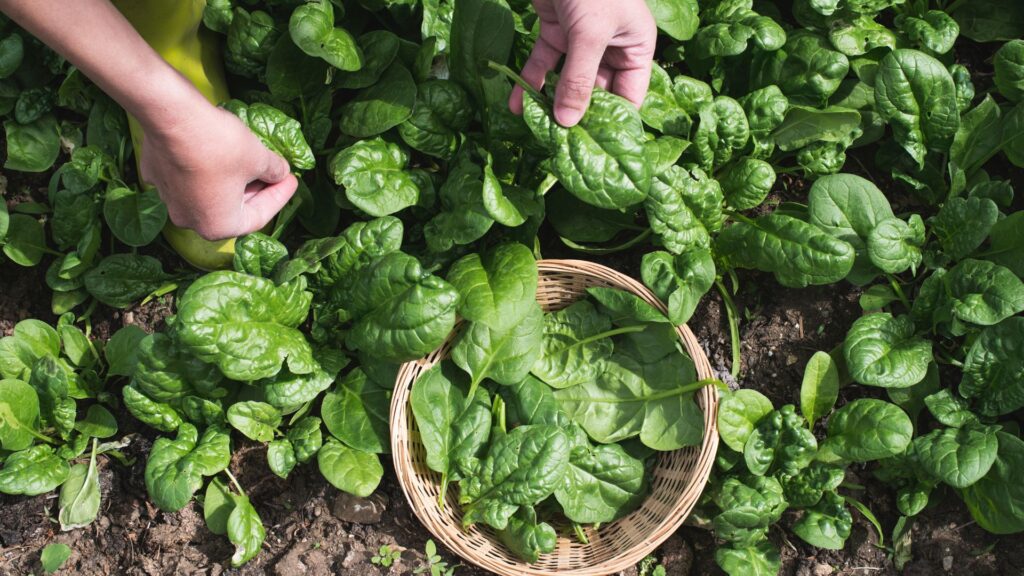
Spinach should be deep green and crisp when you buy or pick it. Avoid yellowing leaves, slimy stems, or strong odors. These are signs the spinach is already past its prime and won’t freeze well.
If you’re harvesting from a garden, try to pick in the morning when the leaves are hydrated. Freshness at the start makes all the difference at the finish.
Step 2: Wash Thoroughly But Gently
Dirt and grit often hide in spinach leaves, especially if they come from a local farm or your garden. Rinse the leaves in cold water, swishing them in a bowl to let sediment fall to the bottom. Then lift the spinach out into a colander.
Repeat the rinse once or twice more until the water runs clear. Avoid harsh scrubbing; spinach is delicate and bruises easily.
Step 3: Blanch to Lock in Color and Nutrients
Freezing raw spinach directly might seem like a time-saver, but blanching does a better job of preserving nutrients and color. It halts the enzymes that cause spoilage and helps the leaves keep their shape.
How to Blanch Spinach
- Bring a large pot of water to a rolling boil.
- Fill a large bowl with ice water nearby.
- Drop the spinach into the boiling water and let it cook for 30 to 45 seconds.
- Immediately scoop it out and transfer to the ice bath for the same amount of time.
- Drain well, then gently press the spinach to remove excess water.
Blanching takes just a couple of minutes but can extend the freezer life of spinach by several months.
Step 4: Dry Thoroughly Before Freezing
Moisture is the enemy of good frozen vegetables. After blanching, spin the leaves in a salad spinner or pat them dry with a clean towel. The drier the spinach, the less chance it will clump together or develop freezer burn.
If you’re freezing large amounts, work in batches so nothing sits out too long. A little patience here saves you frustration later.
Step 5: Choose Your Freezing Method
You’ve got two main choices, depending on how you plan to use the spinach later.
Option 1: Freeze in Loose Leaves
If you want flexibility, lay the blanched, dry spinach flat on a baking sheet lined with parchment paper. Freeze for a couple of hours until firm, then transfer to airtight bags. This method gives you easy access to individual portions.
Option 2: Freeze in Cubes
For smoothies, sauces, or quick sautés, blend the blanched spinach with a splash of water. Pour into ice cube trays and freeze. Once solid, move the cubes to a freezer-safe container.
Both options last around 10 to 12 months in a deep freezer.
Step 6: Store Smart to Keep Flavor and Texture
Label each bag or container with the date. While spinach won’t “go bad” quickly in the freezer, older batches may lose texture or taste dull over time.
Try to use your frozen spinach within a year. Store it in the coldest part of your freezer, away from the door where temperature changes are common. Vacuum sealing or using heavy-duty freezer bags helps reduce exposure to air.
How to Use Frozen Spinach Without Ruining It
You don’t need to thaw it fully unless a recipe specifically calls for it. Add frozen spinach straight into soups, stews, pasta sauces, or scrambled eggs. For baking or dips, thaw and squeeze out excess water.
If you freeze spinach in cube form, drop the cube into a hot pan, and it’ll melt and blend in within minutes.
Wrapping Up
Freezing spinach the right way doesn’t take much effort, but it makes a big difference in what ends up on your plate. With just a few simple steps: washing, blanching, drying, and smart storage, you can enjoy this leafy green for months without losing its punch.
Next time you buy a bunch of spinach, don’t let any of it go to waste. Take 15 minutes, follow this guide, and stock your freezer with a nutrient-rich green that’s ready when you are.