
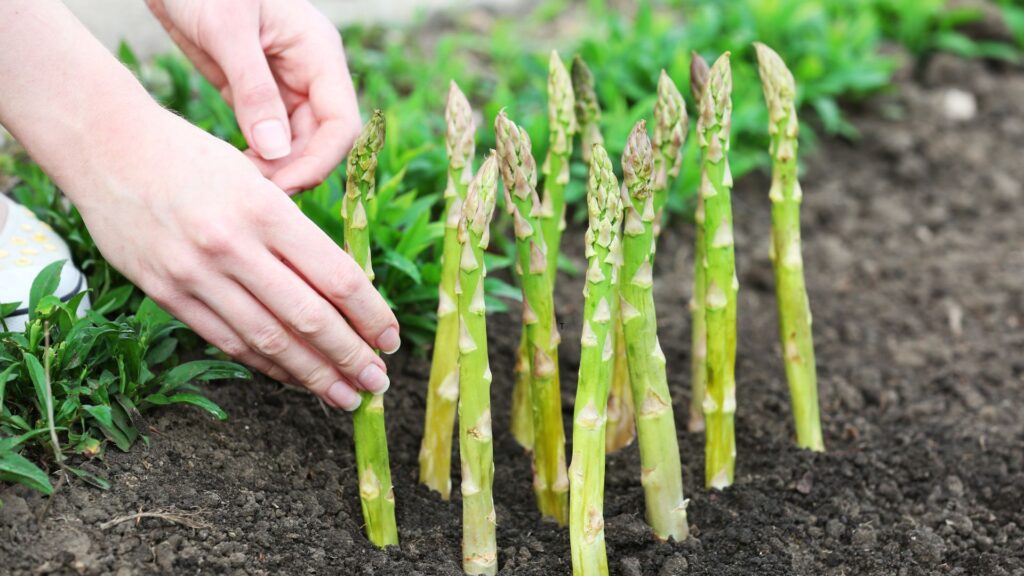
Growing asparagus can be one of the most rewarding long-term additions to a garden. Unlike seasonal vegetables, asparagus is a perennial crop that can produce tender spears for up to 20 years when managed well. However, the plant demands attention to timing, soil, and maintenance, especially in the first few years.
This article highlights the most common mistakes gardeners make when growing asparagus and shows you how to avoid them. If you’re planning to grow asparagus or already have it in the ground, this guide can help you get the best harvest year after year.
1. Planting in Poor Soil
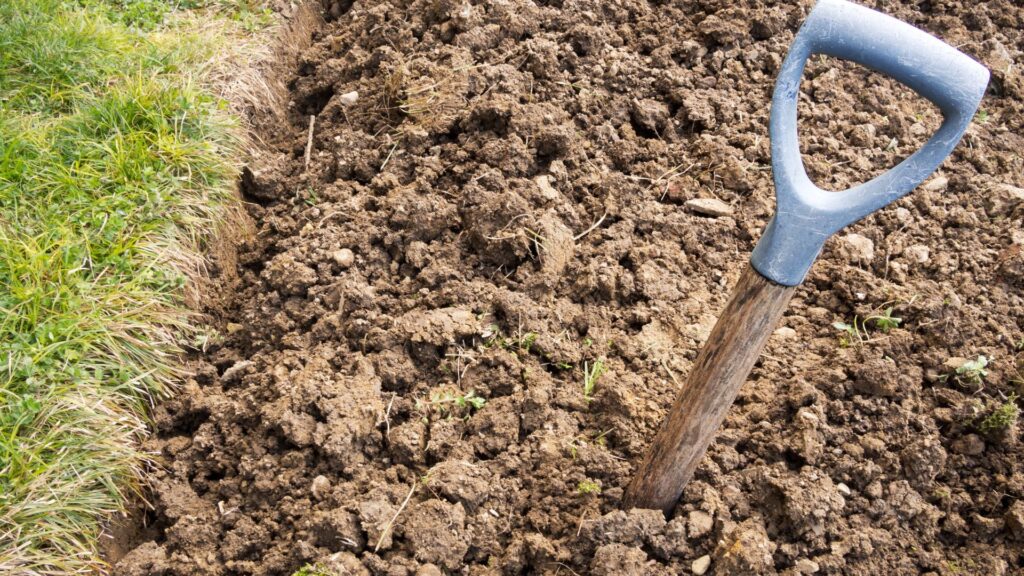
Asparagus roots live for decades, so the soil you plant them in must be prepared with long-term health in mind. Many gardeners make the mistake of using compacted, rocky, or shallow soil without amending it. This limits root growth and increases the chance of rot or nutrient deficiency in the early stages.
The plant thrives in well-drained soil with plenty of organic matter and a pH between 6.5 and 7.5. A shallow planting bed also makes it harder for asparagus to survive harsh winters or hot summers, especially during its first two years. If you’re starting with poor soil, invest time up front in building a deep, healthy base.
How to Prepare the Right Soil
Dig trenches at least 12 inches deep and mix in compost, aged manure, and sand if the soil is heavy. Avoid chemical fertilizers at planting time; these can burn young roots. Instead, focus on enriching the soil naturally and creating a soft, well-aerated environment that supports long-term root development.
2. Starting From Seed Instead of Crowns
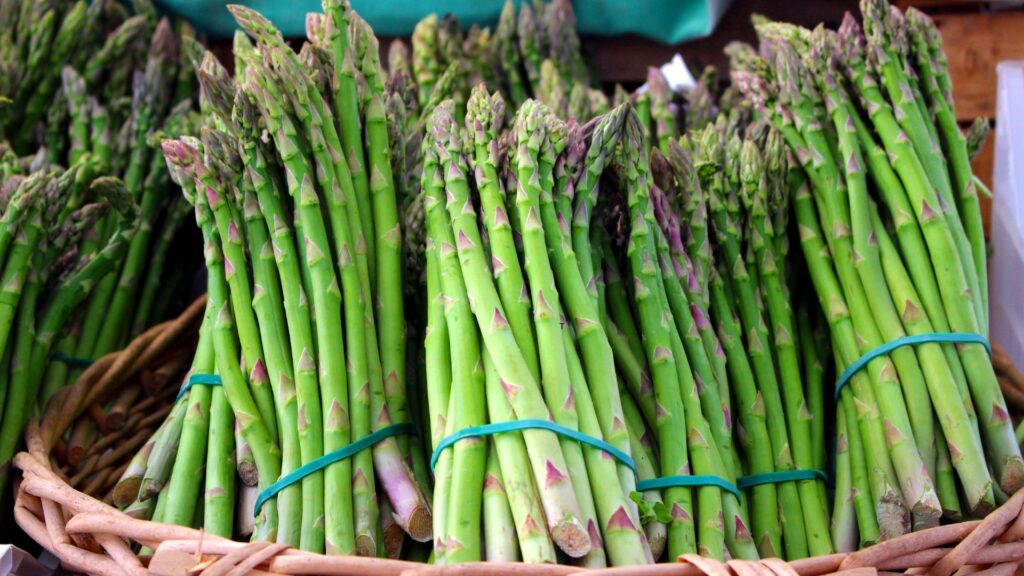
While it’s possible to grow asparagus from seed, it’s a slow and risky process. Seeds take a full year just to produce a transplantable crown, and the early plants can be uneven in quality. Many gardeners underestimate the effort involved and become frustrated when nothing appears after a season.
Crowns, which are one-year-old roots sold by garden centers, give you a head start and increase your chances of success. They produce faster and tend to be more vigorous and disease-resistant. If you’re focused on growing a productive patch, crowns are the more reliable option.
3. Crowding the Plants
Spacing matters more than you might think. A mistake many gardeners make is planting asparagus crowns too close together. At first, this doesn’t seem like a problem, but over time, overcrowded beds produce thinner spears, reduced yields, and encourage the spread of fungal diseases.
Each plant needs room for its root system to expand. Asparagus sends out underground shoots called rhizomes, and if these compete for space, both air circulation and soil nutrients are limited. Crowding also makes weeding and seasonal maintenance harder.
Recommended Spacing
Set each crown 12 to 18 inches apart in rows that are at least 3 feet apart. This allows the plants to spread naturally and supports stronger spears in future seasons. More space upfront means less work down the line.
4. Harvesting Too Early
One of the most common and damaging mistakes is harvesting asparagus spears before the plant has matured. Gardeners get excited when they see shoots and start picking during the first or second year. This weakens the plant’s root system, stunts future growth, and shortens the productive lifespan of the bed.
Asparagus needs at least two full seasons to build up the energy reserves required for sustained production. Harvesting too soon drains these reserves and sets back progress. Patience during the early years ensures a healthy, vigorous patch later on.
When to Start Harvesting
Wait until the third growing season before harvesting. During that year, you can harvest spears for about two weeks. By the fourth year, you can extend the harvest to four to six weeks. Follow this pattern, and your plants will produce thick, flavorful spears for many seasons.
- Also Read About Aubergines
5. Ignoring Weed Control
Weeds compete directly with asparagus for moisture, nutrients, and space. One mistake that’s easy to overlook is letting weeds take hold in the asparagus bed, especially in the first two years. Since asparagus is a deep-rooted perennial, it doesn’t respond well to heavy tilling or aggressive weeding after it’s established.
Allowing weeds to thrive in your asparagus bed leads to slower growth, thinner spears, and higher risk of pest infestation. It also makes spring maintenance more difficult, as dead weed roots can choke out asparagus crowns before spears emerge.
Keeping the Bed Clean
Start weed control early and keep up with it. Use mulch like straw or shredded leaves to block light and reduce weed germination. Avoid using landscape fabric or plastic, which can trap heat and moisture and harm asparagus roots.
Conclusion
Growing asparagus requires patience and good planning, but the payoff is long-term harvests of fresh, high-quality spears. Mistakes such as planting in poor soil, harvesting too soon, or ignoring weed control can take years to undo.
By giving your asparagus the right conditions from the start, you set up a strong foundation that pays off for decades. Pay attention to spacing, soil depth, and early maintenance, and your garden will reward you with reliable growth every spring.