
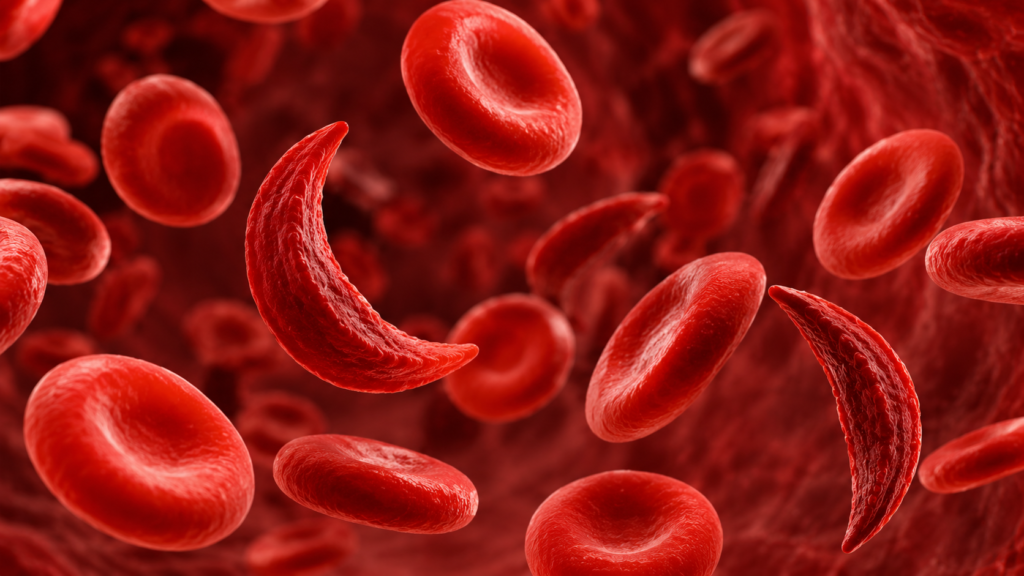
Sickle cell disease is an inherited blood disorder in which red blood cells become hard, sticky and shaped like a crescent. These cells block blood flow and break down early, causing anaemia, pain and organ damage. A child gets it when both parents pass on a sickle cell gene.
Nigeria carries the largest sickle cell burden in the world, with about 150,000 babies born with the disease every year. Many families only learn about it after a child falls ill, which is why knowing your genotype matters so much. This guide explains what sickle cell is, how it is inherited, the warning signs, treatment options in Nigeria and the facts behind common myths.
Last updated: October 5, 2026
Sickle Cell Disease in Simple Words
Sickle cell disease (SCD) is a group of inherited conditions that affect haemoglobin (also spelt hemoglobin). Haemoglobin is the protein inside red blood cells that carries oxygen around your body. In sickle cell disease, a gene change makes the body produce an abnormal type called haemoglobin S.
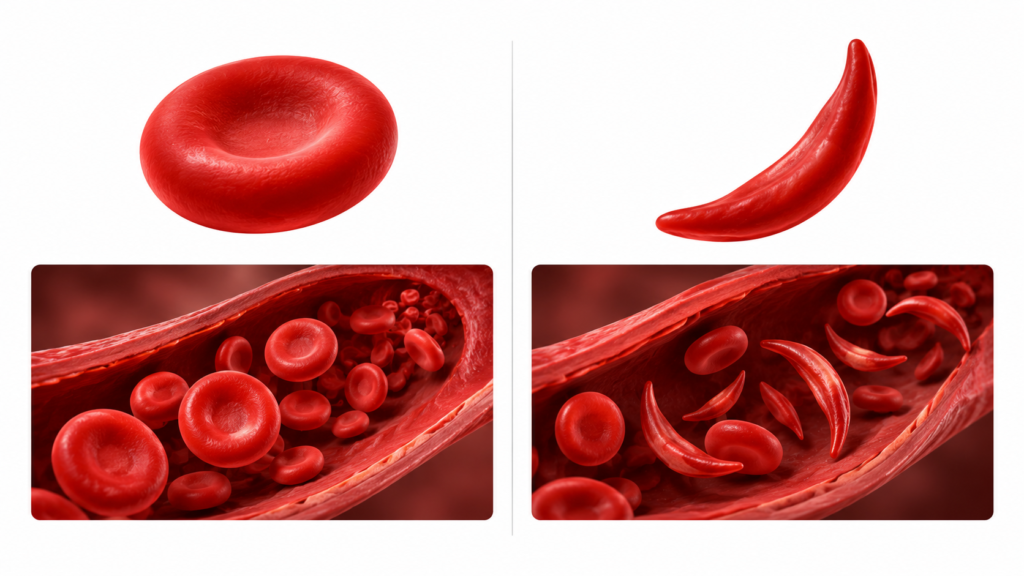
How Normal Blood Cells and Sickle Cells Differ
Normal red blood cells are round, soft and flexible, so they glide through the smallest blood vessels. When haemoglobin S gives up its oxygen, it clumps together and bends the cell into a stiff crescent. These sickled cells jam inside small vessels and cut off oxygen to muscles, bones and organs. That blockage is what causes the pain and damage.
Sickled cells also die much faster. A healthy red blood cell lives about 120 days, while a sickled cell lasts only 10 to 20 days. The body cannot replace them quickly enough, which leads to long-term anaemia, tiredness and pale skin. The CDC explains this process in more detail.
Sickle Cell Disease and Sickle Cell Anaemia: Are They the Same?
Not exactly. Sickle cell disease is the full family of conditions, while sickle cell anaemia (genotype SS) is the most common and usually the most severe type. Other types include HbSC disease, which is often milder but still serious. People often use the terms as if they mean the same thing, so ask your doctor which type you or your child has.
How Common Is Sickle Cell in Nigeria?
Nigeria has the highest number of people living with sickle cell disease anywhere, and some Nigerian health experts estimate about 4 million cases. About 20 to 30 percent of Nigerians carry the sickle cell trait (genotype AS), which is roughly 1 in 4 people, and about 2 to 3 out of every 100 newborns have the disease, according to the Sickle Cell Health Awareness Foundation.
The sickle cell gene is common in Nigeria because the trait gives partial protection against severe malaria. Carriers survived malaria better, so the gene spread through generations. The World Health Organization notes this link between the trait and malaria. Today the same gene means that two healthy carriers can have a child with the disease.
Awareness still lags for three reasons. Newborn screening is not yet national, many adults have never tested their genotype, and old beliefs still push families toward silence instead of care.
What Causes Sickle Cell Disease?
The Gene Behind It
Sickle cell disease is caused by a change in the HBB gene, which gives the body instructions for making haemoglobin. The changed gene produces haemoglobin S instead of normal haemoglobin A. You receive one copy of this gene from each parent. The condition is not caused by food, witchcraft, bad luck or anything a parent did.
Genotypes Explained: AA, AS, SS, AC and SC
Your genotype is the pair of haemoglobin genes you inherited, one from each parent. A blood test called haemoglobin electrophoresis shows it.
- AA: Two normal genes. No sickle cell disease and no trait.
- AS: One normal and one sickle gene. This is the sickle cell trait, and the person is a carrier.
- SS: Two sickle genes. This is sickle cell anaemia.
- AC: One normal gene and one haemoglobin C gene. This is the haemoglobin C trait, which is not harmful by itself.
- SC: One sickle gene and one haemoglobin C gene. This is sickle cell disease, usually milder than SS.
Sickle Cell Trait vs Sickle Cell Disease
The trait is a carrier state, not an illness. The disease needs two abnormal haemoglobin genes, at least one of which is the sickle gene.
| Sickle cell trait (AS) | Sickle cell disease (SS, SC) | |
|---|---|---|
| Symptoms | Usually none | Pain, anaemia, infections, organ damage |
| Health risk | Low, though extreme dehydration or intense exertion can cause problems | High without regular care |
| Can it be passed on? | Yes | Yes |
| Needs lifelong treatment? | No | Yes |
Signs and Symptoms to Look Out For
Sickle cell symptoms vary from person to person. Some people have frequent crises, while others have milder problems.
Signs in Babies and Toddlers
Babies are protected by fetal haemoglobin for the first months of life, so symptoms usually start from around 6 months of age. Watch for:
- Painful swelling of the hands and feet, called dactylitis
- Frequent crying that is hard to soothe
- Fever, which can signal a dangerous infection
- Yellow eyes, pale skin or pale palms
- Poor feeding and slow weight gain
- A swollen belly or sudden paleness, which can mean the spleen is trapping blood
Signs in Older Children and Adults
- Repeated episodes of severe pain in the bones, chest, back or joints
- Constant tiredness and shortness of breath
- Frequent infections
- Delayed growth and late puberty
- Leg ulcers, vision problems and painful, long-lasting erections in males
What Is a Sickle Cell Crisis, and What Triggers One?
A sickle cell crisis is a sudden episode of severe pain that happens when sickled cells block blood flow. It can last hours or several days. Common triggers include:
- Dehydration from too little water, heat or sweating
- Cold weather, cold water and air conditioning that is too cold
- Infections, especially malaria and chest infections
- Physical or emotional stress
- Heavy exercise without enough rest and fluids
- Low oxygen levels, such as at high altitude
Some crises start with no clear trigger. Keeping a diary of what happened before each crisis helps your doctor build a better plan.
What Does Sickle Cell Do to a Person, and How Long Can They Live?
Long-Term Effects on the Body
Sickle cell disease affects almost every organ because blood vessels carry oxygen everywhere. Repeated blockages and constant anaemia can cause:
- Infections: The spleen is damaged early, so the body fights germs poorly.
- Stroke: Blocked brain vessels can cause stroke, even in young children.
- Acute chest syndrome: A lung complication with chest pain, cough and fever that needs urgent care.
- Bone and joint damage: Poor blood supply can destroy bone, especially around the hip.
- Eye and kidney problems: Small vessels in the eyes and kidneys can get damaged over time.
- Pregnancy risks: Women with SCD face a higher chance of complications and need specialist care.
Life Expectancy in Nigeria Compared With High-Income Countries
In high-income countries, newborn screening, vaccines, daily medicine and regular check-ups mean most children now reach adulthood. Studies of adults with SS disease there report a median survival of about 45 years in the United States and about 67 years in a London hospital, as summarised in this pooled analysis in the journal Blood. Figures differ by study, genotype and the quality of care.
Nigeria has no reliable national figure. Researchers report that survival among children with sickle cell disease remains poor in sub-Saharan Africa, largely because the disease is found late and care is hard to reach. Infections, severe anaemia and stroke are leading causes of early death.
The gap is not fixed. People who get early diagnosis and steady care live far longer than those who do not. What makes the biggest difference:
- Testing babies early, ideally in the first months of life
- Penicillin and recommended vaccines in childhood
- Hydroxyurea (also called hydroxycarbamide), taken as prescribed
- Malaria prevention and quick treatment of every fever
- Regular clinic visits, including brain scans for stroke risk in children where available
- Drinking enough water and avoiding known triggers
A Nigerian trial named SPRING tested hydroxyurea in children aged 5 to 12 who had a high risk of stroke. It found that a low dose worked as well as a moderate dose for preventing a first stroke. This shows that affordable treatment can save lives here.
Can Sickle Cell Go Away?
Sickle cell disease does not go away on its own, and no drug, prayer or herbal mixture has been proven to remove it. A cure is possible in some cases, but only through two medical treatments.
Cure Options Explained Simply
Bone marrow transplant: Healthy blood-forming cells from a matched donor, usually a sibling, replace the patient’s cells. It works best in children and young people, but finding a matched donor is hard and the procedure carries risks. The WHO Africa office describes it as the only established cure, limited by donor availability and cost.
Gene therapy: The patient’s own blood-forming cells are collected, modified in a laboratory and returned to the body, so no donor is needed. The US FDA approved the first two gene therapies, Casgevy and Lyfgenia, in December 2023 for patients aged 12 and older. They are complex and extremely costly.
Availability and Cost in Nigeria
Bone marrow transplant is available in Nigeria, with three transplant centres reported in early 2026. The Lagos University Teaching Hospital (LUTH) has performed successful transplants since 2024. Costs and donor matching still limit how many patients can use it.
Gene therapy is not yet part of routine care in Nigeria. SciDev.Net reports a price of about 2.2 million US dollars, which is out of reach for most patients. Experts at a 2026 congress in Abuja noted that no sickle cell gene therapy trial had yet taken place in Africa and called for local production to cut costs. This may change in the coming years.
Beware of Fake Cure Claims
Be careful with anyone who promises a quick cure for money. Unverified herbal products can delay real treatment, and some may harm the kidneys and liver. If someone claims to have a cure, ask which hospital approved it and whether the results were published.
Treatment and Care in Nigeria
Treatment aims to prevent crises, protect organs and treat problems fast. A haematologist or paediatrician should lead the plan.
Daily Care
- Folic acid: Helps the body make new red blood cells.
- Hydroxyurea: Reduces how often crises happen and lowers the need for transfusion. Doctors monitor blood counts while you use it. WHO notes that Nigeria manufactures this medicine, which improves access.
- Malaria prevention: Sleep under a treated net and take malaria prevention medicine if your doctor prescribes it. Treat every fever as urgent.
- Vaccines and antibiotics: Keep up with childhood vaccines and any penicillin your doctor recommends.
- Water and rest: Drink fluids through the day, dress for the weather and avoid exhausting activity.
Managing Pain at Home
First take the temperature. If there is a fever, go to the hospital instead of treating at home. For pain without fever, give plenty of fluids, keep the person warm and rested, and use the pain medicine prescribed by their doctor. A warm, not hot, compress on the painful area may help. Avoid ice packs and cold baths because cold can make sickling worse. If pain does not ease or keeps getting worse, go to the hospital.
When to Rush to the Hospital
Go to the nearest hospital without delay if you see any of these:
- Fever of 38 degrees Celsius or higher. Health agencies set the emergency limit between 38 and 38.5, and the CDC treats fever as an emergency in sickle cell disease, so do not wait to see if it rises. Fever can be the only sign of a serious infection.
- Chest pain or trouble breathing
- Severe pain that medicine does not control
- Weakness or numbness on one side, slurred speech, sudden confusion or a severe headache
- Sudden vision loss
- A painful erection lasting more than 4 hours
- A swollen belly with sudden paleness in a child
- Unusual sleepiness, yellow eyes that suddenly worsen or refusal to drink
Cost, NHIS Coverage and Where to Find Care
Regular care costs money, and prices vary by hospital and city. Teaching hospitals and federal medical centres usually have haematology or sickle cell clinics, and their fees are often lower than private hospitals. Ask your hospital or health insurer exactly which tests, drugs and admissions are covered, because coverage differs between plans and states.
The Sickle Cell Foundation Nigeria runs its National Sickle Cell Centre opposite LUTH in Lagos and supports dedicated clinics in Lagos, Delta, Edo and Kano. Its services include counselling and reference laboratory testing. Local sickle cell clubs and support groups can also guide you to affordable care.
Genotype Testing Before Marriage and Pregnancy
Knowing your genotype is the most effective way to prevent sickle cell disease. The test is simple, needs a small blood sample and is available at hospitals, teaching hospitals and many private laboratories. Keep a written result from a reliable laboratory.
Test early, ideally before a relationship becomes a marriage plan, and certainly before pregnancy. Use the inheritance chart earlier in this guide to see what your result means. If both partners carry a sickle gene, book a genetic counselling session. A counsellor can explain your options, including prenatal testing, in clear and respectful terms. The Sickle Cell Foundation Nigeria lists genetic counselling and prenatal diagnosis for at-risk couples among its services. The decision remains yours.
Newborn screening matters too. When a baby is tested early, treatment can start before the first serious complication. If your child was never tested, ask a paediatrician for a test at any age.
Myths and Facts About Sickle Cell
Myths cause shame, delay treatment and isolate families. Here are the most common ones.
| Myth | Fact |
|---|---|
| Sickle cell is a curse or punishment. | It is a genetic condition. Nobody earns it through wrongdoing. |
| It is caused by witchcraft or evil spirits. | It is caused by inherited haemoglobin genes. |
| A child who keeps falling sick and dying is an abiku or ogbanje. | Many such children have sickle cell disease. In one study of 100 Igbo children labelled ogbanje, 70 had sickle cell disease. Early testing and care save these children. |
| You can catch it from touching or sharing food. | It is not contagious. It is only inherited. |
| People with sickle cell cannot study or work. | With good care, many finish school, build careers and raise families. |
| Prayer or herbs alone can cure it. | Faith can bring comfort, but only medical treatment manages the disease. |
Living Well With Sickle Cell
Many people with sickle cell live full lives when they plan around the condition.
- School: Tell teachers about the condition. Allow water bottles, bathroom breaks and rest, and avoid forcing a child into extreme exertion.
- Work: Choose roles that allow flexible breaks, steady hydration and sick leave for clinic visits.
- Exercise: Light to moderate activity is healthy. Warm up, drink water and stop at the first sign of severe tiredness or pain.
- Travel: Carry your medicines, a doctor’s letter and the contact of a nearby hospital. Avoid long dehydrating journeys without breaks.
- Pregnancy: Plan with a haematologist and an obstetrician before conceiving. Close monitoring protects both mother and baby.
- Mental health: Chronic pain and stigma can cause anxiety and depression. Counselling and peer groups help, so ask for support early.
Frequently Asked Questions
Can two AS parents have an SS child?
Yes. The risk is the same every time, no matter how many healthy children the couple already has.
At what age does sickle cell show up?
Symptoms usually begin from around 6 months of age, once fetal haemoglobin falls. A blood test can detect the disease at birth. Some people with milder types, such as SC, may not show clear signs until later childhood or adulthood.
Is sickle cell only found in Africans?
No. It is most common in people with ancestry from sub-Saharan Africa, but it also occurs in parts of India, the Middle East, the Mediterranean and the Americas. These regions have a history of malaria, which helped spread the gene.
Can a person with SS have a normal life?
Many can lead active, productive lives with regular care, medicine, hydration and prompt treatment of illness. Crises may still happen, so planning matters. Early diagnosis and a good relationship with a haematologist give the best results.
Wrapping Up
Sickle cell disease is serious, but it is manageable. Knowing your genotype, testing your children early, keeping up with care and rejecting myths can change the course of a life. Your next step can be simple: get your genotype tested if you have not done so, or share this guide with someone who needs it.
This guide is for education and does not replace advice from a qualified doctor. Speak to a haematologist or your child’s doctor for care that fits your situation.
Sources
- World Health Organization: Sickle-cell disease fact sheet
- Centers for Disease Control and Prevention: About sickle cell disease and Sickle cell disease and fever
- MedlinePlus: Sickle cell disease
- AllAfrica: WHO calls for increased awareness and treatment to reduce Africa’s sickle cell burden
- Sickle Cell Health Awareness Foundation: Trusted sickle cell education
- Africa Check: Weighing Nigeria’s sickle cell burden
- News Agency of Nigeria: Health experts emphasise need to adopt gene therapy and Examining Nigeria’s approach to defeating sickle cell disease
- SciDev.Net: Breakthrough sickle cell gene therapy a distant hope in Africa
- US Food and Drug Administration: FDA approves first gene therapies to treat patients with sickle cell disease
- Blood journal (PMC): Decreased median survival of adults with sickle cell disease
- Inusa, B. (PMC): Sickle cell disease in sub-Saharan Africa and Nigerian cohort data
- The Lancet Haematology (University of Southampton record): SPRING trial of hydroxyurea for stroke prevention in Nigerian children
- Social Science and Medicine: Malevolent Ogbanje: recurrent reincarnation or sickle cell disease?
- Sickle Cell Foundation Nigeria: About us