

Published: September 29, 2026 | Last updated: September 29, 2026
Sickle cell testing for athletes is a simple blood test that shows whether a you carry sickle cell trait. Knowing your result matters because, in rare cases, a very hard workout can cause a serious medical emergency, and symptoms can start within minutes of all-out effort.
The good news is that the trait rarely stops anyone from playing. With a test result and a few smart habits, you can train hard and stay safe.
This guide explains what the test shows, who has to take it, where to get it, and what to do with the result. It is written for athletes, parents, and coaches in the US and UK.
What Is Sickle Cell Testing for Athletes?
Sickle cell testing for athletes is a blood test that checks for sickle hemoglobin, the form of hemoglobin linked to sickle cell trait. Hemoglobin is the part of your red blood cells that carries oxygen. A positive result means you carry one copy of the sickle gene.
Athletes are tested because extreme effort can push the body past its limits. Intense exertion, heat, dehydration, and high altitude can raise the chance that red blood cells change shape in people who have the trait. A result gives you, your coach, and your medical team the chance to plan ahead.
Sickle cell trait testing for athletes is not about blocking anyone from a sport. The NCAA says the trait poses no barrier to outstanding athletic performance when athletes have proper awareness and education.
Sickle Cell Trait vs Sickle Cell Disease
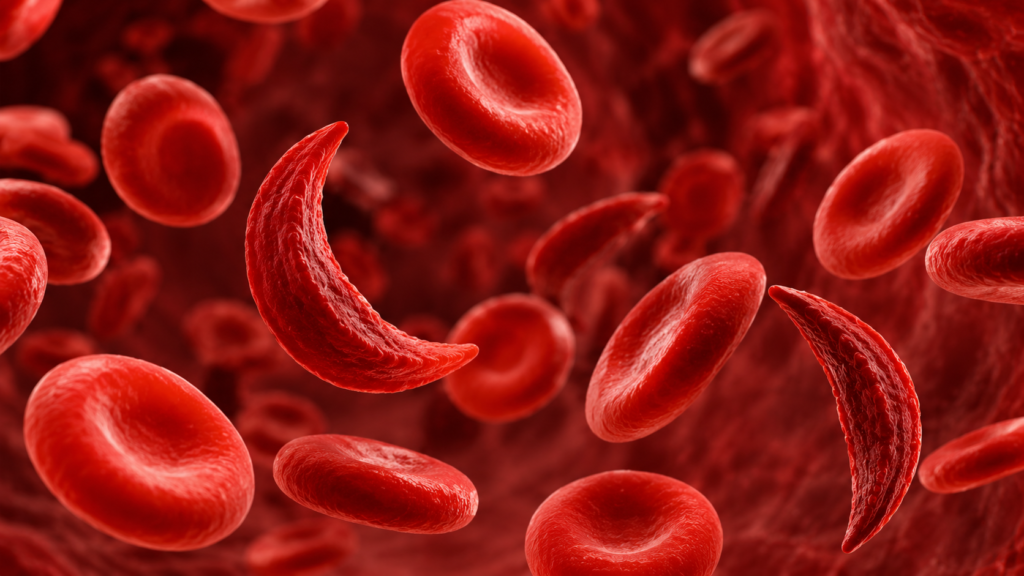
Sickle cell trait means you inherited one sickle gene and one typical hemoglobin gene. Sickle cell disease means you inherited two sickle genes. They are not the same condition.
The NCAA describes the trait as generally benign, and most people who have it live normal, healthy lives. Sickle cell disease is more serious and needs ongoing medical care. Here is a simple rule to remember: one gene is the trait, two genes is the disease.
How Do You Get the Trait?
You inherit it from your parents. If one parent carries the trait and the other does not, each child has a 1 in 2 chance of being born with the trait. If both parents carry the trait, each child has a 1 in 2 chance of having the trait and a 1 in 4 chance of having sickle cell disease, according to the Health Resources and Services Administration.
Who Is Most Likely to Have It?
Anyone can carry the trait, but it is more common in people whose families come from Africa, the Caribbean, the Mediterranean, the Middle East, South Asia, and Central and South America. The NHS lists many of these same regions.
In the US, about 8 percent of African Americans carry the trait, and it is much rarer in white Americans, according to the NCAA. Because anyone can have it, a test result tells you far more than a guess based on background.
What Is Exertional Sickling?
Exertional sickling happens when very hard exercise causes red blood cells to bend into stiff, sticky sickle shapes. These cells can block small blood vessels, which cuts off oxygen to muscles and organs. The NCAA says symptoms can begin after only one to three minutes of all-out effort, such as sprinting.
Certain conditions raise the risk:
- Heat and humidity
- Dehydration
- High altitude
- Sudden jumps in training intensity
- Exercise while sick or feverish
Exertional sickling is rare, and most athletes with the trait finish their careers without a problem. The NCAA notes that deaths linked to the trait have happened during conditioning sessions, not during games or skill practice. Gradual training and good supervision lower the risk.
Types of Sickle Cell Tests Compared
Two tests come up most often. The table below shows how they differ. Prices vary widely by lab, clinic, insurer, and country, so ask for the exact cost before you book.
| Test | What it checks | Speed | Accuracy | Cost notes |
|---|---|---|---|---|
| Solubility test | Whether sickle hemoglobin is present | Often same day to a few days, depending on the lab | Good for screening, but cannot tell trait from disease | Usually the lower-cost option |
| Hemoglobin electrophoresis | The exact types of hemoglobin in your blood | Usually a few days | Confirms trait, disease, or another variant | Usually costs more than a solubility test |
Solubility Test
The solubility test is quick and widely used, and it is the test named in NCAA rules. It detects sickle hemoglobin, but it cannot say whether you have the trait or the disease, according to Testing.com. A positive result is usually followed by a second test. This type of screening is not used for babies under 6 months old.
Hemoglobin Electrophoresis
This test separates the different types of hemoglobin in a blood sample. It confirms exactly what you have, which makes it the standard follow-up after a positive solubility test. Some athletes choose it first because it gives a full answer in one step. Ask your doctor which test they recommend for you.
Newer or Point-of-Care Options
Some clinics and labs offer rapid or at-home ordering options for sickle cell testing. Availability and quality differ by provider. Ask whether the lab is certified and whether a lab test will confirm the result. If you need proof for a college team, ask your school what documentation it accepts before you pay for a test.
What Can Cause a False Result?
A recent blood transfusion can mask sickle hemoglobin and lead to a false negative. Babies can also test wrongly because they carry a lot of fetal hemoglobin, which is why solubility tests are not used for infants. If either applies to you, tell the person ordering the test.
Do Athletes Have to Get Tested?
It depends on the level of sport you play.
NCAA Rules for College Athletes
The NCAA sickle cell trait test requirement applies to all three divisions. New student-athletes, including students trying out for a team, must give their school documented results from a past sickle cell solubility test.
If they have no results, they must take the test during the required medical exam. The rule began in Division I in 2010, Division II in 2012, and Division III in 2014, according to a study in the journal PMC.
The option to sign a waiver and skip testing ended on August 1, 2022. NCAA guidance in a February 2025 committee report says athletes who signed a waiver before that date do not need to provide test results. The same report says Division I and II athletes cannot take part in physical athletic activities until their results are available. Division III handles pending results differently, so ask your athletics department about your school.
The purpose of the rule is to help coaches and athletic trainers know which athletes may need extra precautions.
High School and Youth Sports
There is no single national rule for high school and youth sports. Requirements depend on the state, school district, league, or club, and some recommend testing. Many family doctors will order it during a sports physical. If your child plays a sport with heavy conditioning, such as football, basketball, or track, ask about testing at the next checkup. The NCAA notes that the trait can affect athletes at all levels, from high school to the pros.
Pro and Club Athletes in the US and UK
Testing and screening policies differ across leagues, clubs, and governing bodies. Ask your club doctor or league office for the current policy instead of relying on a general summary.
Can You Sign a Waiver Instead of Getting Tested?

For NCAA athletes who are new to college sports, no. The waiver option was removed on August 1, 2022, so you must show a past result or be tested.
Waivers may still appear in some high school, club, or recreational settings. If you are offered one, think carefully. A waiver records your choice but does not lower your risk, and it is not the same as knowing your status. If you carry the trait and nobody knows, your coach cannot adjust your workouts and responders cannot act quickly in an emergency.
Privacy, cost, and convenience are fair concerns. Talk with a doctor or your school medical staff before you decide, and make the choice with full information.
Where Can You Get Tested?
You have several options:
- Your family doctor or GP
- A school or team physician
- A campus health center
- A community clinic
- A lab service that lets you order the test yourself
Before you book, ask these questions:
- How much does the test cost, and will insurance cover it?
- How long do results take?
- Which test is used, and will a positive result be confirmed?
- Who will explain the results to me?
You may already have a result on file. Sickle cell trait is found through newborn screening in the US, so ask your doctor or your state newborn screening program whether a record exists. In the UK, babies are offered newborn blood spot screening that can identify carriers, and the GOV.UK screening handbook says parents of carrier babies should receive the result. Ask your GP whether your record includes it.
What Do Your Results Mean?
If the Result Is Positive for the Trait
You can still play sports. Share the result with your coach, athletic trainer, and team doctor so they can help you train safely. If you only had a solubility test, ask your doctor whether a confirmation test is needed.
If the Result Is Negative
A negative result means no sickle hemoglobin was found. If you had a blood transfusion recently, ask your doctor whether to repeat the test later, since a transfusion can hide the trait.
Family and Genetic Counseling
Trait status runs in families, so brothers, sisters, and cousins may want to know their own status. A genetic counselor can explain how the trait is passed on and help couples plan for children. This matters most if both partners carry the trait.
How Athletes with Sickle Cell Trait Can Train Safely
Small habits make a big difference. The NCAA suggests these precautions:
- Build up training intensity slowly, especially in preseason
- Set your own pace and rest between hard efforts
- Avoid all-out exertion for more than two to three minutes without a break
- Drink fluids early and often, especially in heat and humidity
- Skip high-caffeine energy drinks and stimulants, which can add to dehydration
- Do not train hard while sick or feverish
- Keep asthma well managed
- Stop right away if you feel unusual muscle pain, weakness, tiredness, or breathlessness
Tell your athletic trainer and coach about your trait, and speak up early if something feels wrong. Altitude needs extra care, because the NCAA warns that a rise of as little as 2,000 feet can raise risk. Ease into training after travel and ask about supplemental oxygen.
Summer conditioning deserves the same caution, since heat and hard workouts often arrive together. The CDC has a printable safety tip sheet for athletes that you can share with your team.
Warning Signs Coaches, Teammates, and Parents Should Know
Exertional sickling can look like heat illness or plain tiredness, which is why it can be missed. Watch for:
- Severe muscle pain or weakness
- Cramping that seems out of proportion to the effort
- Shortness of breath
- Unusual fatigue
- Confusion
If you see these signs, act fast:
- Stop all activity at once.
- Call emergency services. That is 911 in the US and 999 in the UK.
- Tell responders the athlete has sickle cell trait, if you know.
Do not let anyone push through it. The NCAA says teams should have an emergency action plan that is reviewed and rehearsed at least once a year, and that coaches and conditioning staff should be certified in first aid and CPR. For full first aid steps, follow the guidance from your team medical staff, the NCAA Sports Medicine Handbook, and the CDC.
Common Myths About Sickle Cell Trait and Sports
Myth: Having the trait means you cannot play sports.
False. The NCAA states there is no reason athletes with the trait should be kept from competing. Awareness and smart training are what protect you.
Myth: The trait is a harmless carrier state that needs no precautions.
Mostly false. Daily life is usually normal, but extreme exertion under hard conditions can cause problems for some athletes. A few simple precautions lower that risk.
Myth: Only athletes of one background need to worry.
False. The trait is more common in some groups but appears in many. Test results tell you more than assumptions do.
Myth: A waiver is the same as being tested.
False. A waiver only records that you declined. It does not tell you or your team anything about your health, and it is no longer an option for new NCAA athletes.
Quick Answers to Common Questions
Do athletes have to get tested for sickle cell trait?
New NCAA athletes in every division must show a past sickle cell solubility test or be tested at their medical exam. High school, youth, and club rules vary, so ask your school, league, or club for its current policy.
Can college athletes sign a waiver instead of testing?
No. The NCAA ended the waiver option on August 1, 2022. New athletes must provide documented results of a past test or be tested. Athletes who signed a waiver before that date do not need to provide results.
Can you play sports with sickle cell trait?
Yes. Most athletes with the trait play and finish their careers without problems. Gradual training, hydration, rest, and telling your coaches about your status reduce the small risk.
Where can I get a sickle cell test?
Start with your family doctor or GP, team physician, or campus health center. Community clinics and self-order lab services are other options. Ask about cost, turnaround time, and who will explain the result.
How long do results take?
A solubility test can return results the same day or within a few days. Electrophoresis often takes a few days. Timing depends on the lab, so ask when you book.
Does insurance cover the test?
Coverage depends on your plan and why the test is ordered. Call your insurer or clinic before the test to confirm. In the UK, ask your GP whether the NHS can arrange testing for you.
Final Thought
Sickle cell testing is not about keeping athletes off the field. It gives them information so they can train hard and stay safe. Knowing your status, sharing it with your team, and learning the warning signs can make a real difference. If you are unsure where to start, book a short chat with a doctor or athletic trainer this week.
This article is for education only and is not medical advice. Talk with a doctor, GP, or athletic trainer about your own health and testing needs.