

You care about this family. You also worry that one wrong sentence could make a hard day harder for a parent of a child with sickle cell. That worry is a good sign, and it means you are already trying to be thoughtful.
This guide shows which comments to avoid, what to say instead, and how to help when words feel hard to find. It draws on medical sources such as the CDC and NHS, along with published research on how people with sickle cell describe their care.
Why Words Matter So Much to These Parents
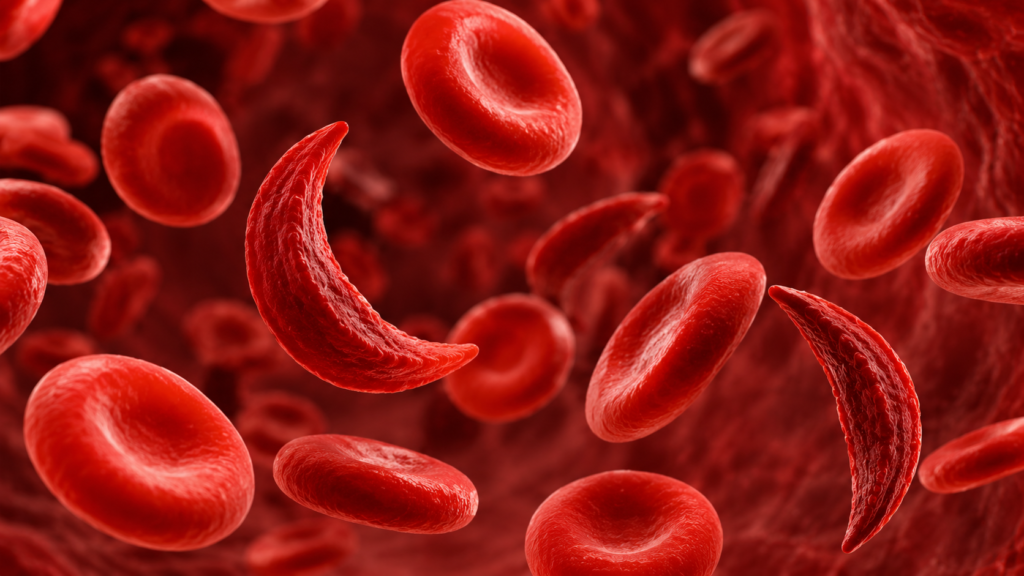
Sickle cell disease is an inherited blood condition. It affects the hemoglobin in red blood cells, and it can cause sudden pain episodes, infections, and tiredness. For parents, that can mean hospital trips, school worries, and constant planning.
Many describe feeling tired, alone, and judged. Small comments add up, and kind ones can carry a family through a hard week.
1. Do not say they look fine
Sickle cell pain and fatigue are often invisible. A child can seem happy at a birthday party and be in serious pain the next morning, because pain episodes can come on suddenly. When you say they look fine, a parent may hear that you doubt them, or that others might doubt their child.
Parents already spend energy explaining what cannot be seen. They do not need to defend it to friends and family too. Take their word for it.
Better: I believe you. How can I help today?
2. Do not ask if the pain is really that bad
This question sounds curious, but it asks a parent to prove their child is suffering. Sickle cell pain can be severe, and it can come on suddenly.
Specialist guidance says a person’s own report of their pain is the best way to assess it, yet families are often made to feel they must prove it. Asking for proof puts a family on trial when they need care. Trust what they tell you, even if it is hard to picture.
Better: Tell me what would make today easier.
3. Do not ask if they knew they were carriers
Sickle cell trait is common, and many people never learn they have it because it usually causes no symptoms. A child usually gets sickle cell disease by inheriting a sickle cell gene from each parent, although some types involve one sickle gene and one other unusual hemoglobin gene.
Many families first learn this through newborn screening. Asking if they knew sounds like blame, even when you mean well. The answer changes nothing now, and the question can stir up guilt they may already carry. Focus on the child and the family today.
Better: How are you both holding up?
4. Do not ask why they had children
Some people ask this out of shock, and it hurts deeply. It suggests the child should not exist, which no parent wants to hear. Many parents did not know they carried the gene until their baby was tested, and family planning is a private choice in any case.
Every child deserves to be welcomed. Even a joke or a half question can leave a mark. Leave family planning out of the conversation unless the parent brings it up.
Better: Your child is lucky to have you.
5. Do not suggest the parents caused this
Sickle cell is a genetic condition passed down through families. It is not caused by anything a parent did during pregnancy or after birth, such as diet, stress, or lifestyle. Comments that hint otherwise add guilt to an already heavy load.
Even a light remark can make a parent replay their choices for months. If you hear an unkind theory from someone else, gently correct it. Blame does not help anyone, and it does not belong in this story.
Better: You are doing a great job for your child.
6. Skip the just drink more water advice
Staying hydrated does matter. The NHS lists dehydration as one possible trigger for pain episodes, and care teams usually teach families this early. But it is not the only trigger, and cold weather, stress, and hard exercise can also play a part. Sometimes no trigger is found.
Repeating this advice can suggest a crisis happened because the parent missed something simple. That is unfair, and it can feel like criticism. If you want to help, ask what would be useful instead of instructing.
Better: Is there anything you would like me to help with?
7. Skip questions about a cure
Asking whether the child will be cured can be painful. A stem cell transplant can cure sickle cell disease for some people, but it depends on finding a suitable donor and carries real risks. In December 2023, the US FDA approved two gene therapies for people 12 and older with recurrent pain crises, and these involve intense chemotherapy.
Whether any option suits a child is a private decision for the family and their doctors. Let parents share when they are ready, and listen without pushing an opinion. See article on okra for sickle cell.
Better: I am glad to listen whenever you want to talk.
8. Skip at least statements
At least it is not cancer. At least they are smart. At least it is manageable. These phrases try to find a bright side, but they tell a parent their worry is too big. Every hard situation deserves to be taken on its own terms, and comparing struggles shuts down honest conversation.
A parent should be able to say this is hard without being told it could be worse. Sit with the difficulty first. Hope can come later, and it lands better when the parent invites it.
Better: That sounds really hard. I am here for you.
9. Skip everyone has problems and stories about someone worse
Comparing your cousin’s illness, your own struggles, or a story you saw on the news moves the attention away from the parent. It may feel like empathy, but it often sounds like a way to shrink their situation.
Sickle cell has its own pattern of pain, hospital stays, and worry. Parents want to feel understood, and comparisons usually make them feel unheard. If you have a personal link to a similar illness, share it briefly and only after listening well.
Better: Thank you for telling me. Would you like to talk more?
10. Skip everything happens for a reason
This phrase is meant to comfort, but for many parents it lands as an insult. Nothing about a child in pain feels meaningful or planned. It can also carry religious or moral meaning that the parent may not share, or may find painful.
When someone is hurting, a reason is not what they want. They want company. It is okay to have no explanation, because there is none that helps. Being present is better than trying to make sense of it.
Better: I do not have the right words, but I am with you.
11. Do not suggest the family is drug seeking when a child needs pain relief
Some people wrongly assume that anyone asking for strong pain medicine is seeking drugs. Research shows this is a real problem. A systematic review of 27 studies found people with sickle cell often report being labeled drug seeking, having their pain doubted, and waiting a long time in emergency departments.
One study found they waited about 25 percent longer than other patients. Because most people with sickle cell in the US are Black, racial bias is part of the picture. If you see a parent being doubted, speak up kindly.
Better: I hope they get help fast. Do you need someone with you?
12. Do not make assumptions about the family or their care
Sickle cell affects people of many backgrounds, including families of African, Caribbean, Latin American, Middle Eastern, Mediterranean, and South Asian heritage. Do not assume how a family lives, what they can afford, or how they care for their child.
Every family handles the condition differently, and their choices are shaped by medical advice, culture, and circumstance. Comments about race, background, or how well they follow medical advice can cause real harm. Ask open questions and listen. Parents are the experts on their own child.
Better: Tell me what works best for your family.
What Not to Say During a Hospital Stay or Pain Crisis
When a child is in the hospital (the ER in the US, A&E in the UK), the parent is worn out and worried. Keep messages short and calm. Do not ask for a full medical update, and do not say they should be over it by now. According to the NHS, pain from a crisis can last for several days or weeks.
Try: Thinking of you. No need to reply. Want me to drop off dinner?
Talking to the child
Avoid pity and avoid pointing out limits. Ask about their favorite show, game, or friend. Children with sickle cell are children first, and they enjoy being treated that way.
Talking to siblings
Siblings can feel overlooked when a brother or sister is ill. Include them in kind attention. Ask how they are doing, and invite them for an afternoon out.
Simple Scripts You Can Use
Short messages are enough. Here are a few for texts, calls, and in person:
- I am thinking of you all today.
- No need to reply. I just want you to know I care.
- I am here if you want to talk or just sit.
- I can pick up the other kids on Thursday.
For coworkers, try Take the time you need. I will cover this. For teachers, try Please tell me how I can help your child feel included. For neighbors or your faith community, try We are thinking of you and can bring a meal. If you truly do not know what to say, try I do not know what to say, but I care about you.
Ways to Help Without Saying Much
Actions often say more than words. Try one of these:
- Drop off a meal.
- Give a ride to school or appointments.
- Take the siblings for an afternoon.
- Help with school communication.
- Send a text with no need to reply.
Offer a specific task, not a vague let me know. Parents rarely have the energy to ask.
What If You Already Said the Wrong Thing?
It happens, and most people will forgive an honest mistake. Follow three steps. Acknowledge it, apologize briefly, and listen next time. You might say, I am sorry for what I said earlier. I want to support you, and I will listen better. Then follow through.
Final Thought
Parents of children with sickle cell are not looking for perfect words. They need to feel believed, supported, and not alone. Listen, believe, and help in specific ways, and you will already be doing a great deal. If this guide helped, share it with someone who wants to show up well for a family they love.
Medical disclaimer: This article is for general information and does not replace advice from a doctor or the child’s care team.