
Healthy hair begins with the scalp, and the fastest way to improve scalp health is to follow a structured weekly routine. A predictable schedule gives your skin time to rebalance oil production, improve circulation and reduce irritation.
In this guide, you’ll find a clear, senior-friendly process for building a weekly scalp routine that supports stronger hair, improves comfort and minimizes dryness or buildup. Here’s what to do daily, weekly and occasionally, along with specific product types, timing and practical tips you can maintain long term.
Table of Contents
ToggleUnderstand What Your Scalp Needs
Your scalp behaves like the rest of your skin. It sheds cells, responds to inflammation and changes with age. As sebum production slows over time, the scalp may feel drier and more sensitive, which means your weekly routine should focus on gentle cleansing, moisture balance and improving circulation.
A simple routine works best. The goal is consistency, not complexity. To help you assess your scalp quickly, here is a comparison table:
| Scalp Type | Common Signs | Best Weekly Focus |
| Dry | Itching, tightness, small white flakes | Moisture and gentle cleansing |
| Oily | Greasy roots, heavier buildup | Deep cleansing and lightweight hydration |
| Flaky or Sensitive | Redness, irritation, visible shedding | Calm irritation and avoid harsh scrubs |
Cleanse Your Scalp With Purpose
Cleansing is the foundation of a weekly scalp routine. Avoid harsh shampoos and look for sulfate-free formulas because they protect the scalp’s lipid barrier. For seniors, this barrier becomes thinner over time and loses moisture faster.
I recommend cleansing the scalp once or twice weekly depending on oil production. Over-washing strips essential oils, while under-washing allows buildup to accumulate. Aim for a balanced rhythm that leaves the scalp clean but not tight.
How To Cleanse Effectively
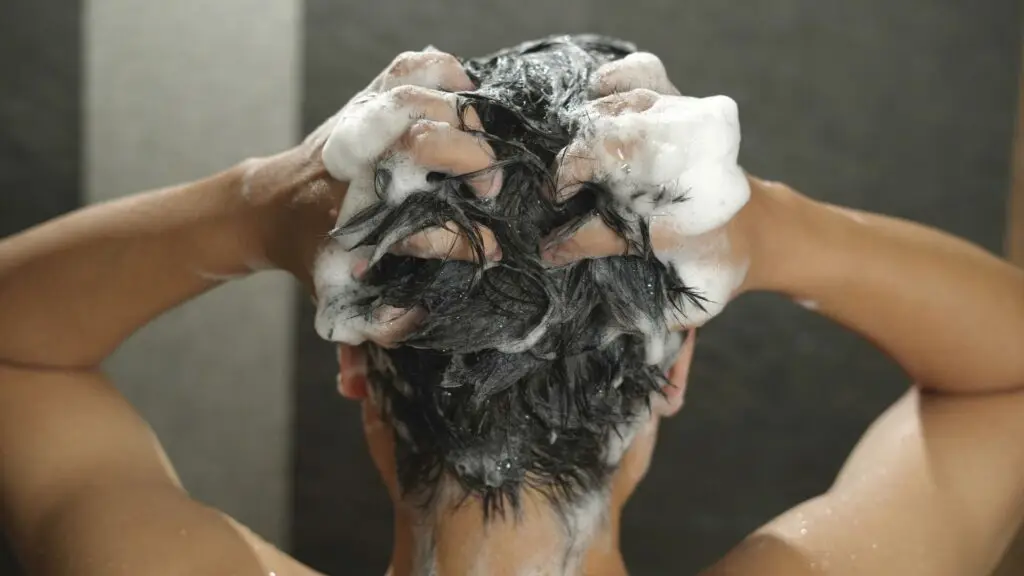
Most people focus on hair strands during shampooing, but the real goal is to clean the skin that hair grows from.
- Wet the scalp thoroughly so shampoo spreads evenly.
- Apply shampoo directly to the roots, not the ends of the hair.
- Use the pads of your fingers to gently lift buildup for 20 to 30 seconds.
- Rinse thoroughly because leftover shampoo can cause irritation.
Deep Cleanse When Necessary
If styling products or sweat accumulate easily, a clarifying wash once every two to three weeks helps remove excess residue. Choose formulas labeled as “gentle clarifying” to avoid stripping your natural oils.
Also Read: 10 Early Signs of Lupus You Shouldn’t Ignore
Incorporate Weekly Scalp Treatments
Hydrating Scalp Masks
Hydrating masks help counter dryness caused by reduced natural oil production. A hydrating mask can be applied once per week after cleansing.
Look for ingredients such as:
- Aloe vera for moisture
- Glycerin for water retention
- Lightweight oils like jojoba for barrier support
Leave the mask on for 5 to 10 minutes and rinse thoroughly.
Scalp Serums
Serums deliver nutrients directly to the skin. They are helpful if you experience slow hair growth, dryness or thinning.
Common serum ingredients include:
- Peptides for strengthening follicles
- Niacinamide to reduce redness
- Hyaluronic acid to improve hydration
Apply a small amount only to the scalp, not the hair, so the active ingredients reach the skin.
Boost Circulation With Weekly Scalp Massage
Scalp massage improves blood flow, which supports the delivery of oxygen and nutrients to hair follicles. Aging often leads to reduced microcirculation, so a weekly massage can be particularly beneficial.
You do not need tools. Your fingertips work well, but scalp massagers can be helpful for those with reduced hand mobility.
A simple method:
- Start at the front hairline and use small circular motions.
- Move toward the crown and down to the nape of the neck.
- Aim for 3 to 5 minutes of gentle pressure.
Many people choose to massage while applying oil, but massage can also be done on a clean scalp if you prefer minimal products.
Protect The Scalp Throughout The Week
A weekly routine is not complete without protective habits that keep the scalp balanced between wash days. These steps are small but make a noticeable difference.
Environmental changes affect scalp health. Dry indoor air, heat styling and sun exposure can disrupt moisture levels and cause irritation.
Simple Protective Habits
- Avoid applying heavy styling products directly to the scalp.
- Let hair fully dry before wearing hats to prevent trapped moisture.
- Use a satin or silk pillowcase to reduce friction and irritation.
- If you experience sun sensitivity, apply a scalp-safe sunscreen spray when outdoors.
These steps help maintain comfort and prevent symptoms from returning between weekly treatments.
Frequently Asked Questions
How often should I wash my scalp?
It depends on your scalp type. For dry or sensitive scalps, once weekly is often sufficient. For oilier or more active scalps, two washes per week may suit better.
Is it safe to exfoliate the scalp weekly?
Yes, if you use a gentle exfoliating scrub or a mild exfoliating shampoo and massage carefully. If your scalp is sensitive, start with every other week and monitor how your skin reacts.
Can I use regular hair conditioner on the scalp?
It’s best to use conditioner on hair lengths and ends, not directly on the scalp. For scalp hydration, use products specifically formulated for scalp or light scalp serums.
What water temperature should I use when washing?
Lukewarm water is ideal. Avoid very hot water, which can strip natural oils and irritate scalp skin.
Wrapping Up
A weekly scalp routine is most effective when it is simple, structured and consistent. First, understand your scalp type, then clean with intention.
By following this step-by-step guide and customizing the product choices to your unique scalp type, you will move beyond simply ‘washing your hair’ to truly caring for your scalp health. The result will be stronger, shinier hair that starts from a perfectly balanced, irritation-free foundation.