
Pizza doesn’t have to be a heavy indulgence every time. If you’re trying to reduce saturated fat or total calories, cheese is one of the first ingredients to reconsider. Traditional whole-milk mozzarella packs flavor, but it also adds more fat than many realize. Fortunately, there are several low-fat cheese options that still deliver good texture and a satisfying melt, without sacrificing taste.
This article breaks down real, accessible options for low-fat pizza cheese. You’ll learn what to look for, which varieties hold up well under heat, and how to combine different cheeses for better flavor and melt. If you’re watching your intake but don’t want a dry or rubbery pizza, these alternatives are worth a try.
Part-Skim Mozzarella: Classic Flavor, Less Fat
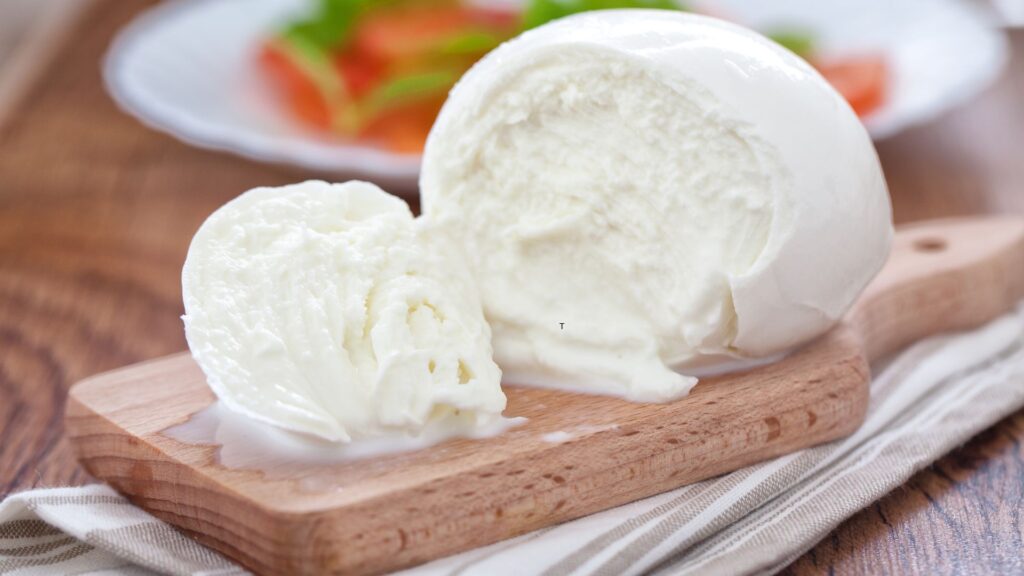
Part-skim mozzarella remains the go-to choice for anyone cutting back on fat without sacrificing traditional pizza flavor. It still offers that familiar mild taste and a good melt, making it one of the easiest substitutes. You can usually find it in shredded form or as a fresh ball.
Compared to whole milk mozzarella, the part-skim version cuts fat content by about a third while maintaining solid stretch. It browns well in the oven and pairs easily with all kinds of toppings. It’s especially ideal for homemade pizzas where you’re controlling the baking time and temperature.
Ricotta: Creamy Without the Grease
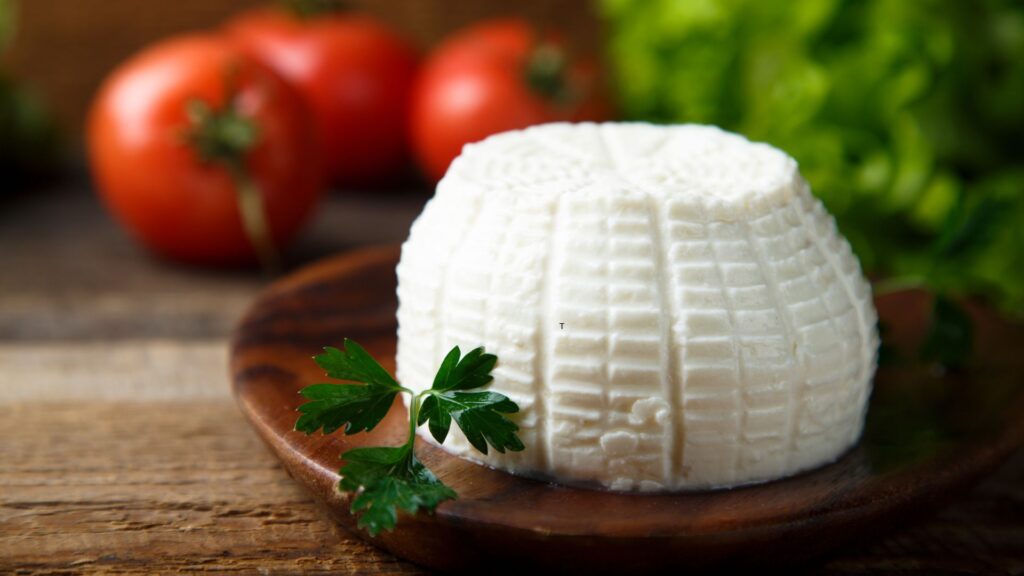
Ricotta adds a smooth texture to pizza that contrasts well with crisp crust and hearty toppings. It’s not a typical base cheese, but works great in dollops, especially on white pizzas or veggie-forward pies. Opting for low-fat or light ricotta can cut calories while still delivering richness.
It won’t melt the same way as mozzarella, but that’s not a bad thing. Ricotta holds its shape during baking, creating creamy pockets on the surface. You can mix it with herbs, garlic, or a sprinkle of Parmesan to boost flavor before applying it to the crust.
When to Use Ricotta
- White pizzas with spinach, mushrooms, or roasted garlic
- Pair with fresh tomatoes and basil for a light, summer-style pie
- Use as a top-layer cheese rather than a full base
Provolone (Reduced-Fat): Sharp and Satisfying

Reduced-fat provolone offers a sharper flavor than mozzarella with a decent melt factor. It’s firmer by nature, so even the low-fat versions keep a consistent texture under high heat. This cheese works well when you want a little more bite without adding heavy oil content.
It doesn’t stretch quite as much, but it layers smoothly over sauce and browns nicely. Many pizza shops use a provolone-mozzarella mix to balance flavor and melt. Doing this at home with part-skim versions of both is a solid option when you’re aiming for a familiar pizza shop taste.
Goat Cheese: Tangy and Lower in Fat Naturally
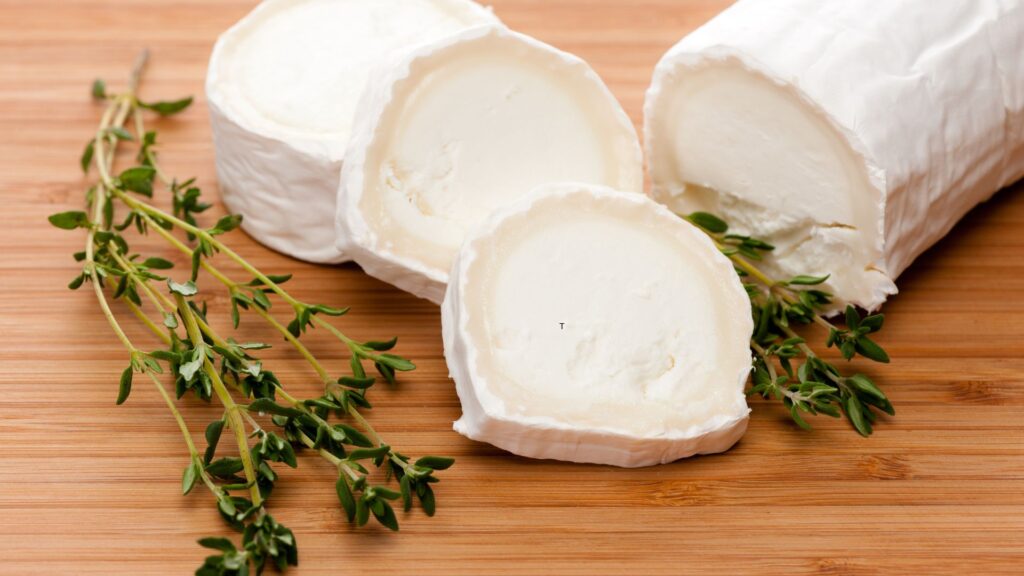
Goat cheese isn’t typically labeled low-fat, but it has fewer calories and less fat per ounce than many standard pizza cheeses. It also delivers bold, tangy flavor in small amounts, so you can use less and still get a satisfying punch. It doesn’t melt into strings, but it softens beautifully in the oven.
This cheese works best in crumbles or small spoonfuls spread across the pizza. The texture becomes warm and creamy, especially when baked with vegetables like red peppers or caramelized onions. It adds depth to each bite and balances well with sweet or earthy flavors.
Best Pairings for Goat Cheese
- Spinach and artichoke
- Roasted squash or beets
- Chicken and caramelized onions
Parmesan (Grated): Intense Flavor Without the Bulk

While Parmesan doesn’t function as a base cheese, it’s one of the best ways to add flavor without loading on fat. A tablespoon or two of grated Parmesan over the top of your pizza adds a salty, nutty finish. You can also mix it into other cheeses for a stronger flavor profile.
Go for freshly grated varieties when possible, as pre-packaged versions often contain fillers and don’t melt as cleanly. When using low-fat mozzarella or ricotta, a sprinkle of Parmesan ties everything together and boosts flavor with minimal effort.
Tips for Getting the Best Melt with Low-Fat Cheeses
Low-fat cheeses behave differently under heat. Some melt faster, others take longer or require a higher temperature. Understanding how each reacts in the oven helps avoid dry, rubbery results.
Improve Texture and Flavor with These Simple Tweaks
- Use parchment paper to retain moisture on thinner crusts
- Add a light drizzle of olive oil over the cheese to improve browning
- Try a mix of two low-fat cheeses for better melt and mouthfeel
- Grate cheese fresh whenever possible to avoid added anti-caking agents
Experimentation helps. Start with a small pizza and adjust your combinations until you find what works best for your taste and oven setup.
Wrapping Up
Choosing lower-fat cheese for pizza doesn’t mean settling for bland results. With smart substitutions like part-skim mozzarella, low-fat ricotta, and naturally lighter cheeses such as goat cheese, you can build a flavorful pizza that fits your goals.
Keep experimenting, adjust your bake times, and you’ll find a version of pizza that satisfies both your cravings and your nutrition plan.