
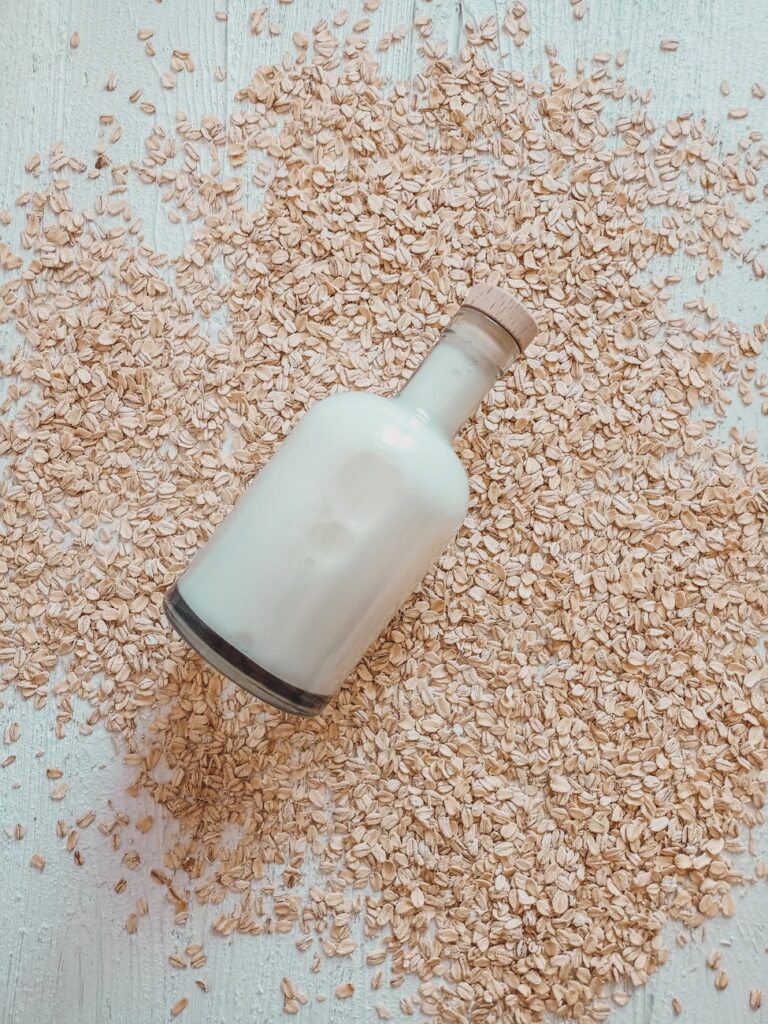
Oat milk is a plant-based beverage made by blending oats with water, then straining the mixture to remove excess fiber. It’s creamy, easy to digest, and widely used as a dairy alternative. When tailored for weight loss, oat milk can be light, filling, and useful in smoothies, coffee, or as a base for other low-calorie recipes.
This article shares a straightforward, low-calorie oat milk recipe using only a few ingredients. You’ll also learn how to adjust the texture and sweetness without adding unnecessary calories, plus tips for storing and using your homemade batch efficiently.
Table of Contents
ToggleWhy Oat Milk Can Support Weight Loss Goals
Oat milk made at home can be a lighter option than store-bought versions. Many commercial brands add oils and sweeteners to improve taste or shelf life, which increases calories per cup. When you prepare it yourself, you control every ingredient and keep the calorie count in check.
Oats contain soluble fiber, which supports digestion and helps you feel full longer. This can help reduce cravings and make it easier to manage portions throughout the day. Drinking low-calorie oat milk with a snack or meal may improve satiety without adding much to your daily intake.
Ingredients and Tools You’ll Need
This recipe focuses on simple ingredients to create a clean, light oat milk. You don’t need preservatives, gums, or sweeteners to make it satisfying.
Ingredients:
- 1/2 cup rolled oats
- 4 cups cold water
- 1/2 teaspoon vanilla extract (optional)
- Pinch of salt (optional)
Tools:
- Blender
- Nut milk bag, fine mesh strainer, or thin dish towel
- Large bowl or pitcher
- Glass bottle or jar for storage
Use rolled oats rather than steel-cut or instant oats. Rolled oats blend smoothly and don’t carry the extra processing or fiber density that makes other forms harder to strain.
Step-by-Step Instructions
The method is fast, and cleanup is minimal. To reduce starch and avoid a slimy texture, stick to a quick blend and use cold water.
- Add oats and water to the blender: Place the oats and cold water into the blender. Blend on high speed for 30 to 45 seconds. Avoid blending longer, as this can create too much starch and thicken the texture.
- Strain the milk: Pour the mixture through a nut milk bag or fine mesh strainer into a bowl. Let the liquid drain naturally, then gently squeeze out the remaining liquid. Avoid pressing too hard, which can push oat particles through and make the milk gritty.
- Flavor if desired: Add vanilla or a pinch of salt if you want extra taste without sugar. Stir gently and transfer the milk into a clean glass jar or bottle.
Keep the milk refrigerated and shake well before each use. This recipe makes about four cups of oat milk at roughly 40–50 calories per cup, depending on how much oat pulp you extract.
Tips to Reduce Calories Without Losing Taste
Keeping your oat milk light doesn’t mean it has to taste bland. A few small adjustments can help improve flavor and texture without adding sugar or fat.
Use More Water Per Oat
This recipe uses a 1:8 ratio of oats to water, which creates a thinner consistency but still holds enough flavor for most uses. You can adjust to 1:7 or 1:6 if you want slightly thicker milk for smoothies while staying under 60 calories per cup.
Avoid Sweeteners
Skip syrups, dates, or sugar if you’re using this for weight loss. Vanilla extract, cinnamon, or even a few drops of lemon juice can enhance flavor without changing the calorie count significantly.
Don’t Overblend
Blending for too long breaks down the oats more than needed and pulls extra starch into the liquid. This can make the milk thick and calorie-dense. A short blend keeps it smooth, light, and easier to strain.
Storage and Shelf Life
Homemade oat milk lasts 4 to 5 days in the refrigerator. Keep it in a sealed bottle or jar and shake well before each use. Natural separation occurs, especially in low-fat versions.
You can freeze oat milk in ice cube trays if you won’t use it within a few days. Frozen cubes work well in smoothies or oatmeal, but may change texture when thawed for drinking. Stir well or blend again before using.
How to Use This Low-Calorie Oat Milk
This recipe works well as a daily alternative in a wide range of foods and drinks.
- Smoothies: Use it as a liquid base to keep smoothies creamy but light.
- Coffee or Tea: Add it to hot drinks for a splash of creaminess without the sugar.
- Oatmeal: Pour it over cooked oats to increase volume without extra fat.
- Protein Shakes: Combine with plant-based protein powder for a post-workout drink.
It’s also a solid choice for baking or pancake batter if you want to reduce calories without switching the texture or moisture content of the recipe.
What To Do With the Oat Pulp
After straining, you’ll be left with oat pulp. It’s mild in flavor and can be used in small amounts to avoid waste.
- Add to baked goods like muffins or cookies
- Mix into overnight oats or yogurt
- Stir into smoothies for extra fiber
- Combine with flaxseed and peanut butter for snack balls
If you don’t plan to use it right away, freeze the pulp in small portions for later.
Wrapping Up
This low-calorie oat milk recipe offers a clean, simple way to enjoy a creamy plant-based drink without adding unnecessary calories. With basic ingredients and a fast method, you can prepare a batch at home in under 10 minutes.
Whether you’re managing weight, cutting dairy, or looking for a lighter alternative to standard plant milks, this version gives you flexibility and control. Once you try it, you may find it becomes a regular part of your daily routine.
