

Chitterlings, often called chitlins, are the small intestines of pigs, cleaned thoroughly and then cooked in a variety of ways. Common in Southern U.S. cuisine, they also have roots in African, Caribbean, and European food traditions. If you’re unfamiliar with them, you might find the idea surprising, but for many, chitterlings are a comfort food with cultural importance.
In this article, you’ll learn exactly what chitterlings are, how they’re traditionally prepared, their history, cultural significance, and nutritional profile. Whether you’re curious about soul food or exploring traditional recipes, this article gives you a clear overview of what to expect when encountering chitterlings.
Chitterlings: What They Are
Chitterlings are pig intestines prepared for human consumption. They are often stewed, boiled, or fried and usually served with vinegar, hot sauce, or onions for extra flavor. Their texture is chewy, and their flavor is mild when cleaned and cooked properly.
They’re usually sold frozen or pre-cleaned. Home cooks often spend hours soaking, cleaning, and boiling them before they’re ready to eat.
While they may seem unusual, chitterlings are a part of many global food traditions:
- In France, they are used in dishes like andouillette sausage.
- In the Caribbean, they may be spiced and stewed with vegetables.
- In China, they’re often stir-fried or served in hot pots.
Cultural Origins And Traditions
Chitterlings became a staple in African American cuisine during the slavery period in the U.S. Enslaved Africans were given the less desirable cuts of meat, including intestines, and learned to prepare them into edible, flavorful meals. Over time, chitlins became a symbol of resourcefulness and cultural identity.
Many African American families continue to prepare them during holidays and gatherings. They are especially popular at Thanksgiving and Christmas dinners in the South. Despite their humble beginnings, chitterlings now hold a place of pride at many tables.
Beyond the U.S., chitterlings play a similar role in cultures that emphasize nose-to-tail eating:
- British haggis contains sheep intestines and other offal.
- Mexican tripas tacos often feature beef or pork intestines.
- Filipino cuisine includes dishes like isaw, grilled pig or chicken intestines.
How Chitterlings Are Prepared
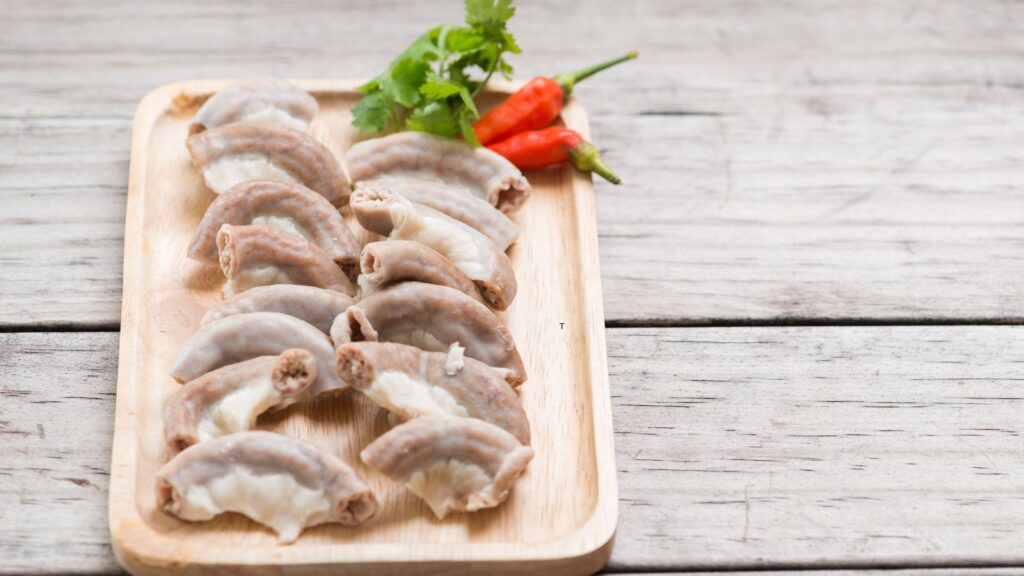
Preparing chitterlings takes time, attention, and careful cleaning. This is not a quick dish. The cleaning process is essential because raw intestines can contain harmful bacteria. Most cooks clean them multiple times before they’re ready to cook.
Common Cooking Methods
Once cleaned, chitterlings can be prepared in several ways:
- Boiled or stewed: Often simmered with onions, garlic, vinegar, and spices for hours until tender.
- Fried: After boiling, some fry them until crisp.
- Baked: A less common method, but used in some home recipes.
Traditional Ingredients Used
- White vinegar
- Onions and garlic
- Bay leaves
- Red pepper flakes
- Celery and bell pepper (optional)
The dish often releases a strong odor during cooking, which is part of why it’s usually made during special occasions rather than everyday meals.
Health And Nutrition Facts
Chitterlings are high in protein and fat. Because they’re organ meat, they also contain essential nutrients like vitamin B12, zinc, and iron. That said, they can be high in cholesterol and should be eaten in moderation.
Here’s a simple overview of their nutritional profile per 3.5 ounces (100 grams):
- Calories: ~230
- Protein: 14g
- Fat: 20g
- Cholesterol: ~230mg
If you’re preparing chitterlings, it’s important to handle them safely. Clean them thoroughly and cook them at the right temperature to kill any bacteria.
Chitterlings In Soul Food And Modern Cuisine
In Southern cuisine, chitterlings are part of a broader tradition known as soul food. This style of cooking uses ingredients passed down through generations, often rooted in struggle and resilience. While some see them as old-fashioned, others consider them essential.
Chitterlings often appear with:
- Collard greens
- Cornbread
- Hot sauce
- Black-eyed peas
Today, some chefs are reintroducing chitterlings with modern twists. They appear in food festivals, pop-up dinners, and cookbooks focused on preserving culinary heritage.
- Also Read: What is Moroccan Mint Tea?
Buying And Storing Chitterlings
You can buy chitterlings at some grocery stores, usually frozen in five or ten-pound buckets. They are often labeled as “pre-cleaned,” but most people still wash them thoroughly at home.
When buying:
- Check for reputable brands
- Avoid packages with foul smells
- Choose frozen over canned for better flavor
For storage:
- Keep them frozen until you’re ready to clean
- Store cooked chitterlings in the fridge for 3–4 days
- Reheat thoroughly before serving
Chitterlings don’t store well for long periods once cooked, so plan to eat leftovers quickly.
Should You Try Chitterlings?
Trying chitterlings is a personal decision. Some people grow up eating them and love them. Others may not be used to the idea of eating intestines. But like many traditional foods, their value goes beyond taste.
They reflect a culture of survival and creativity. If you’re open to trying foods that carry meaning and history, chitterlings are worth considering. You may be surprised by how much you appreciate their flavor and texture when cooked well.
Bottom Line
Chitterlings are a dish with deep roots in both American and global culinary traditions. They may not be for everyone, but they hold an important place in many cultures, especially among African American families.
Preparing and eating chitterlings is about more than just food; it’s about honoring heritage. Whether you’re cooking them yourself or tasting them for the first time, you’re taking part in a long-standing tradition.
