
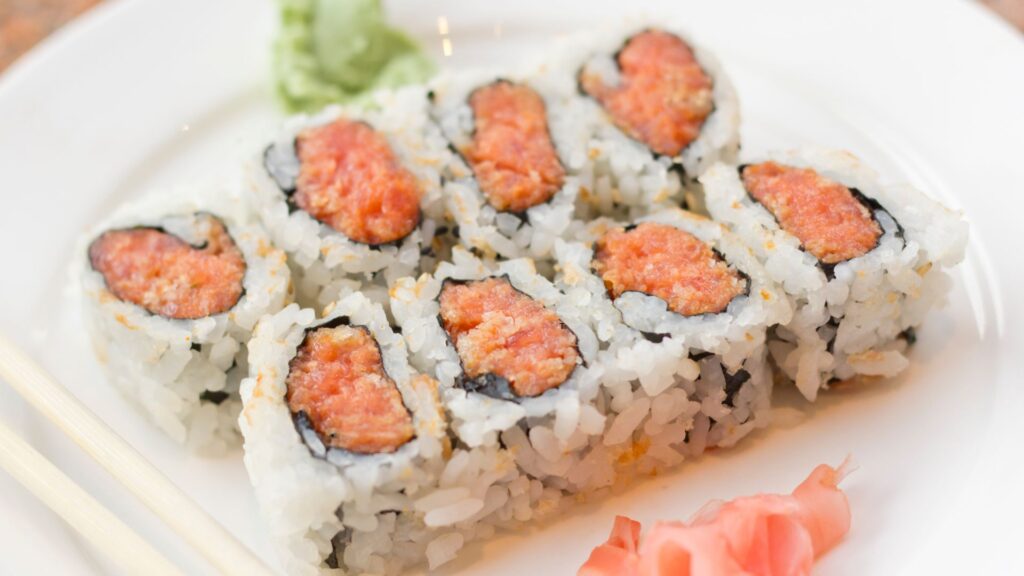
Sushi offers a satisfying balance of taste and texture: fresh fish, vinegared rice, seaweed, and toppings that feel indulgent yet simple. But if you’re not careful, those neatly rolled pieces can quietly add up in calories and refined carbs.
This article shows you how to enjoy sushi while keeping your health goals in check. You’ll learn about smarter roll choices, portion strategies, and what ingredients to limit or skip. Let’s get into it.
Table of Contents
ToggleChoose Sashimi or Nigiri Instead of Rolls
Sashimi and nigiri often have fewer calories than rolls because they skip sauces and heavy fillings. A few pieces of sashimi (raw fish without rice) or nigiri (fish over a small rice ball) let you enjoy clean protein with fewer extras.
The Difference in Calories
- Sashimi: This is usually just fresh fish: salmon, tuna, or yellowtail. No rice means fewer carbs.
- Nigiri: Adds a small amount of rice, which gives some energy without going overboard.
- Rolls: Typically contain 3–5 ingredients, sauces, and sometimes fried fillings, which increase the calorie count fast.
If you’re looking to keep things lighter, start with sashimi and add one or two nigiri pieces.
Pick Brown Rice or Skip It Altogether
Traditional sushi rice is white and mixed with sugar and vinegar, which adds unexpected calories. Asking for brown rice is a small shift that brings a big return.
Brown rice gives fiber and takes longer to digest, helping you feel full without needing to eat a lot. Some restaurants may allow you to request rolls with no rice, wrapping fish and vegetables in seaweed or cucumber instead.
Why Rice Swaps Matter
- White sushi rice (1 roll): ~240 calories from rice alone.
- Brown rice: Adds fiber, reduces insulin spikes.
- No rice: Cuts a major source of carbs, still lets you enjoy flavor.
Go Easy on Sauces and Fried Fillings
The beauty of sushi lies in fresh ingredients, but sauces like spicy mayo, eel sauce, and tempura crunch can quickly raise fat and sugar content.
If a roll looks shiny or glossy, it likely includes added sauces. Choosing plainer options or requesting sauces on the side lets you control how much you eat.
Ingredients to Watch
- Tempura (fried): Adds oil and calories—one shrimp tempura roll can top 500 calories.
- Spicy mayo: May add 100+ calories per tablespoon.
- Cream cheese: Found in many American-style rolls, contributes saturated fat.
Stick to fresh ingredients like cucumber, avocado, or fish for cleaner flavor and fewer empty calories.
Balance Your Meal with Side Dishes
Sushi menus usually offer soups, salads, and small appetizers. These can help you feel full while eating fewer sushi rolls overall.
Start with a miso soup or seaweed salad. These low-calorie starters add volume and help you slow down and enjoy your food.
Good Low-Calorie Side Choices
- Miso soup: Around 40 calories, gives warmth and helps control appetite.
- Edamame: High in protein and fiber, a great snack between bites.
- Seaweed salad: Provides minerals and fiber, enhances digestion.
Mind Your Portions and Pace
Sushi comes in small pieces, which can make it easy to eat quickly and order more than you need. Slowing down gives your body time to recognize fullness.
A typical sushi roll has 6–8 pieces. Ordering two to three rolls is often enough for a full meal. Going beyond that can turn a light dinner into a high-calorie one.
Tips to Eat Mindfully
- Pause between rolls: Enjoy the flavors, let hunger cues catch up.
- Sip green tea: A zero-calorie drink that adds flavor and antioxidants.
- Eat with chopsticks: It slows down the pace and encourages smaller bites.
Know Which Sushi Rolls to Avoid
Some rolls pack hidden calories due to ingredients you might not expect. Rolls labeled “crispy,” “crunchy,” or “dragon” often contain fried or sauced components.
Stick with simpler names or ask your server about what’s inside. Learning to recognize what adds extra fat or sugar helps you make better choices.
High-Calorie Rolls to Limit
- Dragon Roll: Usually contains eel, avocado, and multiple sauces.
- Tempura Rolls: Anything fried adds dense calories and fats.
- Philadelphia Roll: Cream cheese plus salmon increases fat significantly.
If you’re unsure, go for tuna rolls, cucumber rolls, or avocado rolls for leaner options.
Eat Sushi as Part of a Balanced Week
Enjoying sushi without gaining weight also means thinking about what else you eat during the week. If you plan ahead and balance sushi nights with lighter meals, it fits easily into your routine.
Avoid making sushi your go-to every night. Think of it as a treat and balance it with high-protein, low-carb meals on other days.
Long-Term Tips
- Alternate meal types: Mix in grilled protein dishes or salads throughout the week.
- Plan sushi nights: Make them part of your overall eating plan, not the default.
- Stay active: Exercise helps your body manage larger meals.
Wrapping Up
Sushi doesn’t have to derail your health goals. With smarter choices like sashimi, brown rice, fewer sauces, and mindful portions, you can enjoy your favorite rolls while keeping your weight in check.
It’s not about skipping what you love; it’s about enjoying it in a smarter way.