
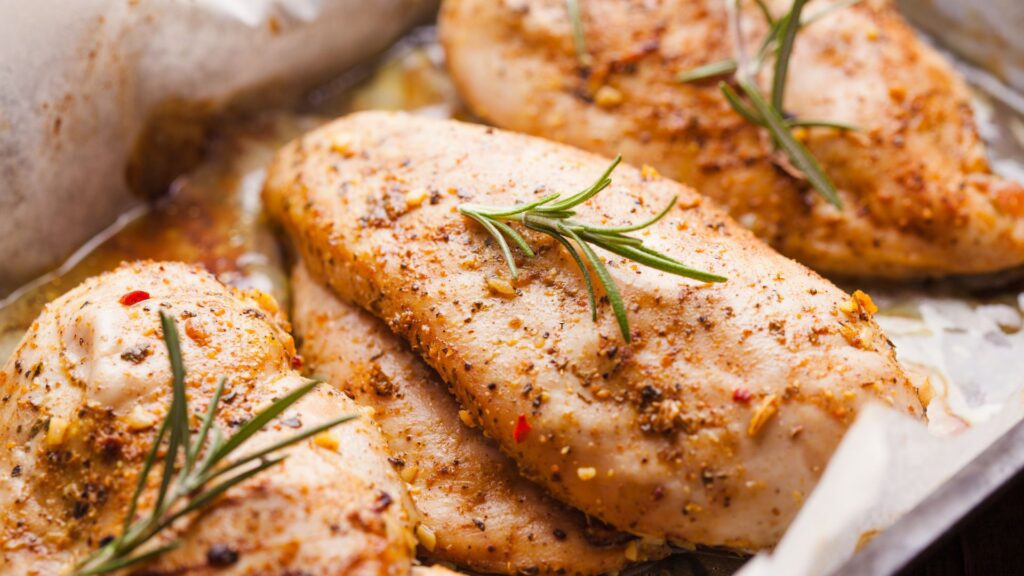
Baking chicken breasts is one of the simplest and most effective ways to prepare a lean source of protein. When done right, the result is a juicy, flavorful meal that’s easy to pair with vegetables, grains, or a fresh salad.
In this guide, you’ll learn the best techniques, tips, and variations to ensure that your baked chicken breasts are never dry or bland.
Table of Contents
ToggleChoosing the Right Chicken Breast
Start with quality. Boneless, skinless chicken breasts are the most commonly used type for baking, and they vary in size and thickness.
Thicker pieces will take longer to cook, so aim for uniformity when prepping to ensure even baking. If your pieces are uneven, consider flattening them slightly using a meat mallet.
Fresh or Frozen?
Fresh chicken will generally produce a better texture, but frozen breasts can work just as well if thawed properly. Allow them to defrost overnight in the fridge, not on the counter, to avoid bacterial growth.
Pat dry before seasoning to help flavors stick and reduce steam during baking.
Preparing the Chicken
How you season your chicken makes all the difference. A basic mix of salt, pepper, garlic powder, and olive oil works well, but you can get creative with spices like paprika, thyme, or lemon zest.
Should You Marinate?
Marinating can add flavor and moisture, especially if you’re using lean cuts. Aim for at least 30 minutes in the fridge if you have time. A simple marinade of olive oil, lemon juice, and herbs can penetrate the surface and help the meat stay juicy while it bakes.
Baking Time and Temperature
The most consistent way to bake chicken breasts is at 400°F (200°C) for 20 to 25 minutes. This higher temperature allows the outside to brown slightly without drying out the inside. Use a meat thermometer to check for doneness: the internal temperature should reach 165°F (74°C).
Use a Meat Thermometer
Don’t rely solely on time. Chicken breasts vary, and a thermometer is the best tool to ensure they’re safe to eat without overcooking. Insert it into the thickest part for the most accurate reading.
Tips for Juicy Results
It’s easy to overcook chicken breasts, but a few small steps can help keep them moist. Don’t skip the resting period; let the meat sit for 5 to 10 minutes after baking. This allows the juices to redistribute, so they don’t spill out when sliced.
Cover With Foil (Optional)
If your chicken starts to brown too fast, loosely tenting with foil can prevent drying. This is especially helpful for larger pieces that require longer cooking times.
Flavor Variations and Serving Ideas
Baked chicken breasts can take on a wide range of flavor profiles. You can use dry rubs, sauces, or even stuff them with cheese and spinach for added richness. The key is balancing seasoning without overpowering the natural taste of the meat.
Mediterranean Style
Use olive oil, garlic, oregano, and a squeeze of lemon juice. Serve with couscous and roasted vegetables.
Spicy BBQ
Coat with your favorite barbecue sauce before baking. Pair with baked sweet potatoes or coleslaw for a comforting meal.
Storing and Reheating Leftovers
Store cooked chicken breasts in an airtight container in the refrigerator for up to four days. To reheat, slice the chicken and warm gently in a skillet with a bit of broth or water to restore moisture.
Can You Freeze Baked Chicken?
Yes. Once cooled, wrap the chicken tightly and freeze for up to three months. Thaw overnight in the fridge and reheat using the oven or stovetop for the best texture.
Wrapping Up
Baking chicken breasts is easy with the right prep, temperature, and timing. Stick with these simple techniques and feel free to explore different flavors to keep your meals interesting. Baked chicken breasts can last up to four days in an airtight container.