
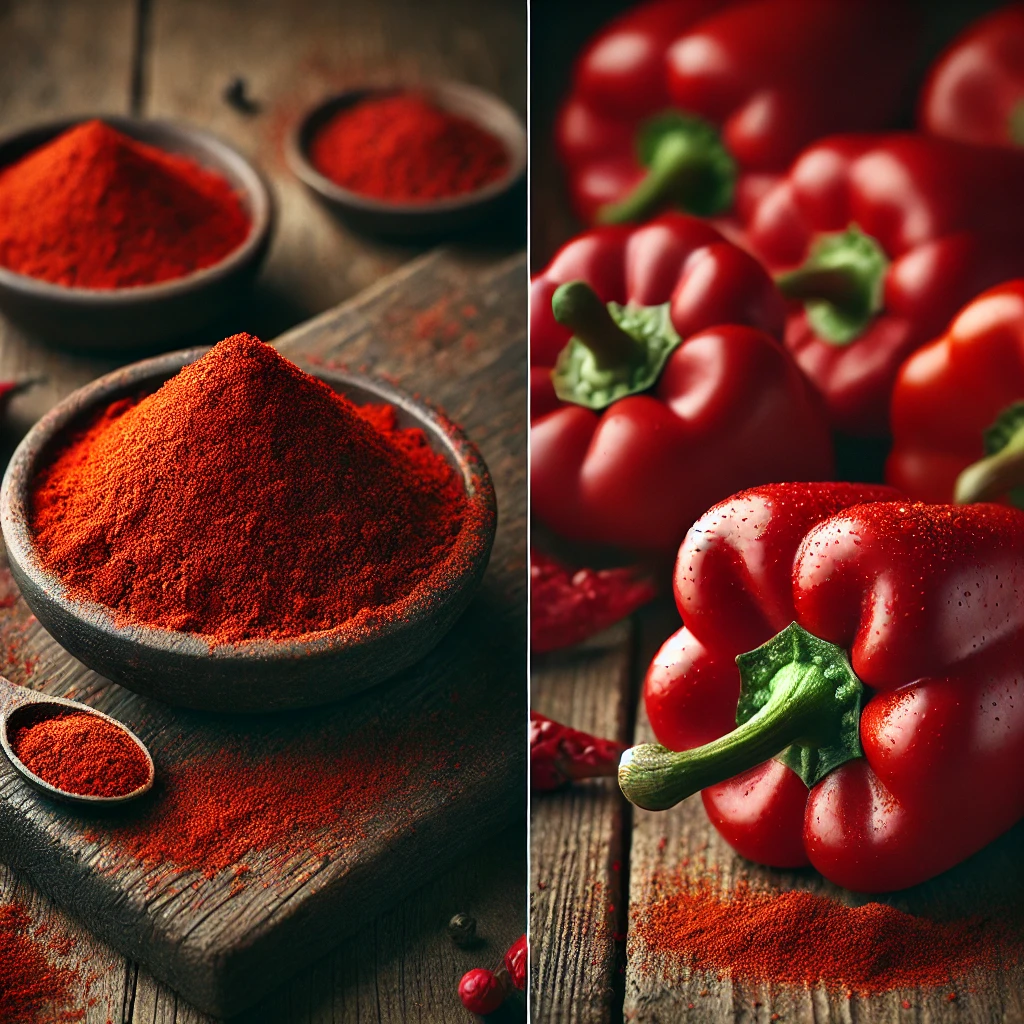
Paprika, a spice commonly used to color dishes, boasts impressive health benefits.
It’s rich in vitamins A and E, as well as carotenoids like beta-carotene, which contribute to its bright red color and antioxidant properties.
These nutrients make paprika beneficial for skin health, eye health, and overall immune support. Here’s a detailed guide on the science-backed health benefits of paprika and side effects to note.
What is paprika?
Paprika is a spice made from ground dried peppers from the Capsicum Annuum family.
It’s a key ingredient in dishes like goulash and is often used to season meats, soups, and stews, as well as to garnish foods like deviled eggs or hummus.
There are three basic types of paprika, including:
- Sweet paprika: This is often used as a garnish and in dishes where a subtle sweetness is desired. It is bright red and has a mild flavor.
- Hot paprika: Contains more capsaicin, the compound responsible for the heat in peppers, giving it a spicier profile.
- Smoked paprika: This type is made from peppers that have been smoked before being ground, imparting a distinct smoky flavor.
Paprika nutritional facts
Here is the nutritional profile of paprika per tablespoon (6.8 grams), based on data from the USDA:
- Calories: 19 kcal
- Protein: 0.99 g
- Total Fat: 0.88 g
- Saturated Fat: 0.131 g
- Monounsaturated Fat: 0.583 g
- Polyunsaturated Fat: 0.119 g
- Total Carbohydrates: 3.67 g
- Dietary Fiber: 2.37 g
- Sugars: 0.7 g
- Vitamin A: 3350 IU
- Vitamin C: 0.061mg
- Vitamin E (Alpha-Tocopherol): 1.98 mg
- Vitamin B6: 0.146 mg
- Iron: 1.44 mg
- Magnesium: 12.1 mg
Health benefits of paprika
1. Rich in antioxidants
Paprika is loaded with antioxidants, particularly beta-carotene, zeaxanthin, and lutein, which are crucial for combating oxidative stress in the body.
These compounds help neutralize free radicals, reducing the risk of chronic diseases such as cancer and heart disease.
Moreover, the anti-inflammatory properties of capsaicin, a compound found in paprika, have been shown to help reduce inflammation throughout the body, which is beneficial for conditions like arthritis.
2. Promotes healthy skin
Paprika’s rich vitamin A content contributes to healthier skin by promoting cell regeneration and preventing acne, wrinkles, and age spots.
The spice can also be used in topical treatments; for instance, a paprika-infused face mask can help achieve an even skin tone and reduce signs of aging.
3. May help prevent cancer
Emerging research suggests that capsaicin may have cancer-fighting properties. The study above indicated that capsaicin inhibits the growth of cancer cells and even induces apoptosis (programmed cell death) in certain types of cancer, including breast, colon, and gastric cancers.
4. Boosts eye health
One of the health benefits of paprika is its ability to support eye health. This spice is packed with carotenoids, including lutein and zeaxanthin, which help protect the eyes from harmful UV rays and prevent age-related macular degeneration and cataracts.
Just one tablespoon of paprika provides about 100% of the daily recommended intake of vitamin A, necessary for maintaining good vision.
- Also read: Top 11 Foods For Optimal Heart Health
5. Blood sugar control
Paprika can be a beneficial spice for those looking to manage or prevent diabetes. Research suggests that paprika, through its capsaicin content, may play a role in managing diabetes.
Capsaicin has been found to help regulate blood sugar levels, improve insulin sensitivity and reduce the risk of developing complications associated with diabetes.
6. Supports heart health
Another health benefit of paprika relates to cardiovascular health. Paprika can help manage blood pressure, reduce LDL cholesterol, and increase HDL cholesterol. This is partly due to its vitamin B6 content which aids in repairing blood vessels and reducing hypertension.
Additionally, a 2011 study from Penn State University found that using antioxidant-rich spices like paprika in cooking can mitigate the harmful effects of high-fat meals on the heart.
7. Aids in digestion
Paprika, particularly due to its capsaicin content, can stimulate production of saliva and stomach acids, which help break down food more efficiently.
This can improve digestion and aid in the absorption of nutrients, making paprika a useful spice for enhancing overall digestive health.
Potential side effects

While paprika is generally safe and offers numerous health benefits, some individuals may experience allergic reactions to paprika.
Symptoms can range from skin rashes, and itching, to more severe reactions like difficulty breathing and anaphylaxis. Those with known pepper allergies should exercise caution.
Furthermore, excessive consumption of paprika, especially in individuals sensitive to spicy foods, can lead to digestive discomfort. This may include stomach pain, heartburn, and gastrointestinal irritation.
Note that paprika, especially in supplement form, may interact with blood pressure or blood clotting drugs. Consult with your healthcare provider if you’re on such medications.
How long does paprika last?
Paprika, like most spices, has a long shelf life, but can lose its potency over time. Typically, ground paprika lasts about 2 to 3 years if stored properly in a cool, dark place away from heat and light.
However, its vibrant color and distinctive flavor may start to fade sooner, usually within 6 to 12 months after opening. For optimal freshness, store paprika in an airtight container, away from moisture.
If the spice becomes dull or lacks a strong aroma, it might be time to replace it. While it won’t spoil or become unsafe to eat, its effectiveness in dishes will diminish over time.
- Also read: Shelf Life of Apple Cider Vinegar
Frequently Asked Questions
How can I use paprika in cooking?
Paprika is versatile in the kitchen. It can be used in rubs for meats, added to soups and stews for depth of flavor, sprinkled on eggs or vegetables for color and taste, or infused in oils for a subtle spicy kick.
What is the difference between sweet, hot, and smoked paprika?
Sweet paprika is mild and slightly sweet, often used for garnishing and in dishes that need color without much heat. Hot paprika has a spicier profile, common in Hungarian cuisine, while smoked paprika, or pimentón, adds a distinct smoky flavor, often used in Spanish dishes.
What are some good substitutes for paprika?
If you’re out of paprika, cayenne pepper can provide heat, while chili powder offers a similar but spicier profile. For a smoky flavor, chipotle powder is a good alternative.
Is paprika safe to consume daily?
Paprika is generally safe to consume daily when used in moderate amounts as part of a balanced diet. However, excessive consumption may lead to gastrointestinal discomfort, and individuals with allergies to peppers should be cautious.
Can paprika help in managing diabetes?
Yes, paprika can be an effective addition to a diet aimed at controlling diabetes and preventing its complications. Its capsaicin helps regulate blood sugar levels and improve insulin sensitivity.
Also read: Health Benefits of Lima Beans
Wrapping up
Paprika offers numerous health benefits, including antioxidant properties that protect against chronic diseases. It also supports cardiovascular health by managing cholesterol and blood pressure levels.
Whether sprinkling it on deviled eggs, incorporating it into stews, or using it in marinades, paprika can enhance your meals while contributing to your overall well-being.