

Coconut oil is an edible oil derived from the meat of the coconut fruit, Cocos nuciferaIts. It is renowned for its high saturated fat content, particularly medium-chain fatty acids, which have been shown to possess several health benefits.
Moreover, its anti-microbial and anti-inflammatory properties also make it a popular choice for skin and hair care. But how long is coconut oil good for?
Continue reading to learn more about its shelf life, the best storage methods, and how to make coconut oil at home.
Shelf life: How long does it last?
Under optimal storage conditions, coconut oil can last up to 18 months. However, its exact lifespan can vary based on the type of oil.
Coconut oil is primarily of two types: refined and unrefined. Unrefined coconut oil, extracted by cold pressing, can stay good for up to 3 years.
This is because the unrefined (or virgin) oil contains more antioxidants than its refined counterparts, which helps protect it from oxidation and rancidity. Refined coconut oils, haven undergone more extensive processing, have a shorter lifespan of about 18 months.
Signs of spoilage
Fresh coconut oil has a subtle, sweet coconut aroma. If your oil exudes a musty or sour odor, it’s likely gone bad. Here are other signs that your oil is no longer suitable for use:
- Discoloration: Coconut oil is colorless in liquid form and snowy white when solid. Any discoloration— such as yellowing, browning, or any other darkening suggests that the oil is past its prime.
- Lumpy appearance: Look for any signs of mold, lumps, or gritty texture. It should be smooth and uniform. If it appears chunky or grainy, it’s best to discard it.
- Bitter taste: If the oil has a bitter or otherwise off taste, it’s gone bad. Consuming spoiled oil can lead to digestive discomfort or other foodborne illnesses.
- Mold growth: Your oil can develop mold if it comes into contact with water or if the container is not sealed properly. Check for mold growth, such as spots or fuzzy growth on the surface of the oil.
Storage tips
Coconut oil is best stored in a cool, dark place away from sunlight, as excessive heat can cause it to deteriorate faster. A pantry or a cupboard is a perfect spot for your oil. Here are other tips to keep it fresh for longer:
- Use clean utensils: Use a clean, dry spoon or spatula every time you scoop it out of the container, especially if you use coconut oil for cooking and topical applications. This is to avoid contamination with food particles, which can accelerate spoilage.
- Consider refrigeration: While not necessary, refrigeration can prolong its shelf life, especially in warmer climates. It will become very hard and need to warm up slightly before use.
- Keep the lid tight: Ensure the lid of its container is tightly closed after each use. This prevents air and other contaminants from getting into the oil.
- Use smaller containers: If you purchased them in bulk, consider transferring a smaller amount into a separate container for daily use. This minimizes the exposure of the entire quantity to air each time you use it.
How to make coconut oil
Homemade oil is a healthier alternative to store-bought oils, which may contain additives or have undergone processing that strips away some healthful properties. Here’s a simple process on how to make coconut oil:
Step 1: Begin by piercing the eyes of the coconuts using a clean screwdriver. Drain the water into a container; you can drink this or use it in recipes. Then crack the coconuts open with a hammer. Pry the coconut meat from the shell with a knife or a specialized coconut tool.

Step 2: Using a hand grater or a food processor, grate the coconut meat into fine shreds or cut it into small chunks. When done, transfer the grated coconut to a blender and add two cups of warm water. Blend until the mixture is smooth and creamy.
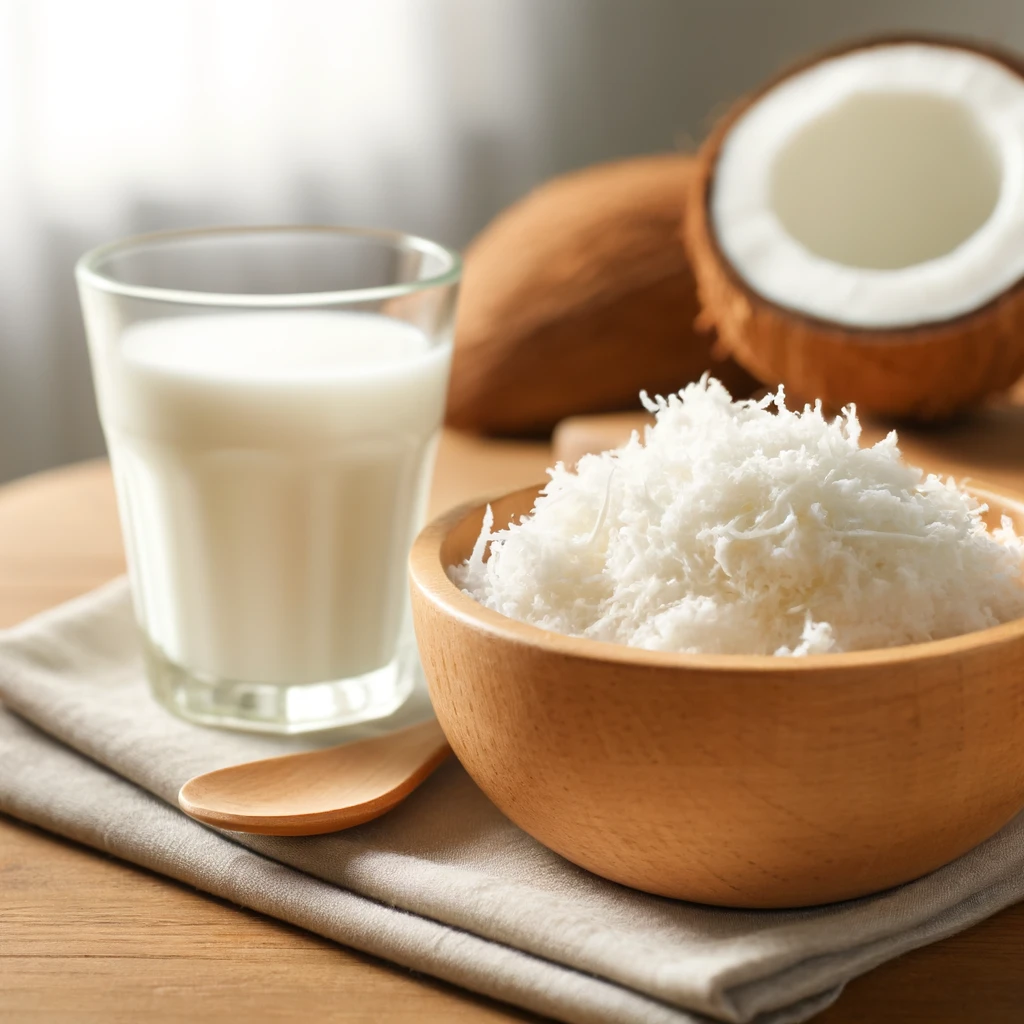
Step 3: Pour the mixture through a cheesecloth or fine strainer over a bowl. Squeeze or press the pulp to extract as much coconut milk as possible. Allow the coconut milk to sit undisturbed in a refrigerator overnight. After the resting period, you’ll notice a curd layer has formed on top. Carefully remove this layer into a saucepan without disturbing the water underneath.
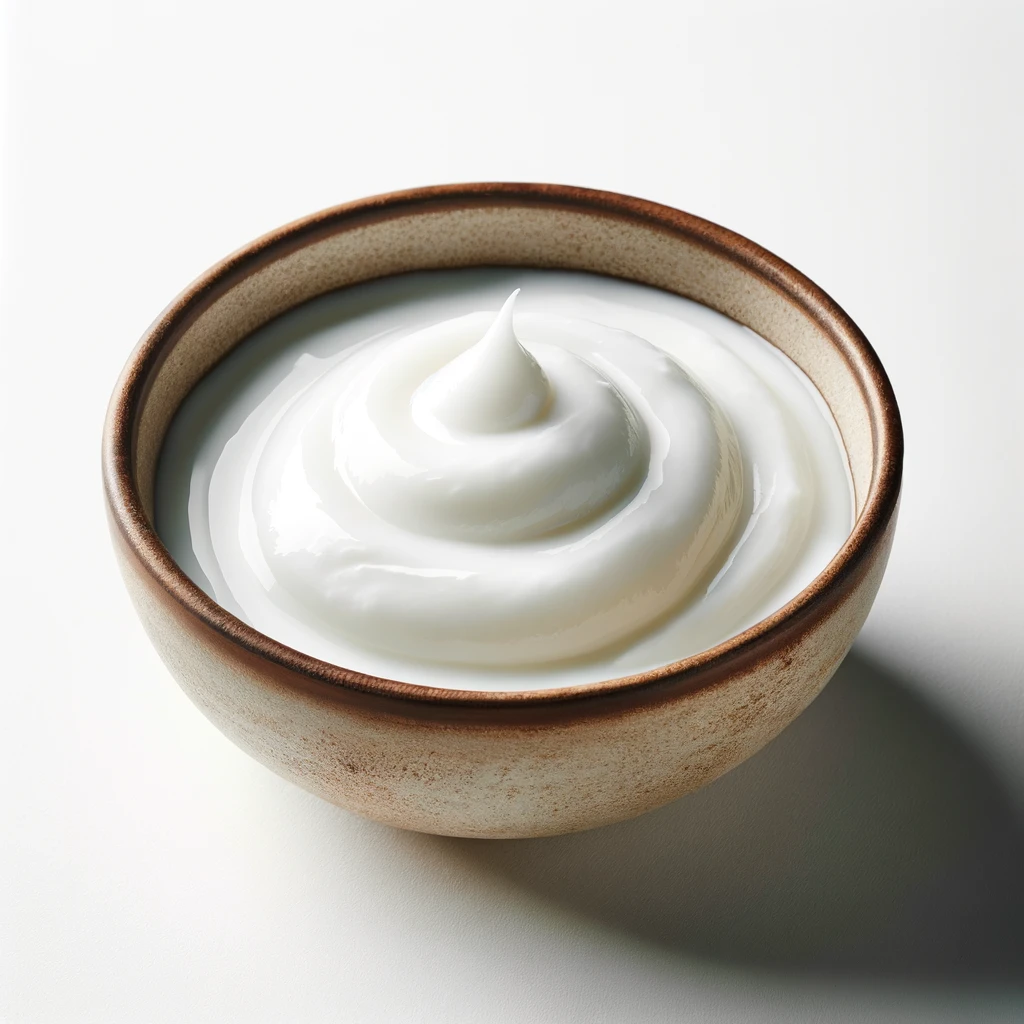
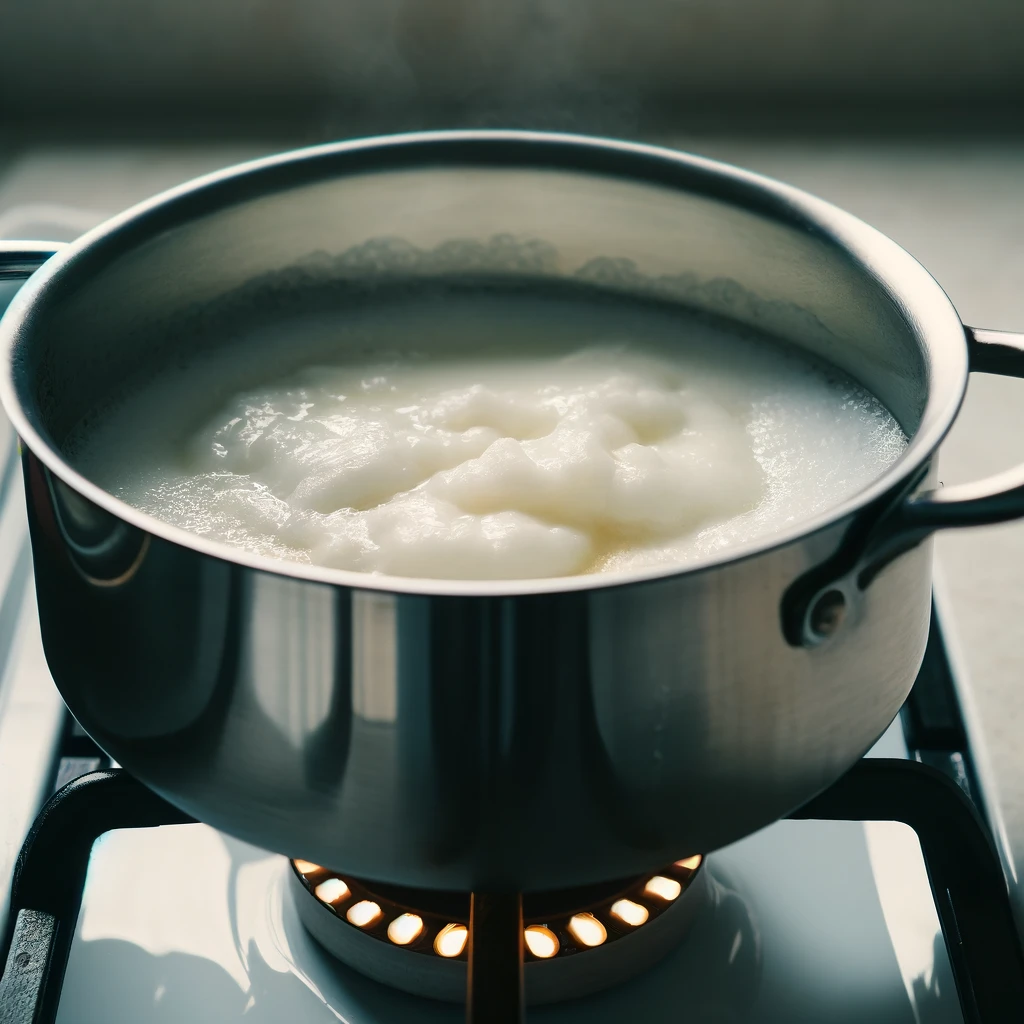
Step 4: Heat the cream over low heat, stirring continuously to prevent burning. This process can take 1-2 hours. Continue heating until all the water has evaporated and only the oil and coconut solids remain. Remove the pan from heat.
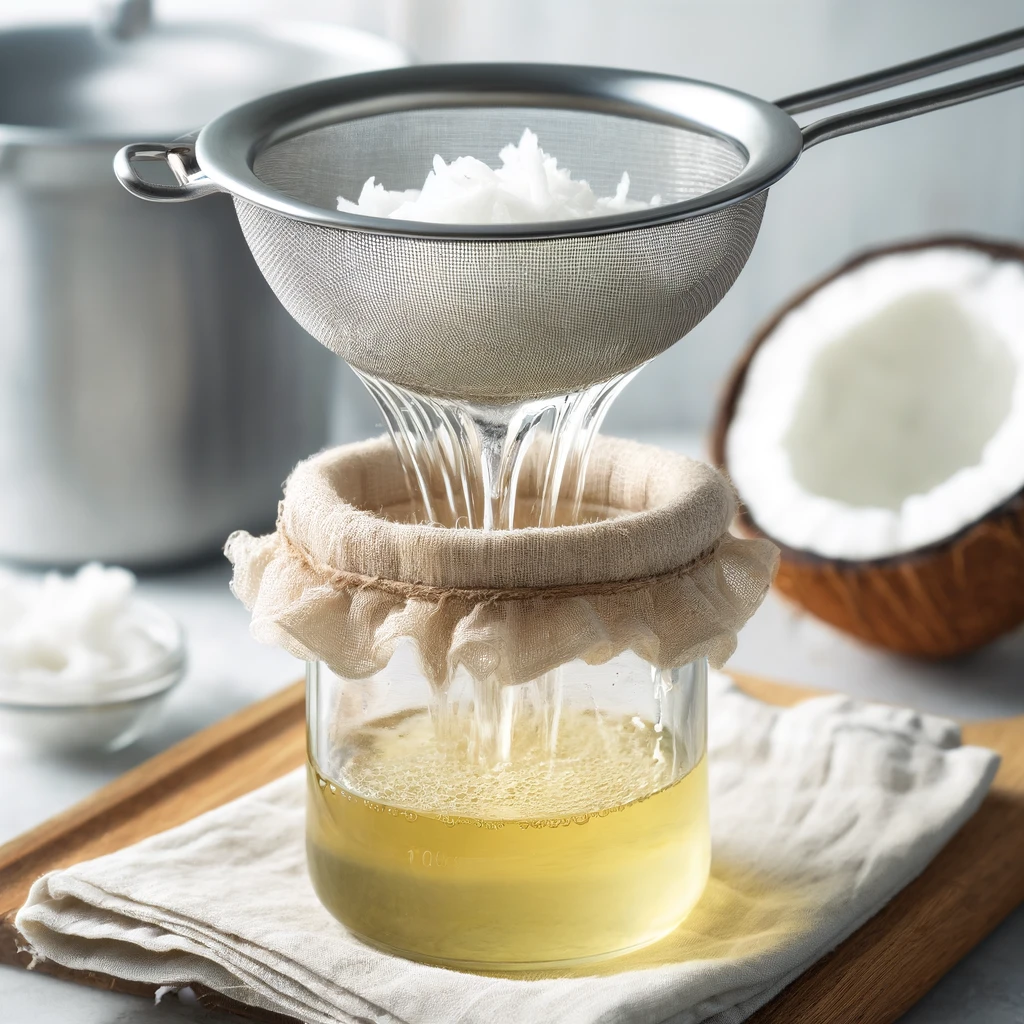
Step 5: Let the oil cool slightly, then strain it through a cheesecloth to remove the solid particles. Transfer the strained oil into an airtight container and store it in a cool, dark place.
What to do with expired coconut oil
Aside from cooking, coconut oil can serve other purposes in your home. If it’s expired but shows no signs of spoilage—no mold, rancidity, or unpleasant smell—it might still be fine for external use.
Expired coconut oil can be used as a moisturizer for dry skin or as a part of a natural makeup remover routine. Beyond personal care, coconut oil can be useful around the house for various tasks, such as lubricating hinges, polishing furniture, or as a base for homemade candles or soaps.
Frequently Asked Questions
Can you freeze it?
Yes, coconut oil can be frozen. This can help prolong its shelf life without altering its properties. It can be thawed and used as usual after freezing.
Can it clog pores?
Yes, coconut oil can clog pores. It is comedogenic, meaning it can block pores and potentially lead to blackheads or pimples. This makes it unsuitable for use on the face for people with oily skin.
Can it kill fleas?
Coconut oil has properties, like lauric acid, that can help in repelling fleas, but it does not kill them. When applied to the skin or coat of a pet, this oil may make the environment less favorable for fleas.
Final thoughts: So does coconut oil go bad?
Coconut oil is more stable than many other oils, but it can still go bad over time. Under optimal storage conditions, it can last about 18 months or more. Remember to store it in a cool, dark place, away from sunlight, and always ensure it’s properly sealed when not in use.